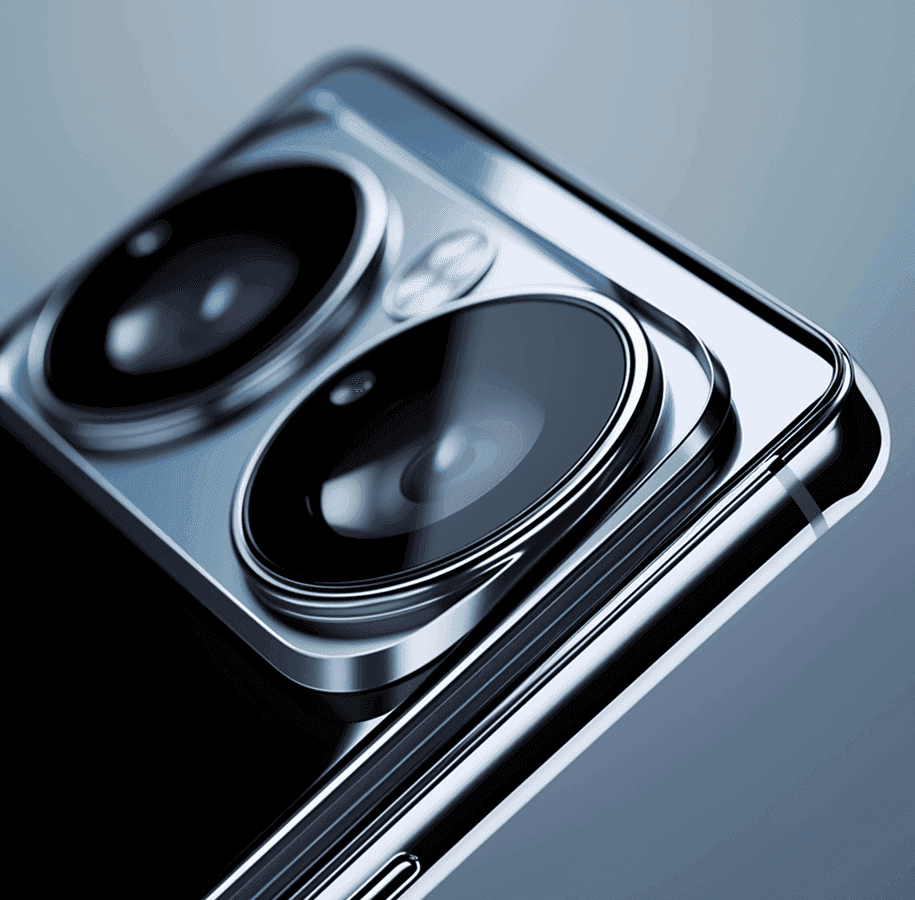
Copper in Sheet Metals
Copper offers high mechanical strength, hardness, and wear resistance, ensuring reliable performance across various demanding industrial and engineering applications.
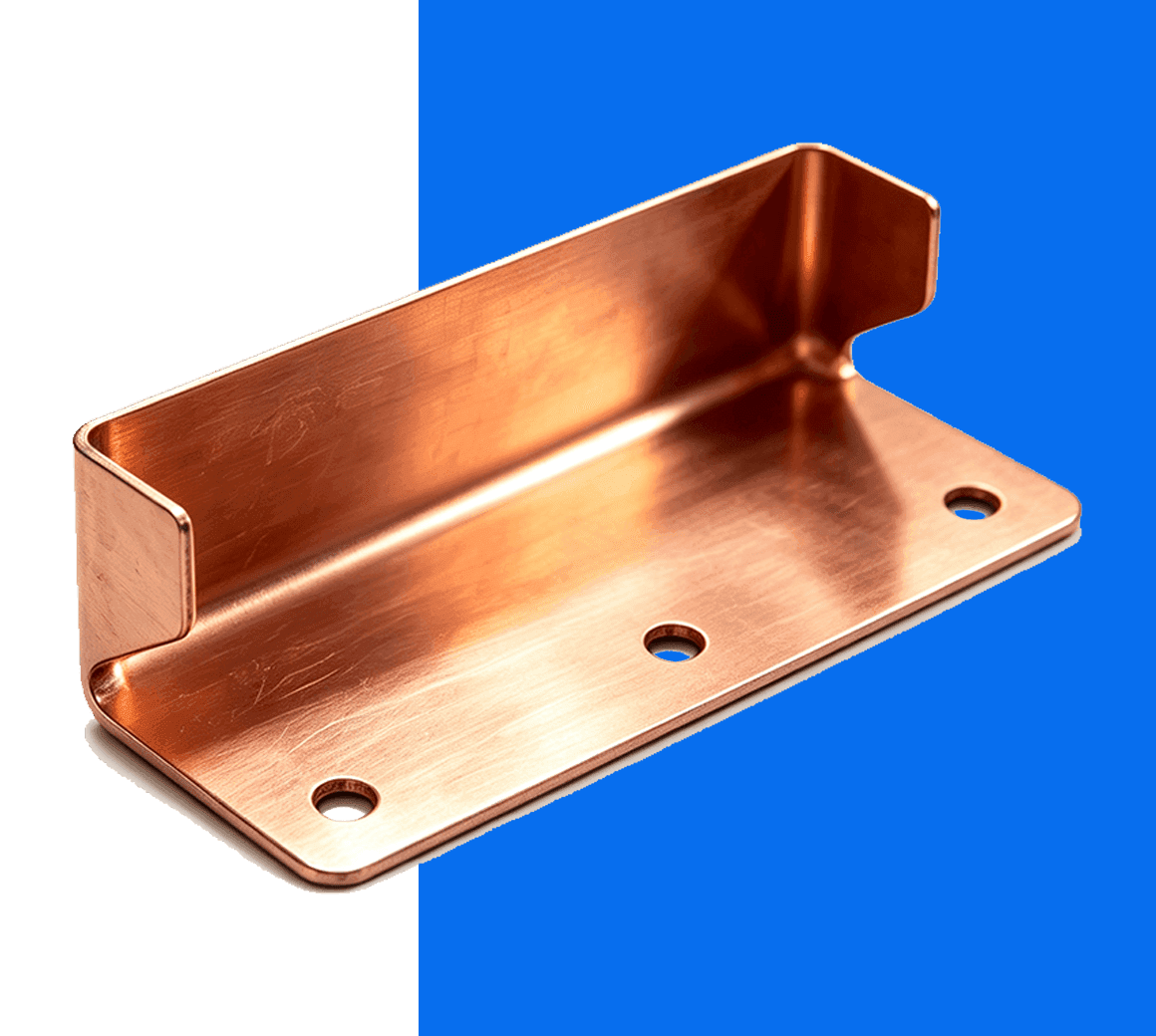
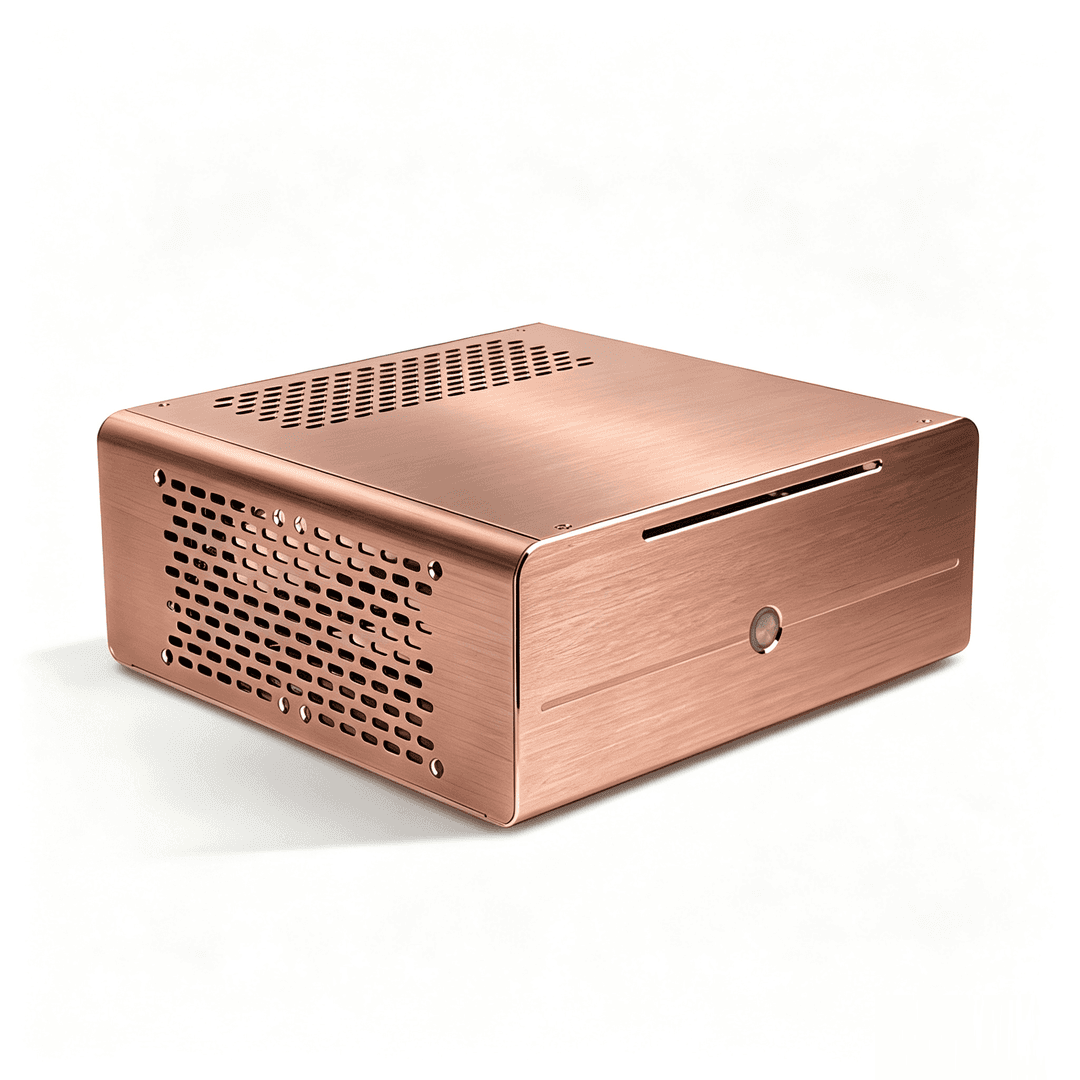
In sheet metal fabrication, copper and copper alloys are widely used in sectors such as electronics, electric power, and new energy (including energy storage and lithium batteries for electric vehicles) due to their excellent electrical and thermal conductivity, corrosion resistance, and superior ductility.
This is the most commonly used grade of copper in sheet metal fabrication, also known as oxygen-free copper. This alloy is renowned for its high electrical and thermal conductivity. It is ideal for applications that require superior conductivity and ductility.
Softer and more ductile than T2, it is ideally suited for deep drawing and complex multi-stage bending operations. It is commonly used for applications such as vacuum electronic device housings and components for high-power transmitting tubes.
This is the purest commercial copper, often used in extreme sheet metal applications such as cutting-edge semiconductors, superconducting magnet structures, and defense and aerospace.
It offers superior fusion welding and brazing properties compared to T2. Additionally, its performance in cold bending, CNC bending, and stamping is exceptionally stable, showing high resistance to cracking during continuous bending.
Copper sheet metal parts naturally offer a warm golden appearance, good surface quality, and excellent machinability. However, the right surface finish can further improve corrosion resistance, wear performance, appearance, solderability, and long-term product reliability. At Longwang, we help customers select suitable finishing options based on part function, tolerance requirements, operating environment, and visual expectations.
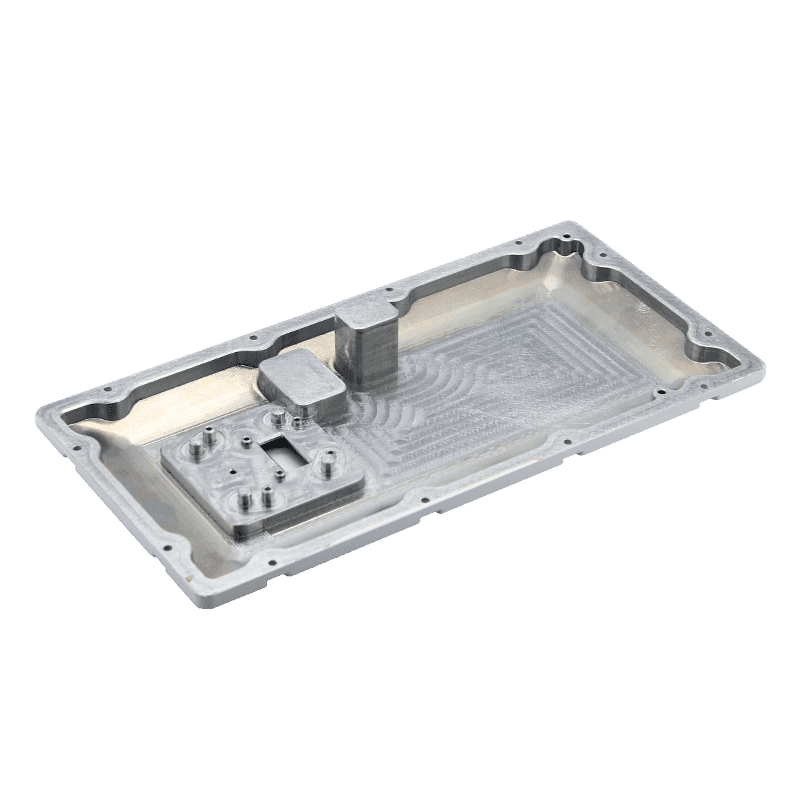
As Machined
Standard finish, surface roughness of 3.2 μm (126 μin), removes sharp edges and deburs parts cleanly.
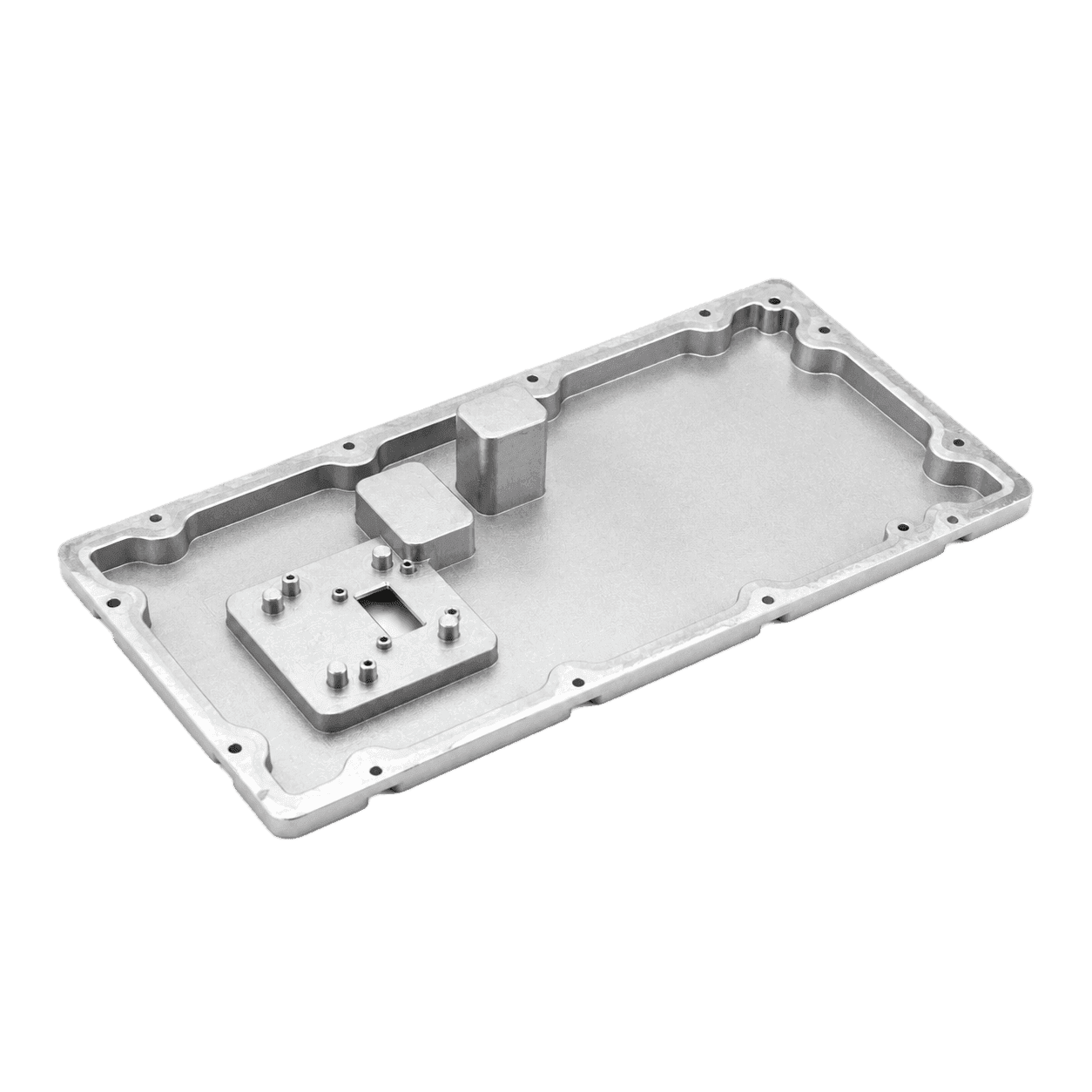
Tumbling
Utilizes barrel or vibratory processes with abrasives to smooth and polish the surface of parts.
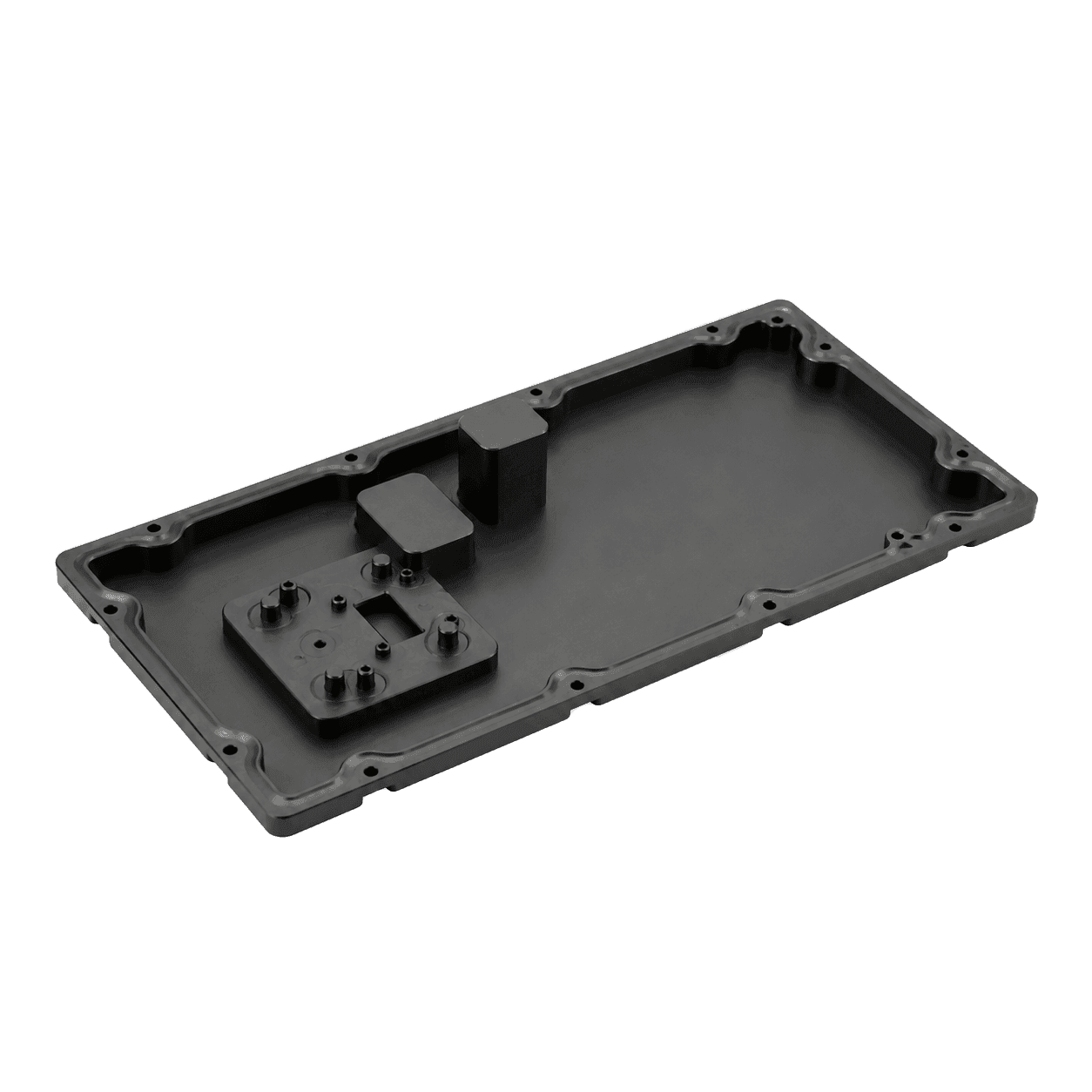
Heat Treatment
Alters the physical (and sometimes chemical) properties of a material to achieve desired mechanical properties.
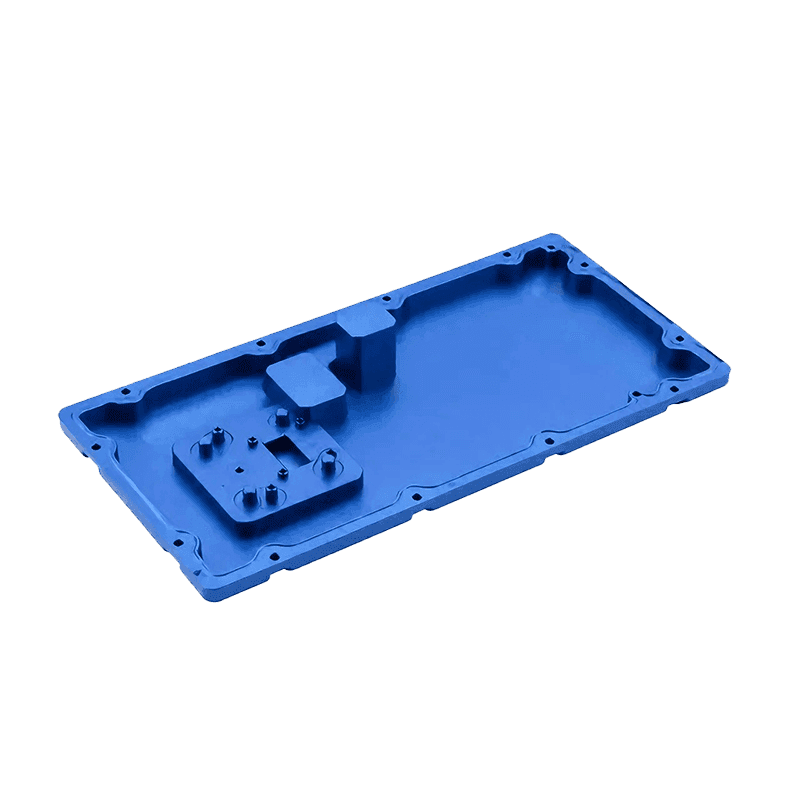
Anodizing
Electrochemical process that forms a durable, corrosion-resistant oxide layer on the surface of metals.
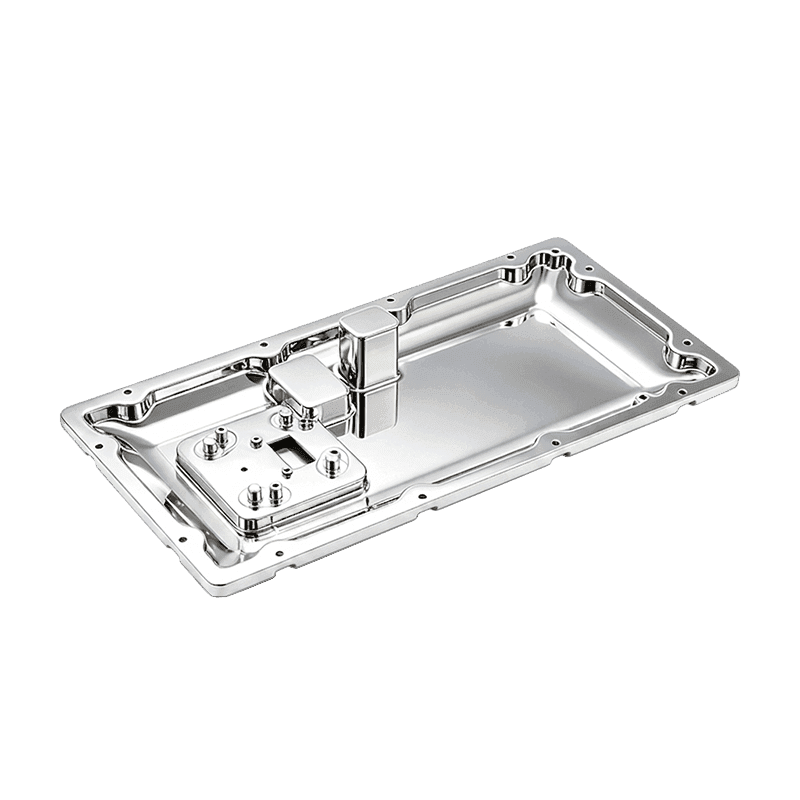
Electroplating
Electroplating is an electrochemical process that deposits a protective metal layer onto a conductive surface.
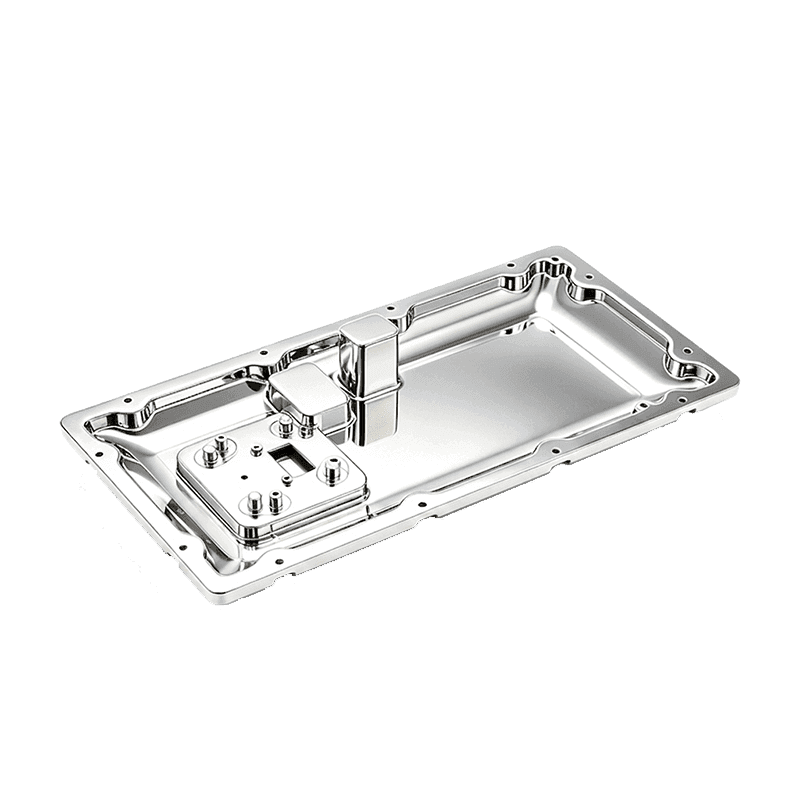
Polishing
Polishing smooths a surface to improve shine, reduce roughness, and enhance appearance.
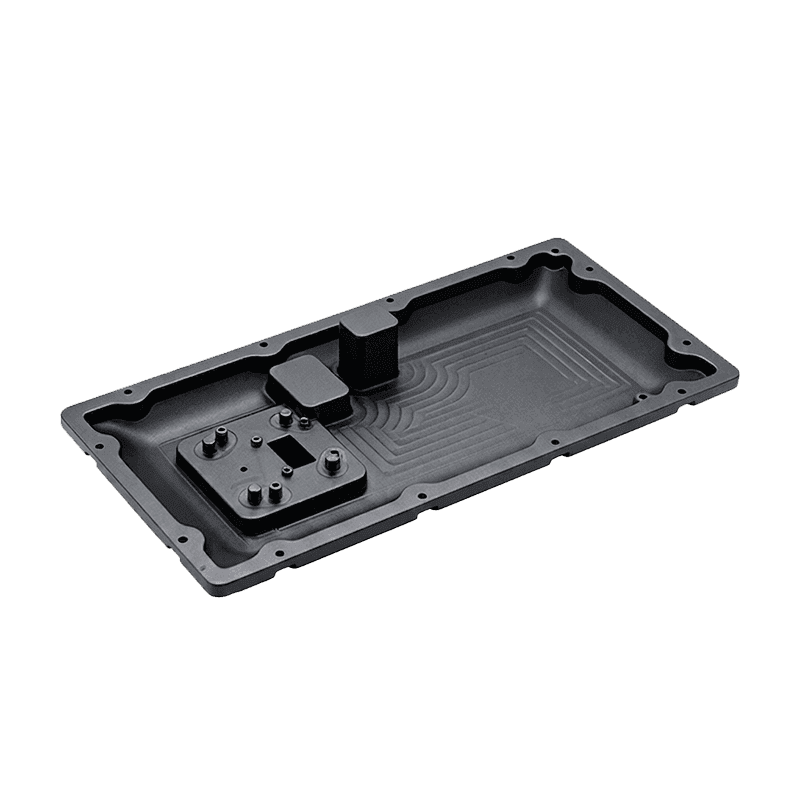
Powder Coating
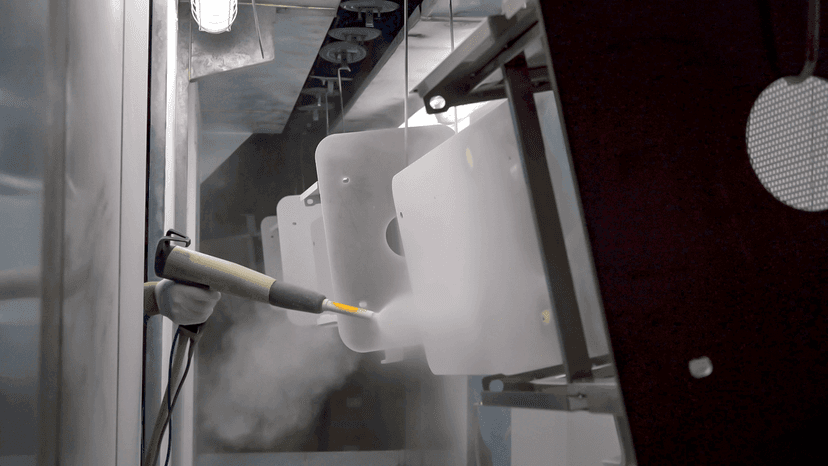
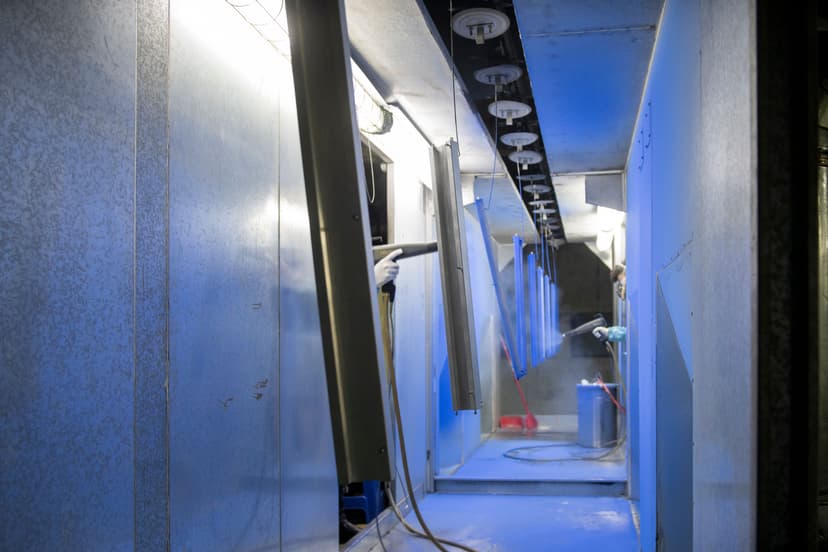
Powder coating provides a durable, scratch-resistant finish with excellent corrosion protection and a clean, attractive appearance.
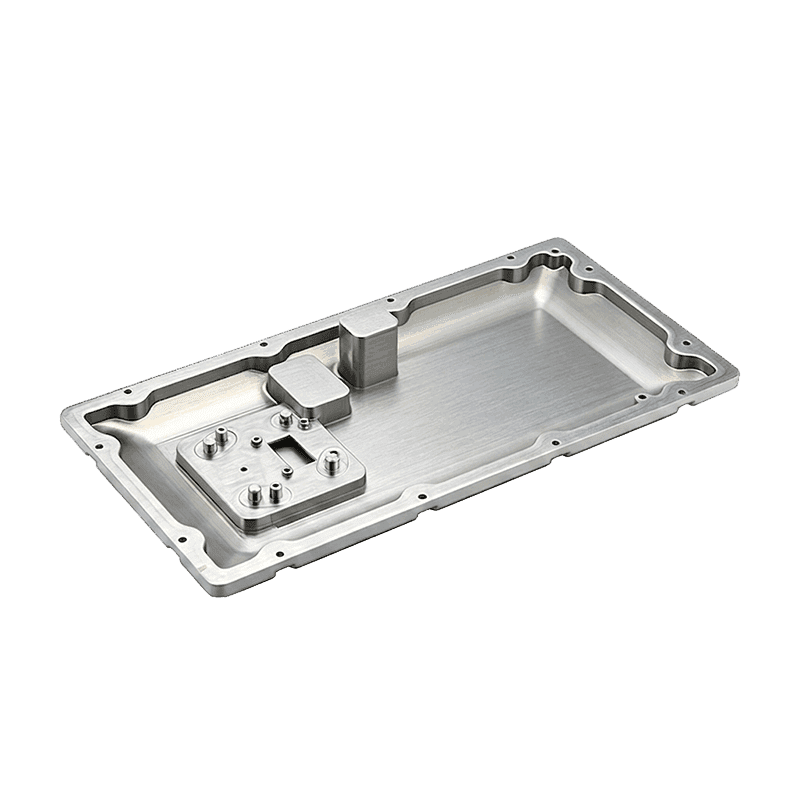
Brushed
Brushed finish creates a refined linear texture with a modern, metallic look.
Copper is one of the most popular metals for sheet metal fabrication because it combines excellent machinability with good mechanical properties, corrosion resistance, and an attractive appearance. It is especially suitable for precision turned parts, fittings, connectors, bushings, valves, and decorative components.
pros
cons
Sheet metal copper parts are widely used across electronics, automotive, plumbing, smart home, industrial equipment, and precision hardware applications. Thanks to its machinability, corrosion resistance, conductivity, and premium appearance, copper is suitable for both functional and decorative components.
Your Comprehensive Metal Manufacturing Solution Provider
We offer both rapid prototyping and large-scale production, utilizing over 700 machines and experienced engineers to deliver high quality CNC parts with minimal compromise on lead time or consistency.
For precision CNC machining, we hold tolerances as tight as ±0.01mm. For sheet metal fabrication, our standard tolerance is ±0.1mm, depending on design complexity.
We process a wide range of metals including Aluminum (6061, 7075), Stainless Steel (304, 316), Titanium, Copper, Brass, and various specialty alloys.
Yes. We offer fast-turnaround prototyping to help you verify designs and functional requirements before scaling to high-volume manufacturing.
Yes, we are IATF 16949 certified for the automotive industry, along with ISO 9001 and ISO 14001 certifications to ensure global quality standards.
Prototypes usually take 3-7 days. Mass production lead times vary from 2-4 weeks depending on the project scale and secondary finishing requirements.
Yes. We have an integrated eco-friendly coating line and offer anodizing, plating, sandblasting, and laser engraving as part of our one-stop service.
Simply upload your CAD drawings (STEP, IGS, or PDF) via our contact form. Our engineers will provide a technical assessment and quote within 24 hours.
Sheet Metal Fabrication Resources
Guides, design tips, and best practices for efficient, high-quality sheet metal fabrication.
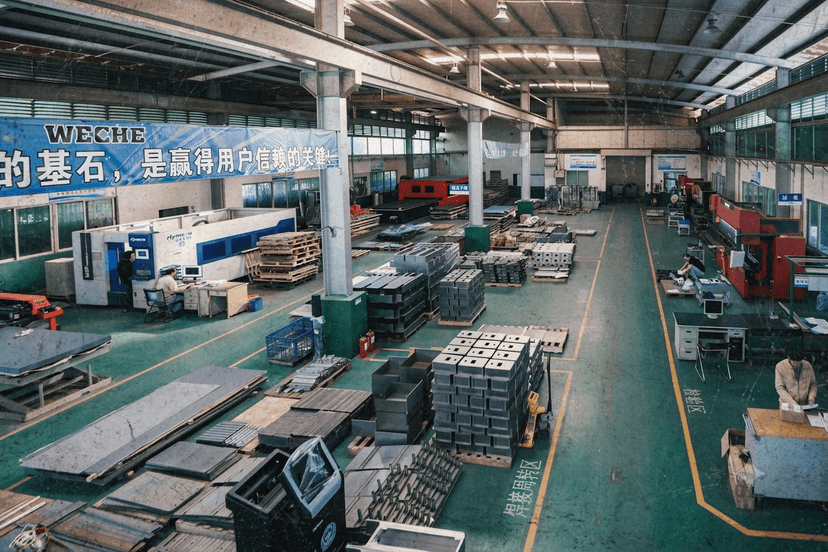
7 Sheet Metal Fabrication Techniques in Modern Manufacturing
2026-06-30Discover 7 core sheet metal fabrication techniques—from blanking and forming to joining and finishing—covering principles, uses, and cost efficiency for optimized manufacturing.
Guide to Sheet Metal Finishing Techniques: Applications, Pros & Cons
2026-07-17This guide explores common sheet metal finishing techniques, outlining their applications, advantages, and limitations to help you select the most suitable process for performance, durability, and appearance requirements.
Why Surface Treatment Matters in Sheet Metal Fabrication
2026-07-07Surface treatment plays a key role in improving the durability, corrosion resistance, and appearance of sheet metal parts. It enhances performance, extends service life, and meets functional and aesthetic requirements across various industries.

Get in Touch With us
Helping customers grow steadily and achieve win-win development

Your trusted partner for CNC machining, sheet metal fabrication, stamping, and assembly. From prototyping to mass production with strict quality control.
tel:
0769-82763299
Mobile:
+86 18988716988
fax:
0769-82763199
Address:
No.3 Longze Road, Chang'an Town, Dongguan City, Guangdong Province, China,523861


Copyright © 2008-2026 | Dongguan Longwang Hardware Co., Ltd. | All Rights Reserved.