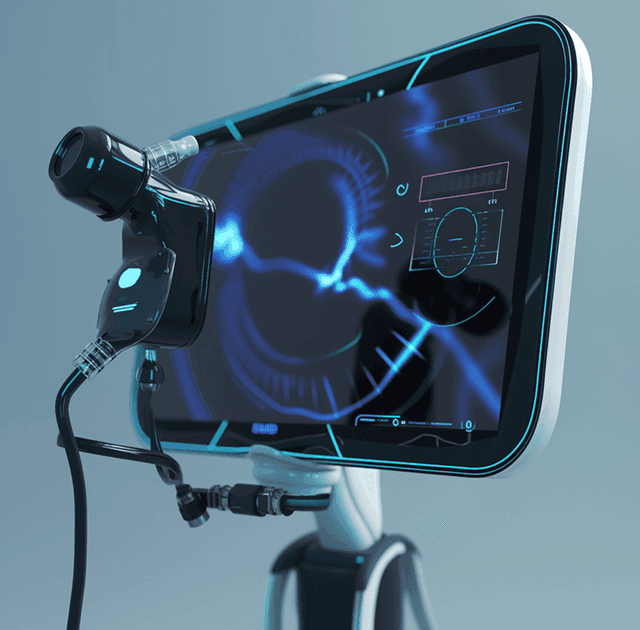
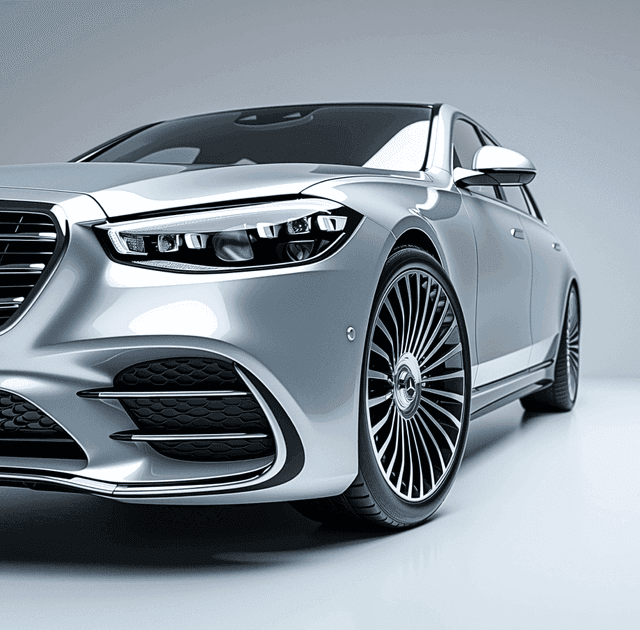
From electronic enclosures to medical components, Longwang delivers precision parts with tolerances up to ±0.01mm. Get your functional prototypes and production parts in as fast as 5 days.
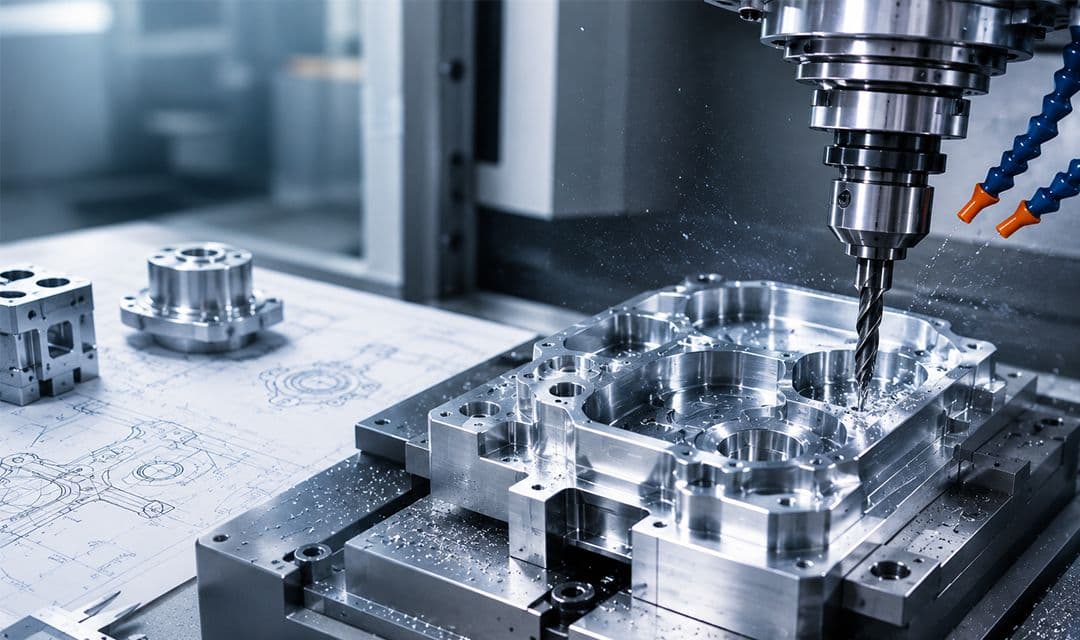
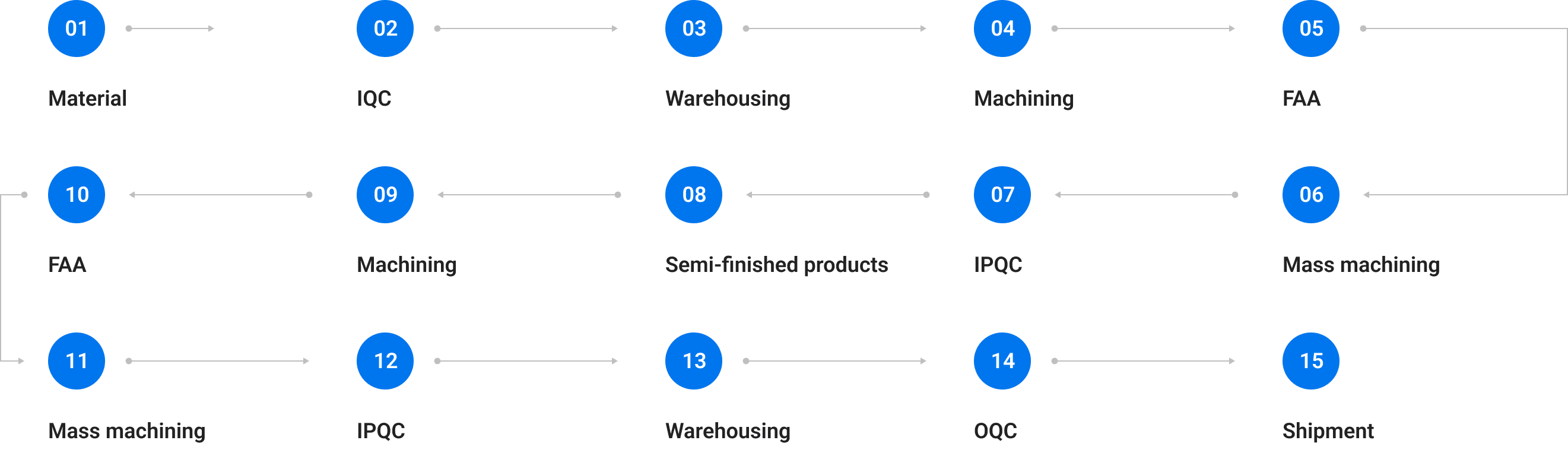
Quality Control for CNC Machining
Our processes comply with ISO 9001, ISO 14001, and IATF 16949 standards, ensuring repeatable precision for critical applications.
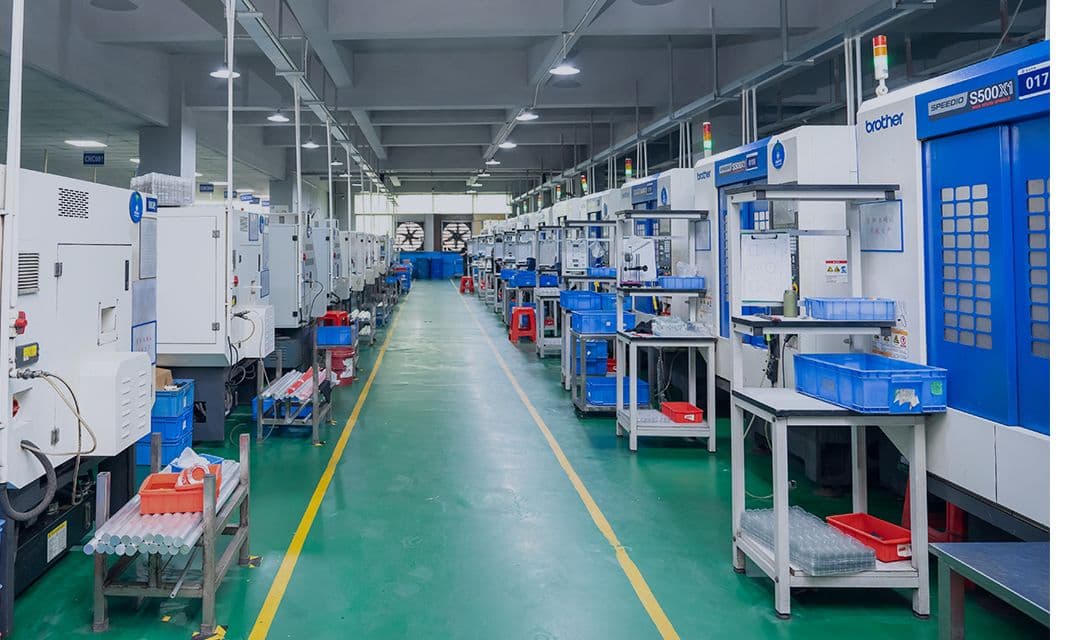
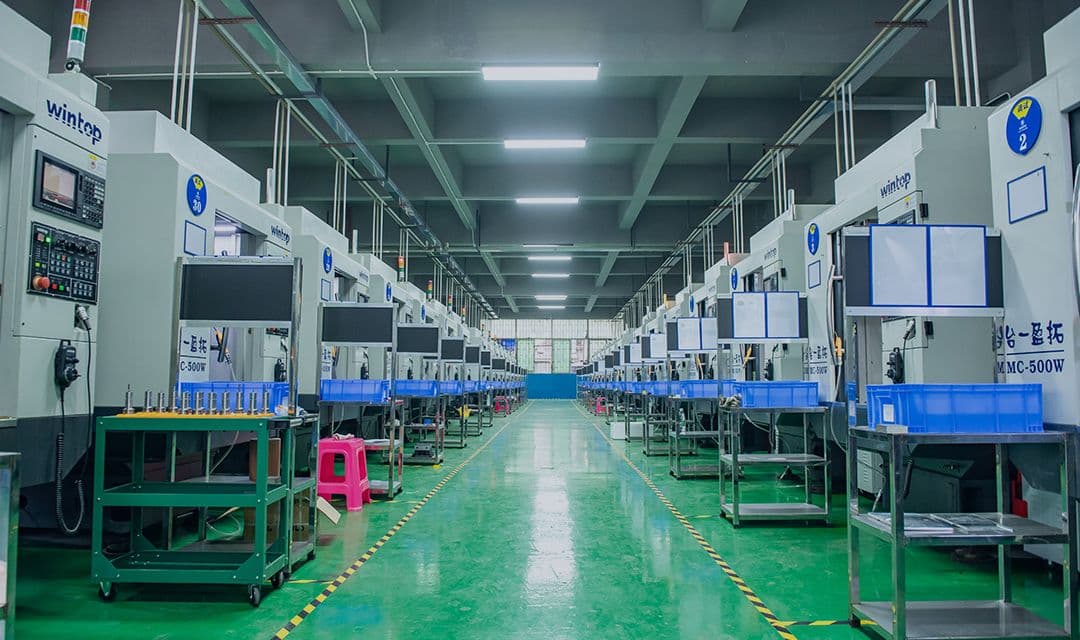
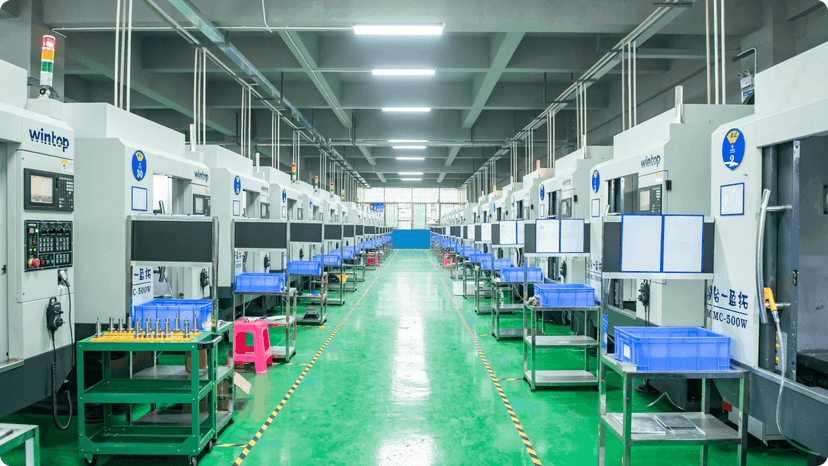
Over 700 advanced CNC machines producing high quality parts with speed and precision

High Precision
Longwang's CNC machine are capable of achieving precise tolerances up to ±0.01 mm, ensuring the delivery of consistent, precise, and reliable components for every project.

Rapid Production
Equipped with 700+ advanced machines, LW provide fast prototyping and high volume manufacturing without sacrificing quality or reliability.

Fast Delivery
From small prototypes to large batch orders, LW ensures parts are delivered quickly and reliably.
Machining Materials Solution
Precision metal solutions for performance, quality, and industrial applications.
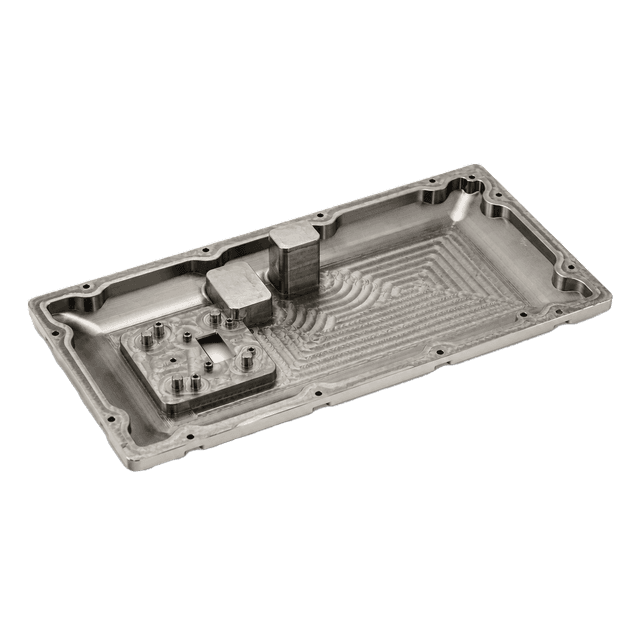
Titanium
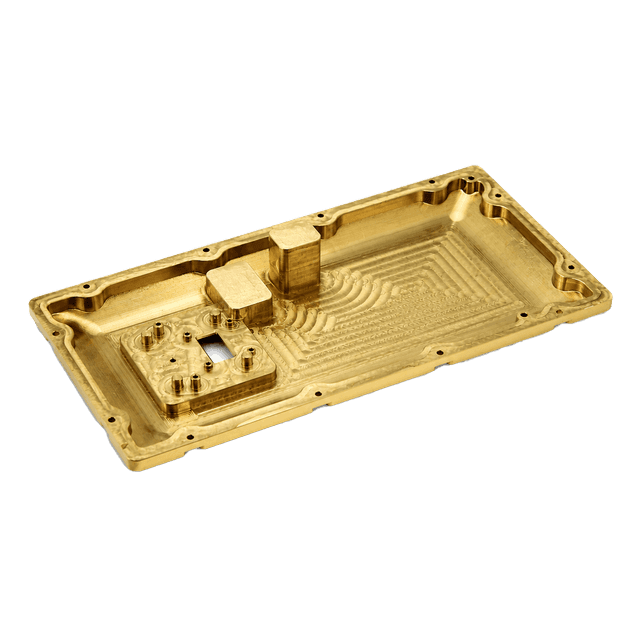
Brass
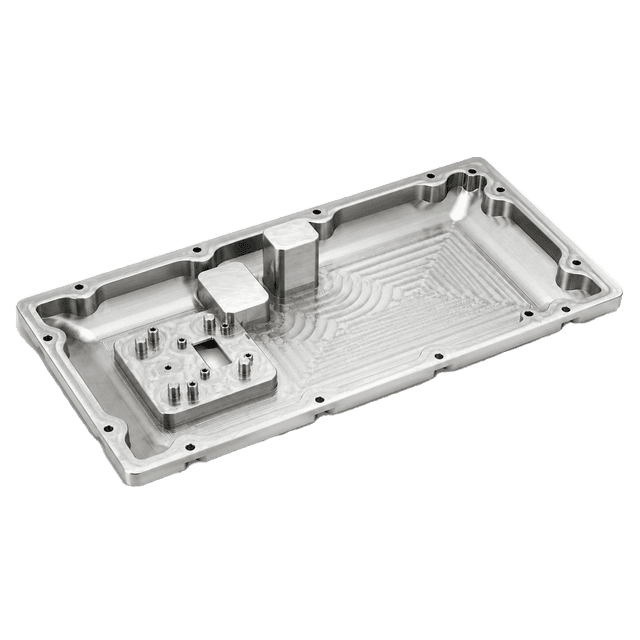
Stainless Steel
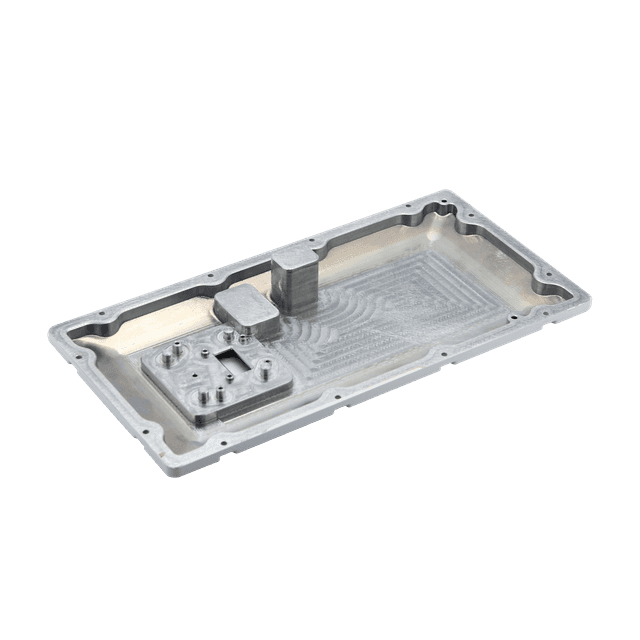
Aluminum Alloy
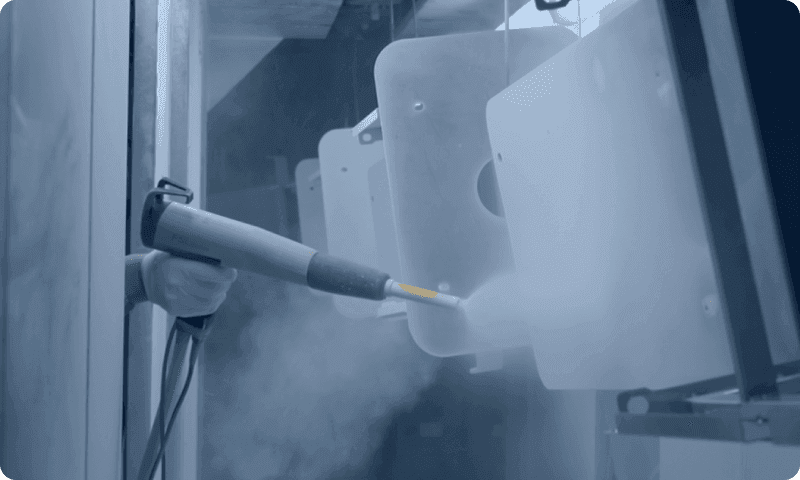
Advanced Surface Finish Options for CNC Machined Parts
Longwang provides multiple surface treatments to improve function, aesthetics, and long-term performance of precision components.
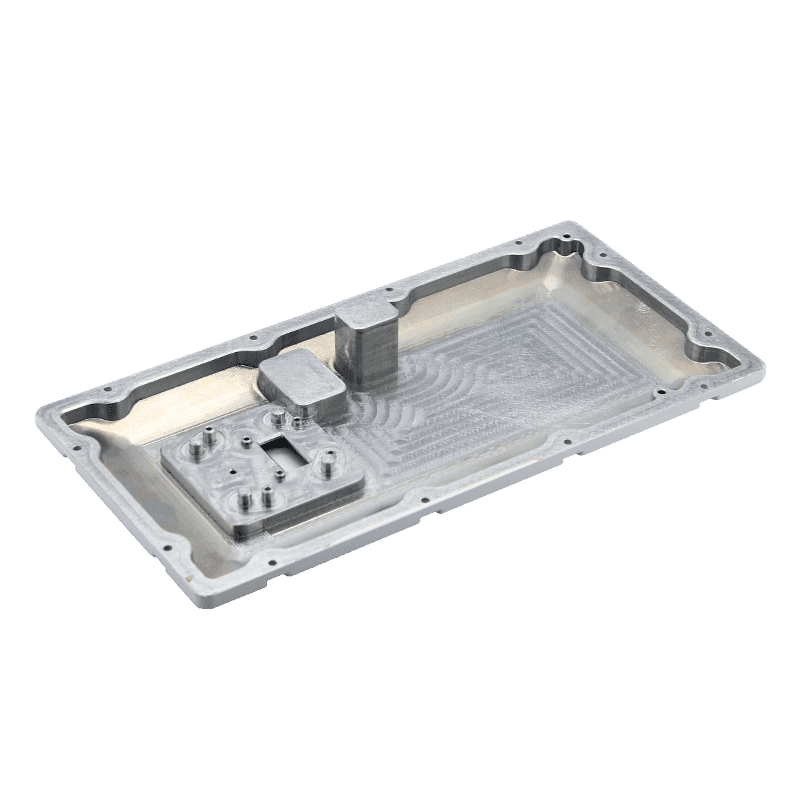
As Machined
Standard finish, surface roughness of 3.2 μm (126 μin), removes sharp edges and deburs parts cleanly.
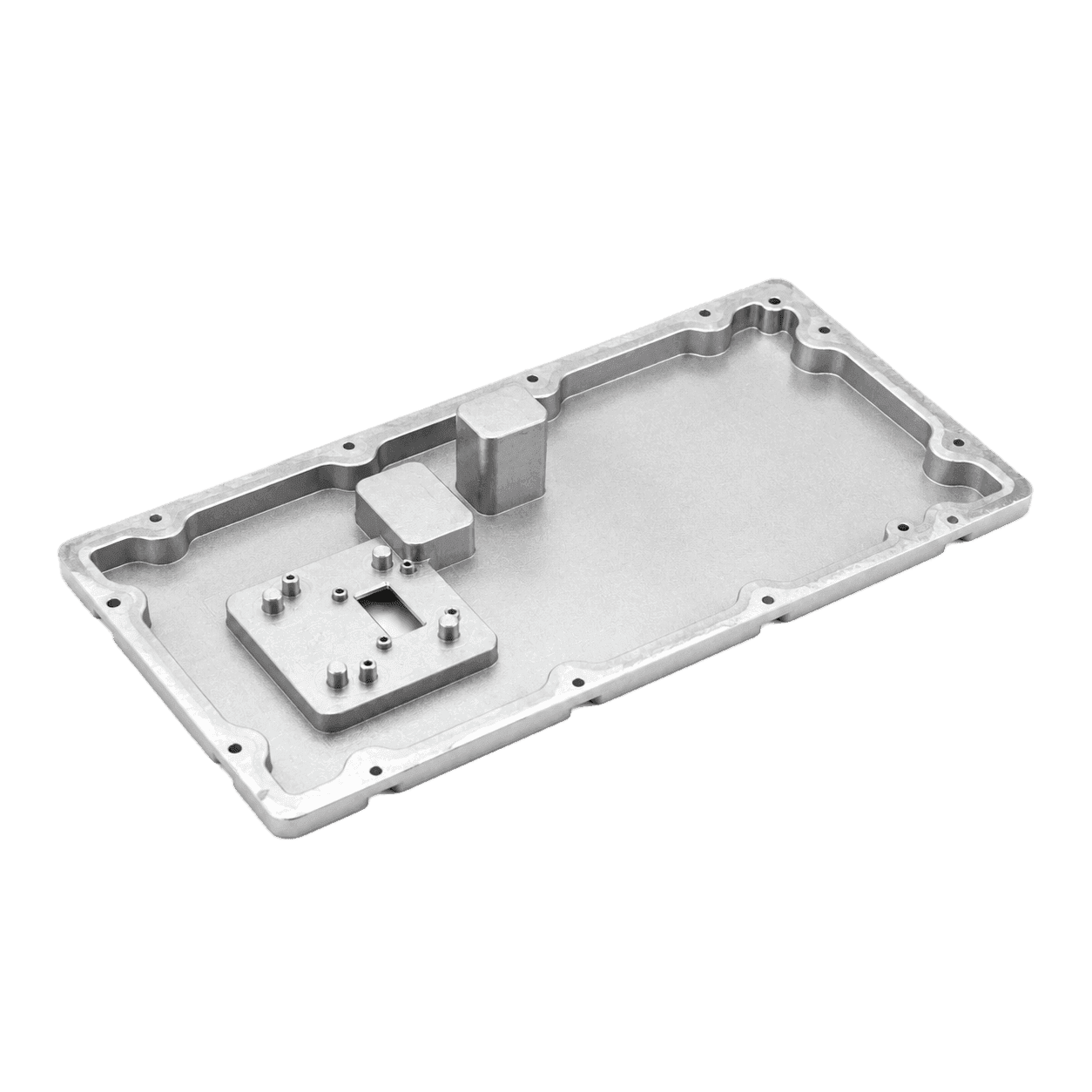
Tumbling
Utilizes barrel or vibratory processes with abrasives to smooth and polish the surface of parts.
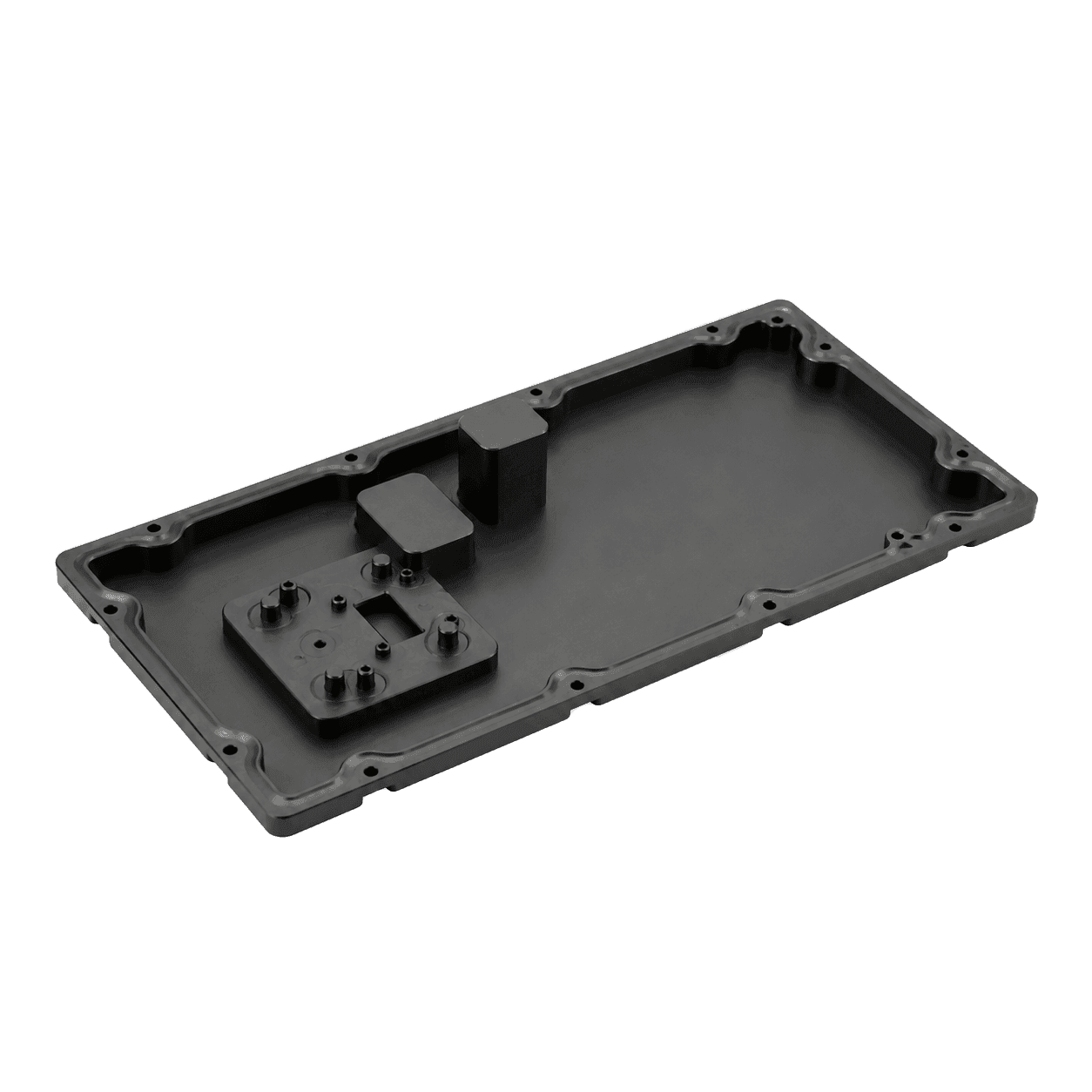
Heat Treatment
Alters the physical (and sometimes chemical) properties of a material to achieve desired mechanical properties.
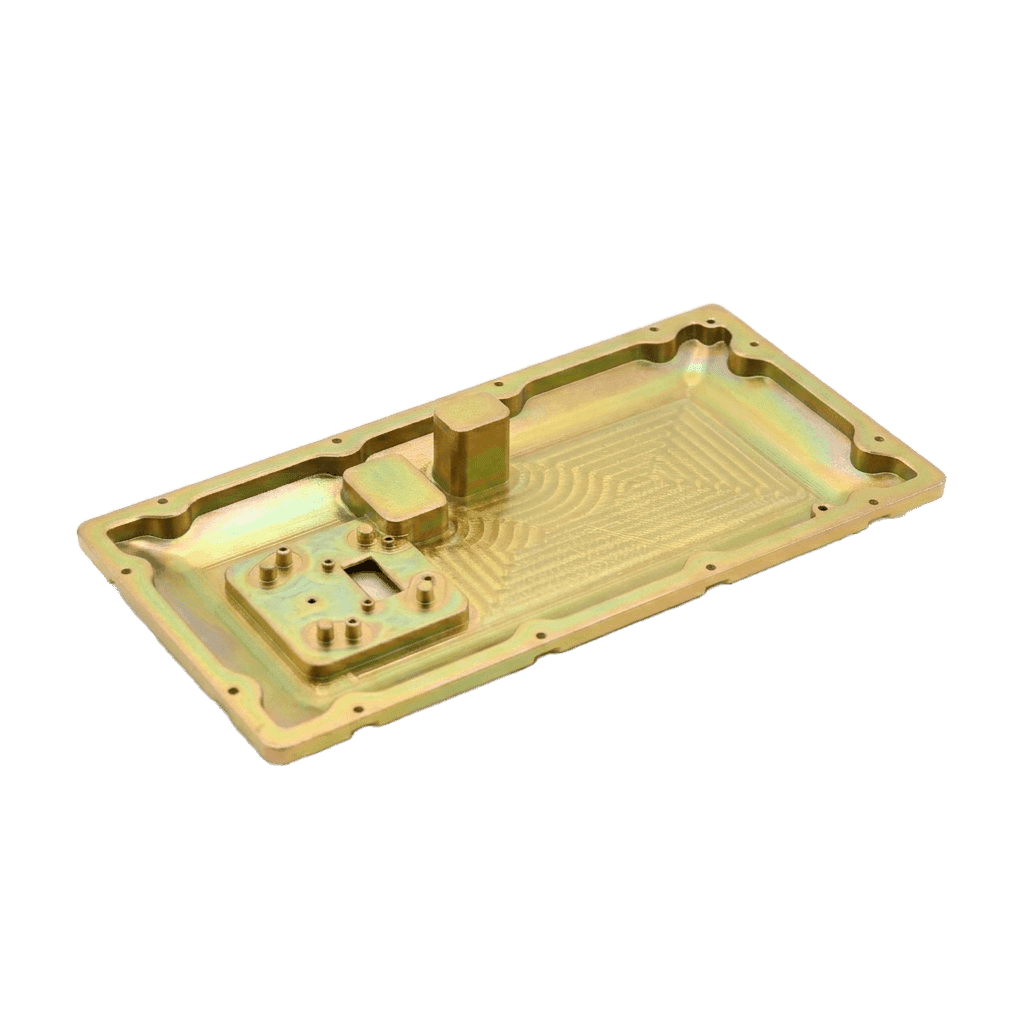
Alodine
Chemical treatment process providing corrosion protection and surface preparation for paint adhesion.
Customer Success Story Case Study
Precision Parts and Engineering Achievements Globally
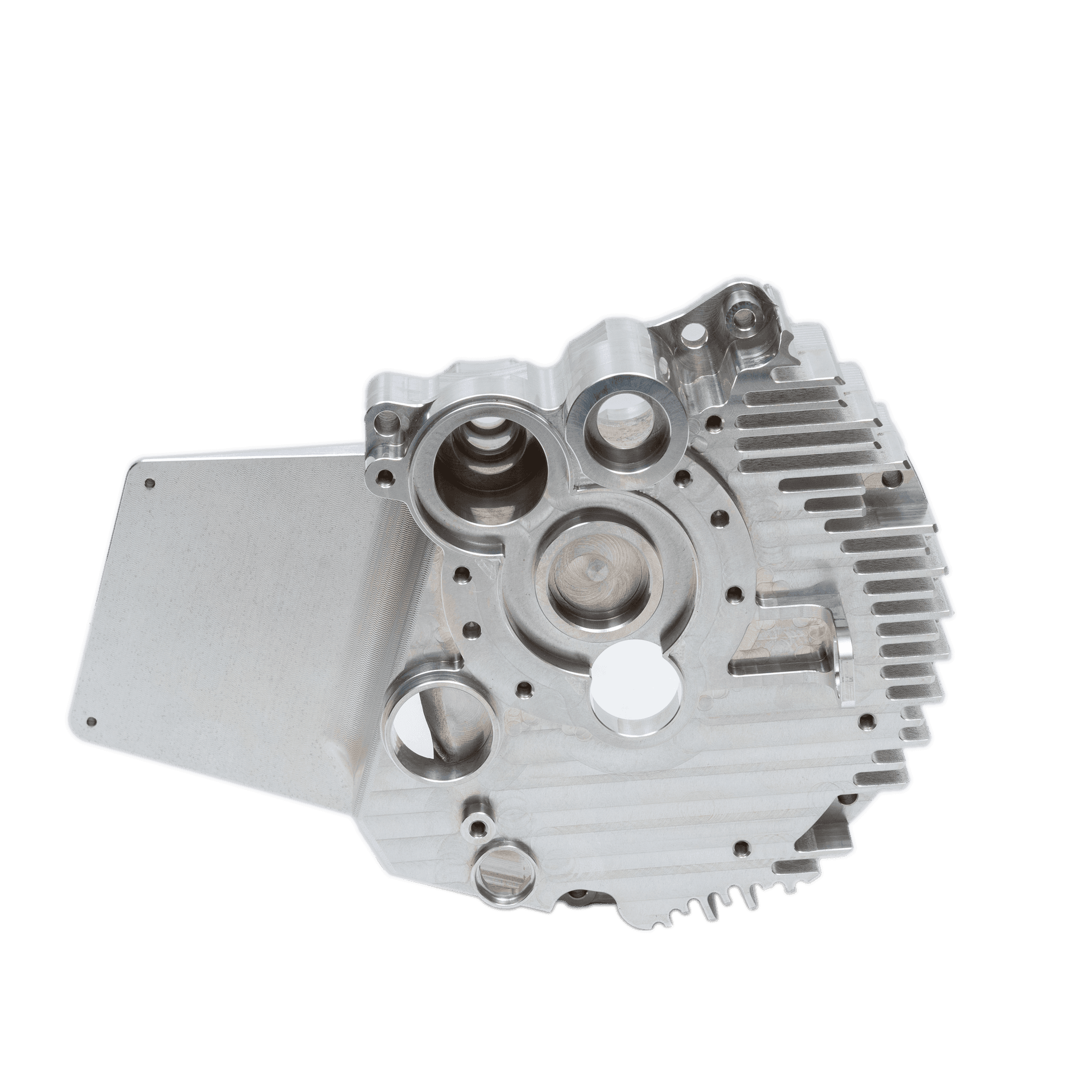
CNC Aluminum Alloy Sandblasted & Anodized Car Modification Component
A high-precision CNC machined aluminum alloy component for automotive modification, finished with sandblasting and anodizing to ensure both durability and premium aesthetics.
Material: Aluminum Alloy 6061-T6
Manufacturing Process: CNC Machining, Sandblasting, Anodizing
Dimensions: 180 × 95 × 60 mm
Tolerance: ±0.02 mm
Sandblasted, Type II Anodized: 66666
Weight: 1.2 kg
Batch Size: 5000 pcs
Color: Matte Silver
Read Full Case Study

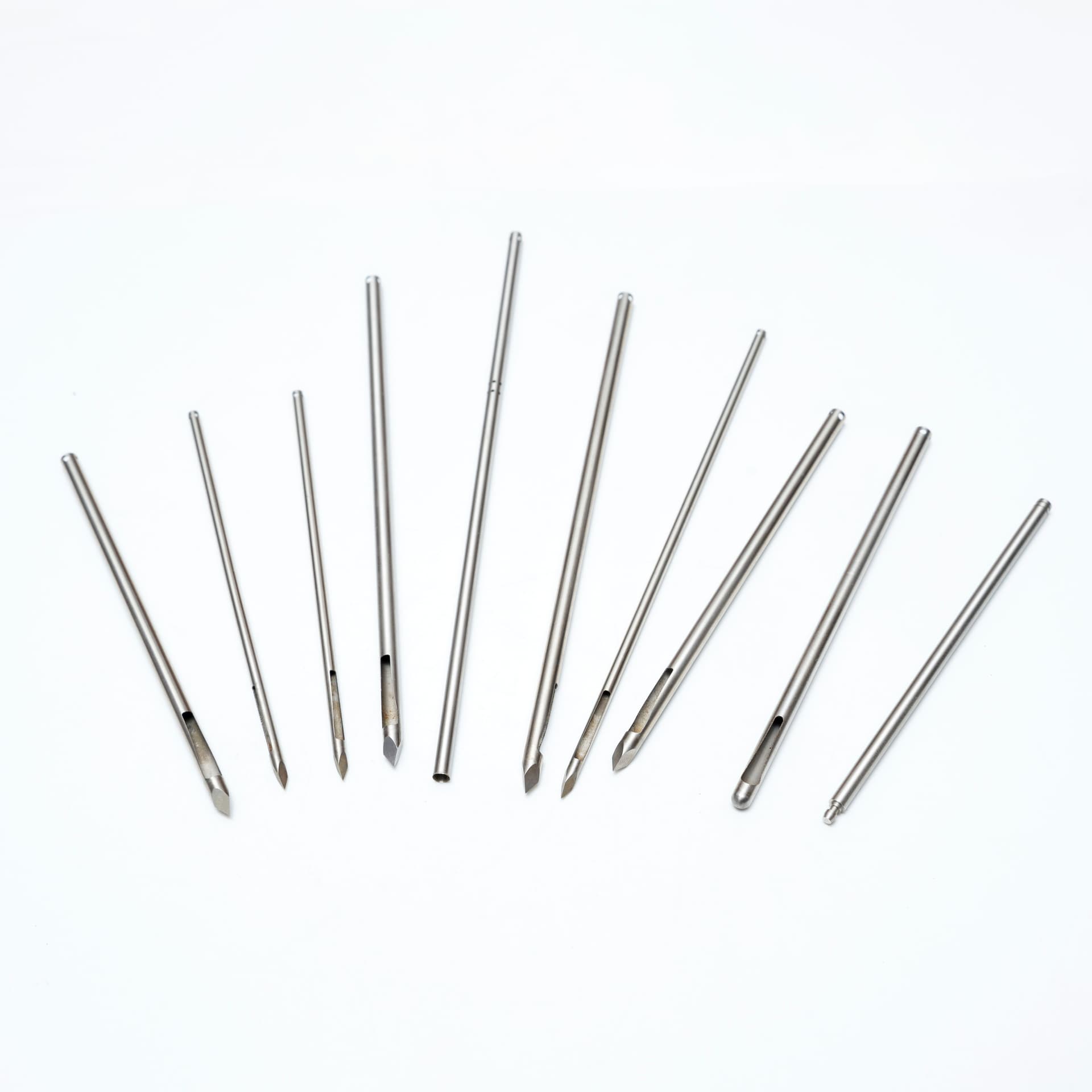
CNC Machined Stainless Steel Medical Needle-Like Component
High-precision stainless steel component designed for medical applications, featuring tight tolerances and smooth finishes for safe, reliable, and precise performance.
Material: Stainless Steel 304
Manufacturing Process: CNC Machining, Polishing, Deburring
Dimensions: 50 × 3 × 3 mm
Tolerance: ±0.01 mm
Weight: 0.02KG
Surface Finish: Smooth, Burr-Free, Polished
Read Full Case Study
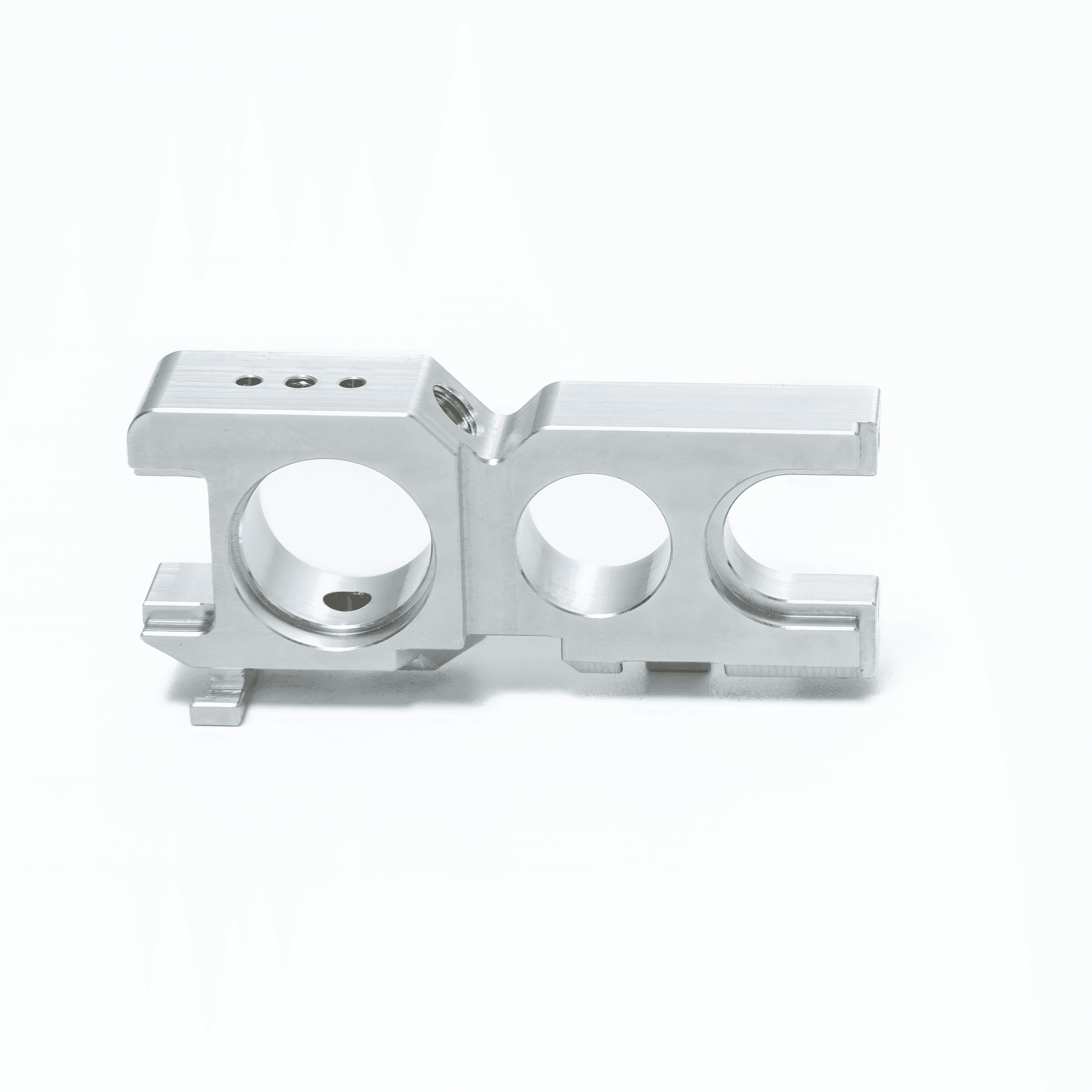
CNC Machined Stainless Steel Medical Pump Clutch Base
High precision stainless steel component designed for medical applications, featuring tight tolerances and smooth finishes for safe, reliable, and precise performance.
Material: Stainless Steel 304
Manufacturing Process: CNC Machining
Dimensions: 43 X 19.5 X 8.3 mm
Tolerance: ±0.01 mm
Weight: 0.05KG
Surface Finish: Ni-P-PTFE
Read Full Case Study
01
02
03
From small prototypes to large-scale production, Longwang provides stamping service for automotive, aerospace, and industrial applications, delivering reliable, high-quality parts worldwide.
Tolerances for CNC Machining
Explore international and national standards for precision CNC parts
Equipment List
Combining automated equipment and advanced technologies to ensure CNC machining metal products quality.

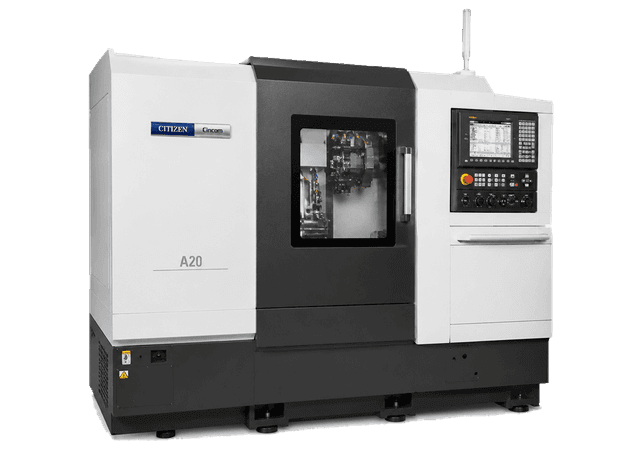
Citizen A20 5‑Axis CNC Turning Center
Machine Model:Citizen A20
Machine Type:5‑Axis Swiss Type Lathes
Controlled Axes:X1, X2, Y, Z1, Z2
Turning Diameter:Up to 20 mm
View Details

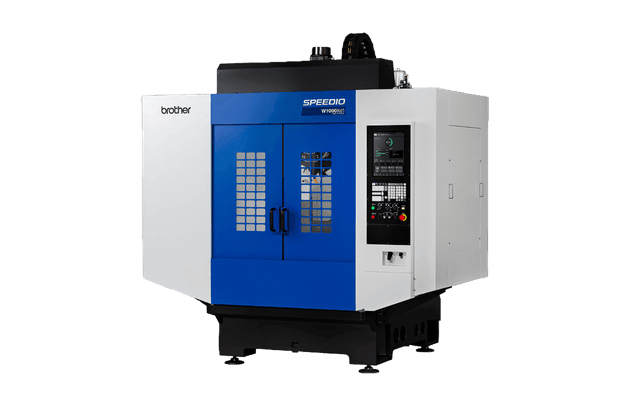
Brother SPEEDIO S500X1 CNC Machining Center
Machine Model:S500X1
Machine Type:CNC Milling Machine
Controlled Axis:X, Y, Z
Axis Travel:500*400*300
View Details
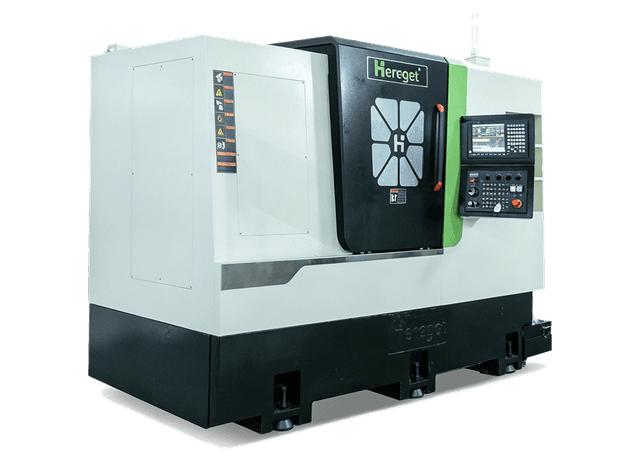
Huijie M652S Multi-Axis Turning Center
Machine Model:Huijie M652S
Machine Type:CNC Turning & Milling Center
Control System:FANUC / Syntec CNC Control
Machining Capability:Turning, Milling, Drilling, Tapping
View Details
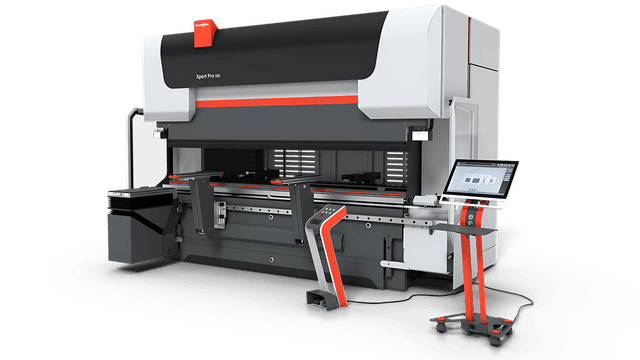
DGDY-WL160/4100 Bending Machine
Model:DGDY-WL160/4100
Machine Type:CNC Bending Machine
Bending Length:4100mm
Angle Accuracy:±0.5°
View Details
Your Comprehensive Metal Manufacturing Solution Provider
We CNC machine a wide range of materials including aluminum alloys (6061, 7075, 5052), stainless steel (304, 316), titanium Grade 5, brass, copper, and engineering plastics such as POM, Nylon, ABS, PC, and PTFE to ensure strength, corrosion resistance, and high precision.
Our CNC machining services can achieve tight tolerances up to ±0.003 mm with advanced multi-axis machines and precision inspection systems to ensure consistent high-accuracy parts.
We offer both rapid prototyping and large-scale production, utilizing over 700 machines and experienced engineers to deliver high quality CNC parts with minimal compromise on lead time or consistency.
Our CNC machining services support the aerospace, automotive, NEV, medical device, robotics and automation, electronics and communication, and industrial equipment industries with tailored solutions for each sector.
We offer surface finishes, including anodizing for aluminum, powder coating for steel, polishing and brushing for stainless steel, and painting or textured finishes for plastics to meet both functional and aesthetic requirements.
You can request a quote by uploading your CAD file (STEP / IGES / STL) and providing material, quantity, and surface specifications, and our engineers will respond within 24 hours with a detailed quotation and DFM advice.
CNC Machining Resource
High Precision CNC Machining & Forging Services for Complex Parts.
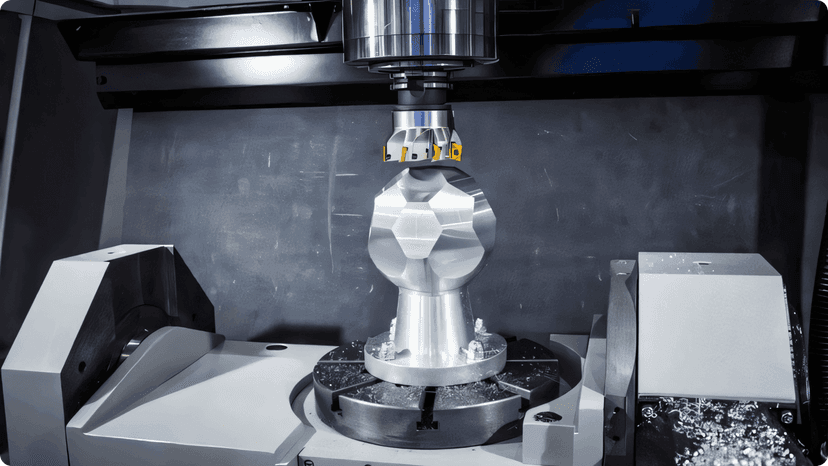
What Is CNC Machining?
2026-04-04CNC machining, short for Computer Numerical Control machining, is a manufacturing process that uses pre-programmed computer software to control machine tools and produce precision parts from raw materials. By automating cutting, drilling, milling, turning, and other machining operations, CNC technology enables manufacturers to create highly accurate and repeatable components for industries such as automotive, aerospace, medical devices, electronics, and industrial equipment. Unlike conventional manual machining, CNC machining minimizes human error and delivers consistent quality across both prototype and mass production runs. Modern CNC machines can process a wide range of materials, including aluminum, stainless steel, titanium, brass, copper, and engineering plastics. Today, CNC machining is one of the most widely used manufacturing methods for producing complex parts with tight tolerances and superior surface finishes. How Does CNC Machining Work? The CNC machining process begins with a digital design. Step 1: CAD Design Engineers create a 2D or 3D model using CAD software. This model contains all dimensions, tolerances, and design requirements. Step 2: CAM Programming The CAD model is converted into machine-readable code through CAM software. The software generates tool paths and machining instructions known as G-code. Step 3: Machine Setup Operators install the raw material and cutting tools into the CNC machine and load the program. Step 4: Machining Process The machine automatically performs cutting operations according to the programmed instructions. Depending on the part complexity, this may include milling, drilling, turning, threading, or contouring. Step 5: Inspection and Finishing After machining, the part undergoes quality inspection and may receive additional surface treatments such as anodizing, powder coating, polishing, sandblasting, or plating. This automated workflow enables manufacturers to achieve high accuracy while minimizing human error. Why Is CNC Machining Used? CNC machining is used because it offers exceptional precision, efficiency, and flexibility. Manufacturers rely on CNC technology to produce complex geometries that would be difficult or impossible to achieve through manual machining. Some key advantages include: • High dimensional accuracy and repeatability • Fast production cycles and reduced lead times • Ability to machine complex designs • Consistent quality across large production volumes • Compatibility with a wide range of materials • Reduced labor costs and human error These benefits make CNC machining an ideal solution for both rapid prototyping and full-scale production. What Materials Can Be CNC Machined? One of the biggest advantages of CNC machining is its material versatility. CNC machines can process metals, plastics, and specialty materials to meet different application requirements. Common materials include: Metals • Aluminum 6061, 7075 • Stainless Steel 303, 304, 316 • Carbon Steel • Brass • Copper • Titanium Plastics • ABS • POM (Delrin) • Nylon • Polycarbonate • Acrylic • PEEK The choice of material depends on factors such as strength, weight, corrosion resistance, thermal performance, and cost. How Accurate Is CNC Machining? CNC machining is known for its outstanding precision. Depending on the machine type, material, and part complexity, tolerances can typically reach ±0.05 mm, while high-precision applications may achieve ±0.01 mm or better. This level of accuracy is essential for industries where component performance and assembly reliability are critical, such as aerospace systems, medical devices, and automotive components. Advanced CNC equipment, combined with strict quality inspection processes, ensures that every part meets exact design specifications. Tolerance Application ±0.10 mm General Industrial ±0.05 mm Automotive ±0.02 mm Electronics ±0.01 mm Medical & Aerospace What Industries Use CNC Machining? CNC machining supports a wide range of industries that require precision-engineered components. Automotive Manufacturing engine components, brackets, housings, and performance parts. Medical Devices Producing surgical instruments, implants, and diagnostic equipment components. Aerospace Creating lightweight, high-strength parts with strict dimensional requirements. Electronics Manufacturing enclosures, heat sinks, connectors, and structural components. Industrial Equipment Producing machine parts, automation components, and custom tooling. As technology continues to evolve, CNC machining remains a critical manufacturing solution for innovative products across nearly every industry. CNC machining has transformed modern manufacturing by delivering unmatched precision, efficiency, and scalability. Whether producing a single prototype or thousands of production parts, CNC technology enables manufacturers to achieve consistent quality while reducing production time and costs. With its ability to machine complex geometries and a wide range of materials, CNC machining continues to be the preferred manufacturing process for businesses seeking reliable, high-performance components.
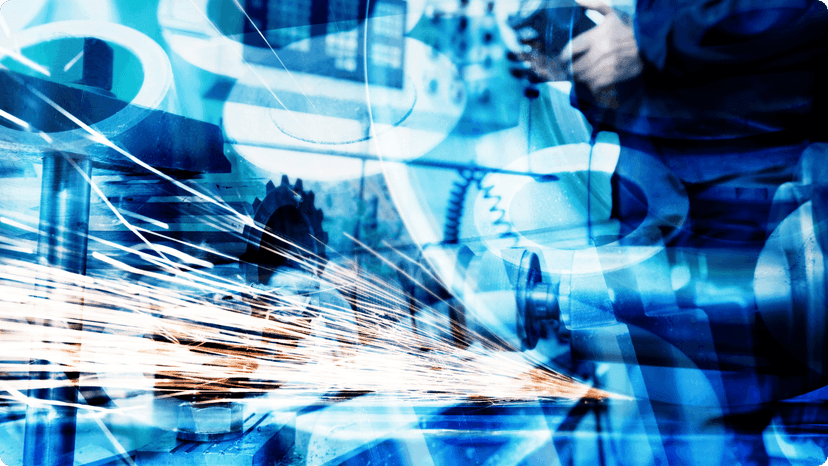
What is CNC machining and how does it work?
2026-04-03CNC machining, which stands for Computer Numerical Control machining, is a manufacturing process that involves the use of computer-controlled machine tools to create precise and complex parts and components. This technology has revolutionized the manufacturing industry by allowing for greater accuracy, efficiency, and flexibility in the production of parts. In CNC machining, a computer program is used to control the movement and operation of the machine tool, which is typically a mill, lathe, or router. The program specifies the tool path, speed, and other parameters necessary to produce the desired part or component. The machine tool then uses various cutting tools, such as drills, end mills, and reamers, to remove material from the workpiece and create the desired shape. One of the primary benefits of CNC machining is its ability to produce parts with extremely tight tolerances and complex geometries. Because the machine tool is controlled by a computer program, it can perform operations with a high degree of precision and accuracy, which would be difficult or impossible to achieve with manual machining methods. Another advantage of CNC machining is its flexibility. Because the program can be easily modified, it is possible to produce a wide range of parts and components without the need for specialized tooling or equipment. This makes CNC machining an ideal choice for small batch production runs, rapid prototyping, and custom manufacturing. Another advantage of CNC machining is its high level of accuracy and repeatability. The use of computer-controlled machines ensures that each part or component produced is identical to the previous one. This level of precision is difficult to achieve with manual machining, which relies on the skill and expertise of the operator. CNC machining is widely used in various industries, including aerospace, automotive, medical, and electronics manufacturing. In aerospace and automotive industries, CNC machining is used to manufacture critical components such as engine parts, landing gear, and structural components. In the medical industry, CNC machining is used to manufacture prosthetic devices, implants, and surgical instruments. In the electronics industry, CNC machining is used to manufacture circuit boards, computer components, and other electronic devices. In addition to its accuracy and repeatability, CNC machining also offers other advantages such as flexibility and speed. CNC machines can be programmed to produce a wide range of parts and components, and can quickly switch between different jobs. This makes CNC machining ideal for prototyping and small-batch production, where quick turnaround times are essential. To begin the CNC machining process, a design is created using Computer-Aided Design (CAD) software. This design is then converted into G-code and uploaded to the CNC machine. The machine operator then loads the material to be machined onto the machine's bed and secures it in place. In conclusion, CNC machining is a highly efficient and precise manufacturing process that relies on computer-controlled machines to create parts and components. By using CAD software to design parts and G-code to control the machines, CNC machining can produce high-quality, complex parts quickly and accurately. Dongguan Longwang have over 15 years experience in CNC machining, experienced engineer team supply R&D services, make your idea come true,if you have project need machining service,please contact us!
What Is Sheet Metal Fabrication in New Energy Applications?
2026-04-02Although often hidden beneath coatings, insulation, and electronic assemblies, sheet metal components form the structural backbone of most new energy systems. They provide mechanical strength, thermal management, safety protection, and long-term reliability in demanding operating environments. According to the International Energy Agency (IEA), global battery energy storage deployment exceeded 85 GWh in 2024, more than triple the installed capacity recorded just three years earlier. At the same time, global EV sales surpassed 17 million units, creating unprecedented demand for precision metal enclosures, structural housings, and thermal management assemblies. So, what exactly is sheet metal fabrication in new energy applications, and why has it become so essential? 1、What Is Sheet Metal Fabrication? Sheet metal fabrication is the manufacturing process of transforming flat metal sheets into functional components or complete assemblies through a series of engineered operations. These operations typically include · Laser cutting · Stamping · Precision bending · Welding · Riveting and fastening · Surface finishing The process allows manufacturers to convert raw materials such as aluminum, stainless steel, and galvanized steel into complex three-dimensional structures with tight tolerances. In traditional industries, sheet metal fabrication has long been used in machinery, telecommunications, and automation equipment. In new energy applications, however, the performance requirements are significantly higher. Components must withstand vibration, moisture, heat cycles, corrosion, and in some cases, thermal runaway conditions. For this reason, modern sheet metal fabrication is no longer simply about shaping metal—it is about engineering safety, performance, and manufacturability into every enclosure. 2、Why Is Sheet Metal Fabrication Essential in New Energy Applications? New energy systems operate under conditions that place exceptional demands on structural components. Battery systems generate heat. Charging systems face outdoor exposure. Inverters operate continuously under electrical loads. Energy storage cabinets must remain stable for ten years or longer. Sheet metal fabrication addresses these challenges in several key ways. First, it provides structural integrity. A battery enclosure may carry hundreds of kilograms of cells, busbars, cooling systems, and electronic modules. The housing must maintain dimensional stability during transportation, installation, and long-term operation. Second, it supports thermal management. Properly designed sheet metal structures can integrate ventilation channels, cooling interfaces, and airflow pathways that help control internal temperatures. Third, it ensures environmental protection. Many new energy products require protection levels such as IP54, IP65, or higher. Precision fabrication enables tight panel alignment, gasket compression, and reliable sealing. Finally, sheet metal fabrication supports scalable production. Whether producing 20 prototypes or 20,000 production units, CNC-driven processes ensure repeatability and consistency. 3、Common New Energy Products Made by Sheet Metal Fabrication In the new energy industry, sheet metal fabrication supports a wide range of products. Some of the most common applications include: Used in lithium battery modules, battery packs, and stationary storage systems. These enclosures protect cells from impact, dust, moisture, and thermal events. · Energy Storage Cabinets Large-scale ESS cabinets may reach heights of over 2 meters and house multiple battery racks. Fabricated steel frames and panels provide both mechanical strength and service accessibility. · EV Battery Boxes Electric vehicle battery housings require lightweight design while meeting strict crash and vibration standards. · Charging Station Enclosures Outdoor charging stations require corrosion resistance, waterproof sealing, and structural stability under changing weather conditions. · Inverter and Control Cabinets Power electronics rely on metal housings for electromagnetic shielding, heat dissipation, and mechanical protection. Industry data shows that sheet metal structures can account for 15–25% of the total manufacturing cost of a commercial energy storage cabinet, highlighting their importance in both performance and cost optimization 4、Material-Process Synergy in New Energy Sheet Metal Fabrication In the high-stakes environment of new energy—where precision, thermal management, and structural safety are non-negotiable—sheet metal fabrication is a synergy of material science and advanced manufacturing. Success is not merely about choosing the right material or applying the right process, but understanding how they interact to meet the rigorous demands of EV battery packs, BESS (Battery Energy Storage Systems), and renewable power hardware. Strategic Material Selection: The Physical Foundation Material selection is the first technical filter in our DFM (Design for Manufacturing) process. We choose materials based on their inherent properties to meet specific environmental and mechanical targets: Aluminum Alloys (5052, 6061): The Weight-Efficiency Driver Role: Predominant in EV battery enclosures. Synergy: Its low density allows for a 30–40% reduction in weight vs. steel, while its high thermal conductivity is vital for heat dissipation in battery modules. Process Impact: Requires specialized laser cutting parameters to manage high reflectivity and CNC bending compensations to counteract significant material springback. Stainless Steel (304, 316): The Durability Standard Role: Critical for outdoor infrastructure, including BESS containers and solar inverter housings. Synergy: Chosen for its superior corrosion resistance and high yield strength, ensuring a 20+ year lifespan in harsh outdoor climates. Process Impact: Demands high-precision TIG/MIG welding to maintain structural integrity at joints, often requiring localized heat management to prevent distortion. Galvanized Steel (SECC, SGCC): The High-Volume Enabler Role: Standard for indoor electrical cabinets and modular shelving. Synergy: Offers excellent formability and cost-efficiency. Its pre-coated nature ensures reliable protection against common indoor atmospheric corrosion. Process Impact: Highly compatible with high-speed CNC punching and automated robotic bending, allowing for rapid throughput in mass production. 5、Fabrication Processes: Engineering Material Properties into Reality Once the material is selected, our fabrication processes are designed to leverage its strengths while mitigating its weaknesses through precision engineering: High-Precision Cutting (Fiber Laser): Regardless of the material, fiber laser systems are now the baseline, achieving ±0.1 mm tolerances. This precision ensures that mounting interfaces for sensitive battery components align perfectly, reducing structural stress. Complex Forming (CNC Bending & Stamping): Material properties dictate our bending strategy. For aluminum, we utilize advanced press brakes with real-time laser-guided angle control to adjust for its high springback. This ensures the precise geometry required for IP65/IP66 sealing in storage systems. Structural Joining (Welding & Fastening): We employ robotic welding to minimize the Heat Affected Zone (HAZ), which is critical for maintaining the material strength of high-strength alloys. For modular assembly, self-clinching fasteners are preferred over threading, providing high-torque, vibration-resistant connections that are essential for long-term field reliability. Advanced Surface Finishing: The final step—powder coating, anodizing, or electrophoretic deposition—is not just cosmetic. It creates an essential chemical barrier that validates the material's structural integrity against salt spray and oxidation, effectively closing the loop of the enclosure's environmental protection. 6、How Custom Sheet Metal Fabrication Improves Energy Storage Performance Standard enclosures rarely meet the unique requirements of modern energy systems. Custom sheet metal fabrication allows engineers to optimize: * Internal airflow * Cable routing * Maintenance access * Structural reinforcement * Thermal expansion control For example, redesigning internal support brackets in an ESS cabinet can reduce assembly steps by up to 18%, while optimized airflow channels may improve cooling efficiency by 10–15%. Customization also improves serviceability. Field technicians can access replaceable modules faster, reducing downtime and maintenance costs. From a manufacturing perspective, custom fabrication often lowers total lifecycle cost—even when initial tooling investment is higher. 7. How to Choose the Right Sheet Metal Fabrication Manufacturer for New Energy Projects Selecting a fabrication partner is not simply about comparing unit prices. The right manufacturer should offer: Engineering Capability Can they review your drawings for manufacturability? Can they recommend design improvements? Material Expertise Do they understand aluminum welding, stainless steel finishing, and IP sealing requirements? Quality Control Look for capabilities such as: * CMM inspection * Weld testing * Salt spray testing * Dimensional verification Production Scalability Can they support prototype development as well as mass production? Industry Experience A supplier familiar with battery enclosures, charging infrastructure, or ESS systems can often identify potential risks before production begins. In new energy manufacturing, the quality of the metal structure directly affects safety, reliability, and product lifespan. Choosing an experienced sheet metal fabrication partner is not just a sourcing decision—it is an engineering decision. As renewable energy continues to expand worldwide, sheet metal fabrication will remain a core technology behind safer batteries, smarter charging infrastructure, and more reliable energy storage systems. The companies that master both fabrication precision and application-specific engineering will lead the next generation of clean energy manufacturing.

Get in Touch With us
Helping customers grow steadily and achieve win-win development

Your trusted partner for CNC machining, sheet metal fabrication, stamping, and assembly. From prototyping to mass production with strict quality control.
tel:
0769-82763299
Mobile:
+86 18988716988
fax:
0769-82763199
Address:
No.3 Longze Road, Chang'an Town, Dongguan City, Guangdong Province, China,523861


Copyright © 2008-2026 | Dongguan Longwang Hardware Co., Ltd. | All Rights Reserved.