Why Surface Treatment Matters in Sheet Metal Fabrication
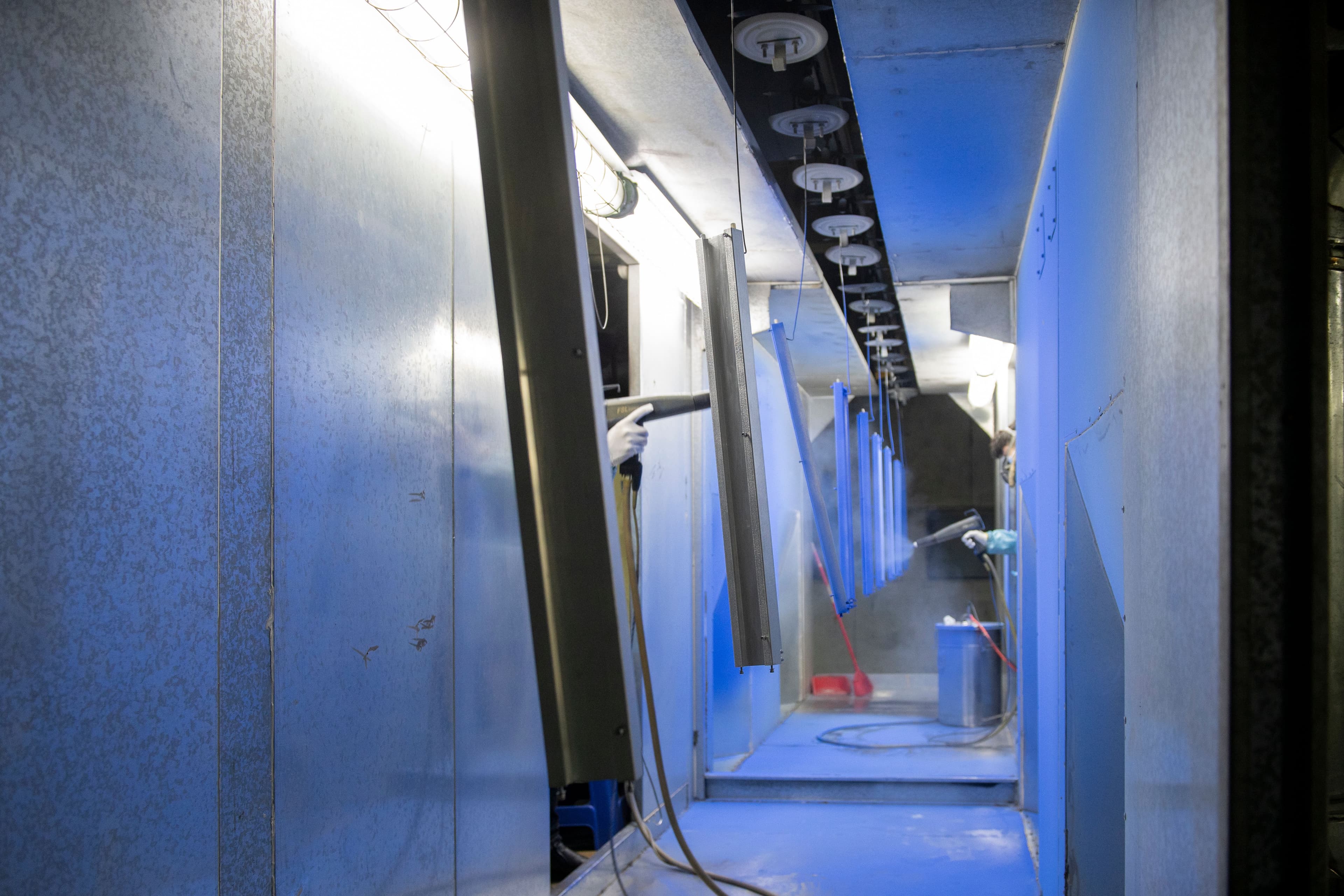
When you are sourcing sheet metal parts, it is natural to spend all your time worrying about laser cutting precision, CNC bending tolerances, or whether the welds are clean and strong. Those form the "bones" and "muscles" of your part. But out in the real world, the surface treatment is what actually decides how long that part is going to live. In a professional fabrication shop, we never treat finishing as a last-minute cosmetic touch-up. It is a critical piece of engineering that controls everything from assembly fits to the part's total lifespan. Next, we will analyze for you why correct surface treatment is just as important as correct cutting.
Raw metals like cold-rolled steel (SPCC) have a massive weakness: they want to rust the second they meet air and moisture. If you leave them unprotected, structural failure isn't a matter of "if," but "when". By applying powder coating, hot-dip galvanizing, or zinc plating, we are essentially throwing an impenetrable barrier over the raw substrate. For example, when we use zinc plating, that layer acts as a "sacrificial anode"—it will literally take the hit and corrode first so the steel underneath stays completely intact and strong.
If your sheet metal parts are going inside heavy machinery, automotive chassis, or industrial gear, they are going to take a beating from vibrations, friction, and debris. Take raw aluminum: it is lightweight and great to work with, but it scratches easily and wears down fast under friction. By running it through a Hard Anodizing (Type III) bath, we chemically transform that outer layer into a ceramic-like oxide shell. It stops mechanical wear in its tracks, ensuring your moving parts don't lose their tight tolerances after a few thousand cycles.
In electronic enclosures and server chassis, surface treatment directly influences electrical performance. If a client needs an enclosure to block Electromagnetic Interference (EMI) and require reliable grounding, standard non-conductive powder coating won't work on the mating surfaces. Fabricators must utilize selective masking or chemical conversion coatings (like chromate or trivalent conversion) to maintain electrical conductivity. Conversely, where electrical isolation is paramount, specialized thick epoxy coatings provide the necessary dielectric strength.
Any seasoned sheet metal engineer will tell you that a finish is only as good as the prep work. If a factory sprays powder paint directly onto metal contaminated with cutting oils, shop dust, or microscopic rust, the coating will bubble and peel within months. Professional fabrication relies on a strict multi-stage pre-treatment process: degreasing, acid pickling (to remove scale), and phosphating or silane rinsing. This chemical alteration creates a microscopic profile that allows the topcoat to bite into the metal, ensuring maximum adhesion.
Surface treatment modifies a part's final dimensions, which smart engineers must account for during the DFM phase. Heavy powder coating can add anywhere from 50 to 150 microns of thickness. If a design features high-precision slip fits or threaded holes, these dimensions will change post-treatment. Fabricators must either mask the critical threads before coating or oversized the holes slightly during the initial laser-cutting phase. Ignoring these coating tolerances leads to costly re-tapping or assembly bottlenecks on the factory floor.
Navigating the global supply chain requires strict adherence to environmental and quality standards. Traditional hexavalent chromium conversion coatings, though effective at preventing rust, are banned in many markets due to toxicity. Modern, compliant factories utilize trivalent chromium or eco-friendly alternatives to satisfy strict RoHS and REACH directives for Western markets. Furthermore, validating these treatments through standardized Salt Spray Testing (ASTM B117) gives international buyers empirical proof that the parts can withstand 48, 96, or even 500 hours of corrosive exposure.
Skimping on surface treatment to save a few pennies per part is a classic trap. If an enclosure rusts out or the paint flakes off in front of your customer, the downstream costs are brutal: product recalls, fried internal electronics, freight bills for replacements, and a wrecked brand reputation.
Longwang Factory Promise:
At our workshop, we know that cutting and bending shape your part, but the surface treatment determines its reality. We don't just cut and bend metal; we engineer it to last. With our integrated automated powder coating lines, precise pre-treatment tanks, and strict masking protocols, we ensure your custom chassis and cabinets are built to withstand the toughest real-world conditions. Ready to optimize your next sheet metal project? Send us your STEP files or blueprints, and our engineering team will help you select the perfect, cost-effective finish to match your performance goals.
Next
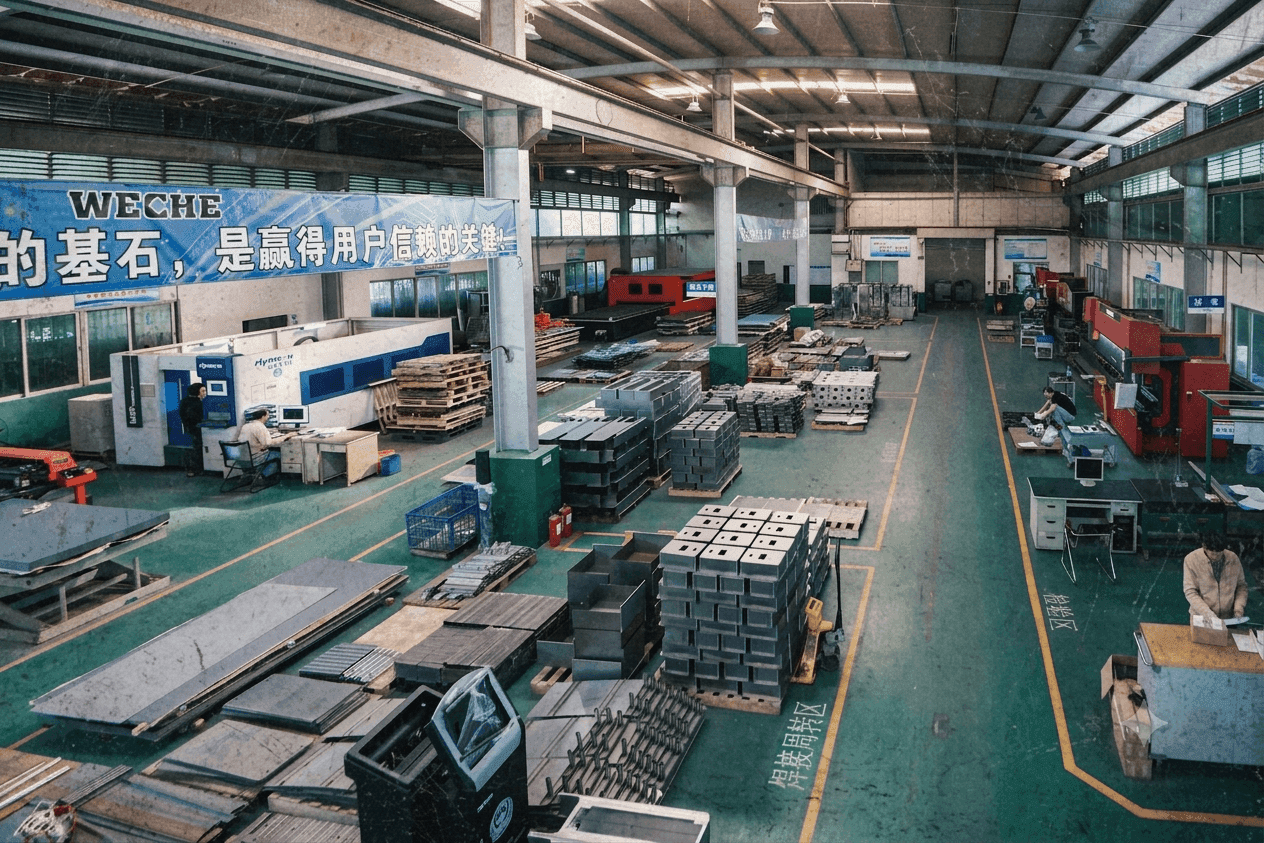
7 Sheet Metal Fabrication Techniques in Modern Manufacturing
2026-06-30Discover 7 core sheet metal fabrication techniques—from blanking and forming to joining and finishing—covering principles, uses, and cost efficiency for optimized manufacturing.
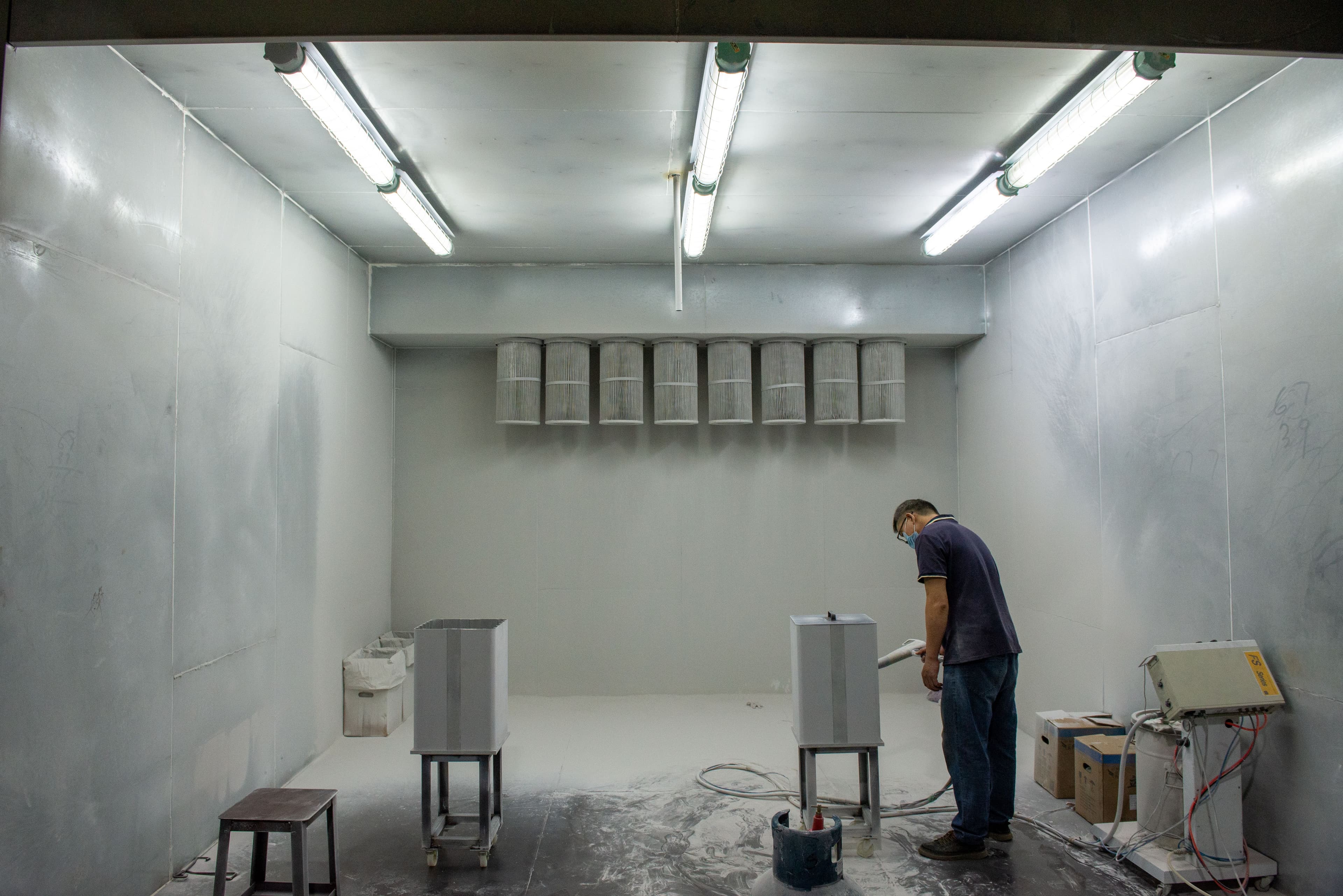
Why Is Powder Coating the Top Choice for Chassis and Cabinet Shells?
2026-07-15Powder coating offers excellent durability, corrosion resistance, and a uniform finish, making it ideal for protecting chassis and cabinet shells in demanding environments.

Get in Touch With us
Helping customers grow steadily and achieve win-win development

Your trusted partner for CNC machining, sheet metal fabrication, stamping, and assembly. From prototyping to mass production with strict quality control.
tel:
0769-82763299
Mobile:
+86 18988716988
fax:
0769-82763199
Address:
No.3 Longze Road, Chang'an Town, Dongguan City, Guangdong Province, China,523861


Copyright © 2008-2026 | Dongguan Longwang Hardware Co., Ltd. | All Rights Reserved.


