Guide to Sheet Metal Finishing Techniques: Applications, Pros & Cons
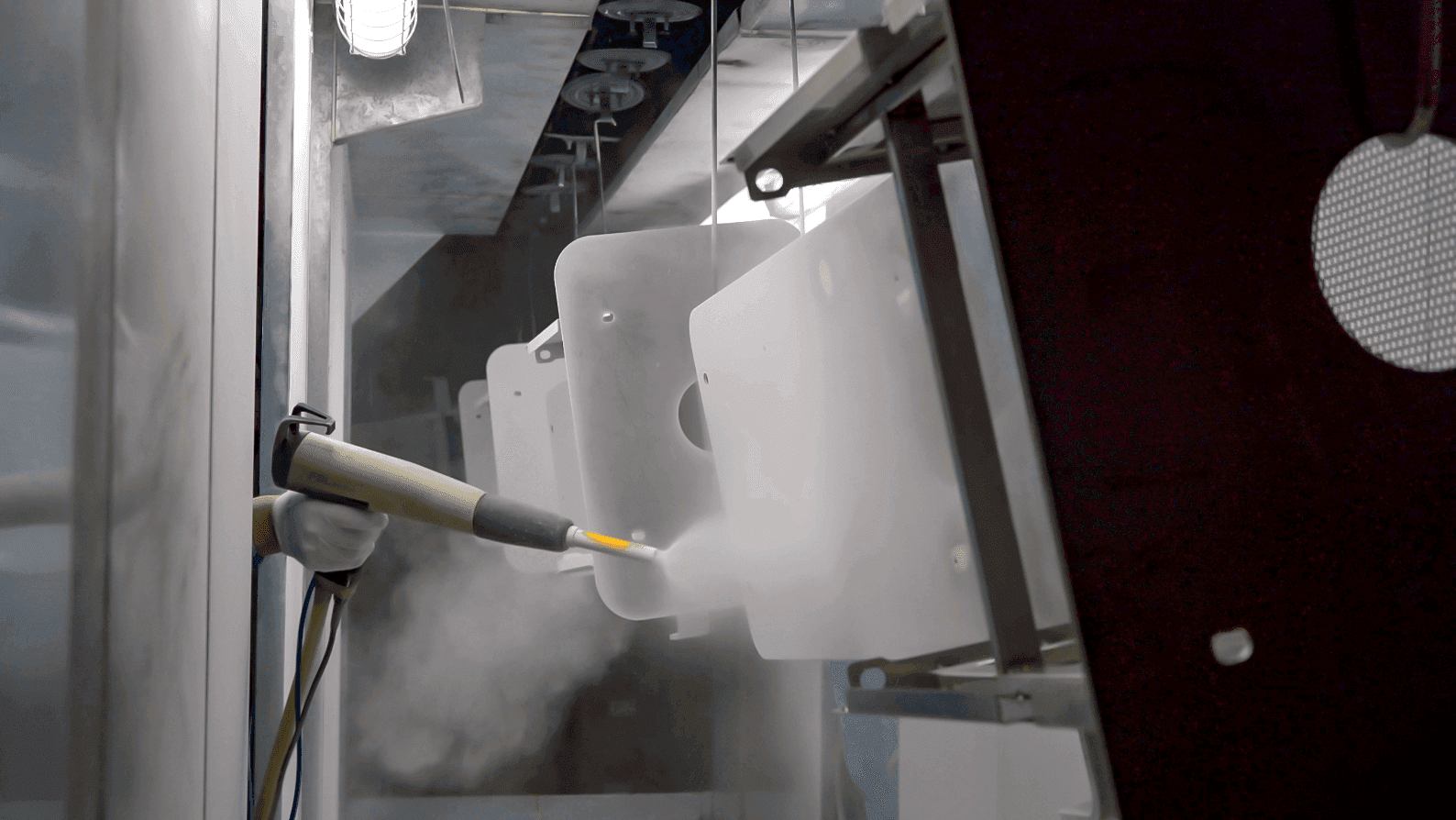
In custom sheet metal fabrication, precise cutting and bending are only part of the process. How a part functions in real-world conditions heavily depends on its final surface treatment. Without the right finish, even the most accurately machined bracket or enclosure can quickly fail due to oxidation, wear, or cosmetic degradation.
Next, we break down the leading finishing technologies, their industrial applications, and how to choose the right one to balance performance and cost.
In our 20 years on the shop floor, we have seen countless prototype failures that had nothing to do with dimensional tolerances and everything to do with raw, untreated metal. Sheet metal finishing serves three critical purposes:
Corrosion Protection: Unprotected carbon steels rust within days of exposure to humidity. Aluminum and stainless steel, while more resilient, still oxidize and pit under harsh industrial or marine environments.
Aesthetics and Surface Quality: Finishing covers up micro-scratches, tool marks from press brakes, and heat tint left by fiber lasers, giving the final product a professional, marketable appearance.
Mechanical and Electrical Properties: Specific coatings alter the physical properties of a part—improving wear resistance, reducing friction, adding electrical insulation, or conversely, maintaining surface conductivity for grounding.
When planning a project, finishes generally fall into three distinct categories:
Mechanical Finishes: These are subtractive or cold-working processes like graining, brushing, or bead blasting. They don't add material; instead, they prep the surface, deburr sharp edges, and leave a uniform texture.
Chemical and Electrochemical Barrier Coatings: Treatments like anodizing, passivation, and chemical conversion (such as Alodine) chemically alter the surface layer of the metal. These coatings are incredibly thin, meaning they offer great corrosion resistance without compromising tight dimensional tolerances.
Additive Coatings (Organic & Inorganic Paints): Wet painting and powder coating add a physical polymeric barrier on top of the metal. They offer the highest level of thickness and environmental shielding but require design adjustments for mating parts.
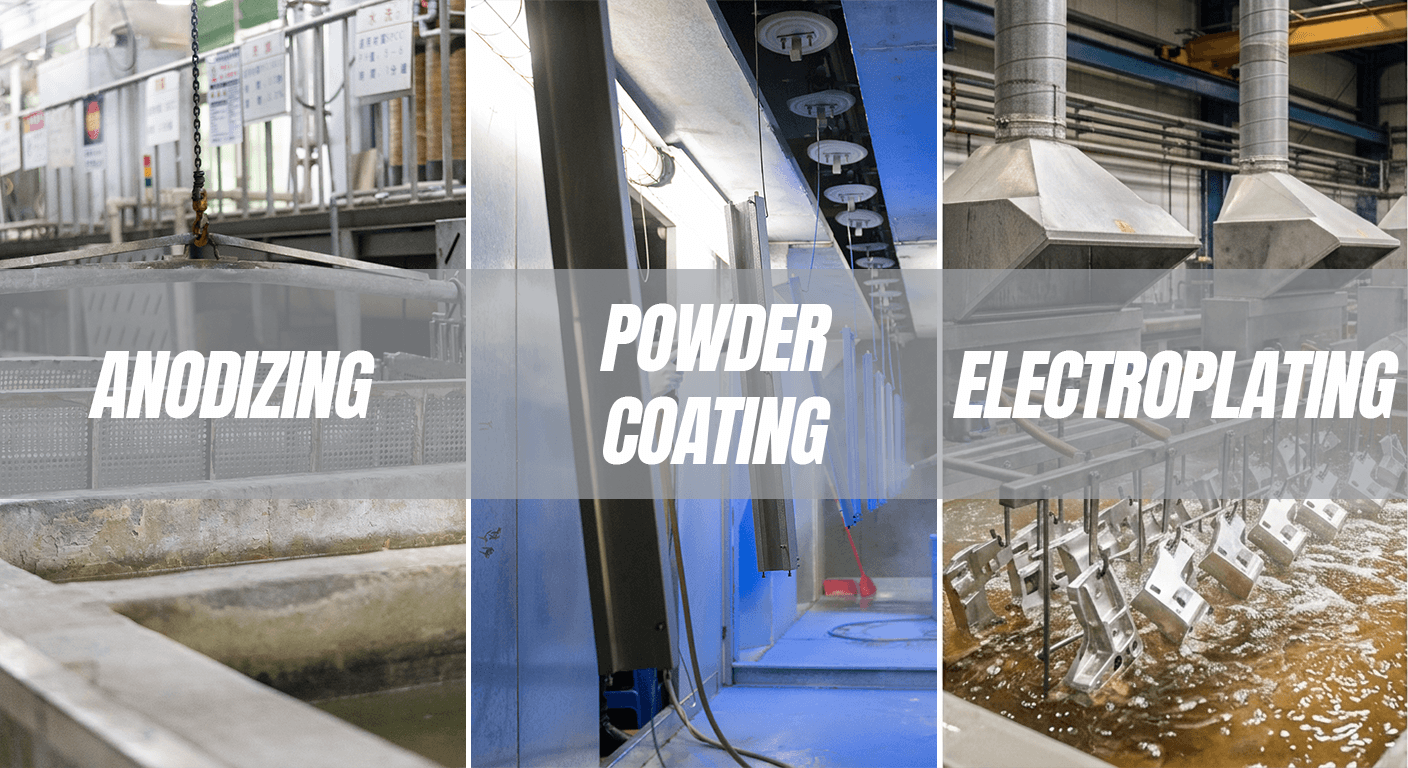
The Process: Electrostatically charged dry powder is sprayed onto a grounded metal part, which is then cured under heat (usually around 180°C to 200°C) to form a hard, continuous plastic-like skin.
Pros: Outstanding impact resistance, virtually unlimited color and texture choices, and zero VOCs (volatile organic compounds), making it highly environmentally friendly.
Cons: Adds significant thickness (typically 50μm to120μm), which can interfere with fine-threaded holes or slip-fit assemblies.
The Process: An electrochemical process exclusive to aluminum that converts the metal surface into a durable, corrosion-resistant anodic oxide finish. Type II is decorative/protective, while Type III (Hardcoat) is built for extreme wear.
Pros: Integrates directly with the aluminum substrate so it will never peel or flake. It maintains excellent dimensional tolerance (adding only 5μm to50μm) and acts as an electrical insulator.
Cons: Limited compatibility (works only on aluminum) and can show color variations across different alloy grades (e.g., matching 5052 and 6061 can be challenging).
The Process: Electroplating deposits a thin layer of another metal (such as zinc, nickel, or tin) onto the sheet metal surface through an acid bath and electrical current.
Pros: Zinc plating is highly cost-effective for indoor rust prevention. Nickel plating offers superb wear resistance, high corrosion shielding, and a premium metallic look while retaining electrical conductivity.
Cons: Potential for hydrogen embrittlement in high-strength steels; electroplating can also suffer from uneven thickness in deep recessed areas of complex sheet metal enclosures.
The Process: Passivation uses acid to remove free iron from stainless steel surfaces, maximizing its natural rust resistance. Alodine applies a thin chemical film to aluminum.
Pros: Zero dimensional change. Alodine provides light corrosion protection while keeping the aluminum surface electrically conductive for grounding applications.
Cons: Provides less physical protection against heavy wear or aggressive outdoor weathering compared to powder coating.
Selecting a finish is highly dependent on the operational environment of your end product:
Outdoor Enclosures & Energy Storage: Solar inverters, charging piles, and battery cabinets must withstand wind, rain, and UV rays for up to 15 years. The industry gold standard is a multi-stage pre-treatment (such as zinc phosphating) followed by a specialized outdoor-grade polyester powder coating to reliably pass 1000-hour salt spray testing.
Precision Medical & Electronic Components: Diagnostic equipment and server chassis require extreme cleanliness, zero outgassing, and tight tolerances. Designers typically specify clear anodizing for aluminum frames to prevent flaking, and zinc-plated steel with clear trivalent chromate for interior brackets to ensure electrical grounding.
Automotive & EV Structural Components: Battery trays, brackets, and sub-frames in electric vehicles are exposed to gravel impact, road debris, and splashing fluids beneath the chassis. For these hidden but highly critical structural components, aesthetics take a backseat to absolute durability. The industry standard mandates Electrophoretic Deposition, which uses an electric current to attract a uniform epoxy-based paint layer into every micro-crevice and welded seam of a complex assembly. This is often followed by a robust topcoat to guarantee maximum chip resistance and structural longevity.
Poor finishing yields scrap metal. To ensure high quality, watch out for these three common shop-floor defects:
The "Orange Peel" Effect: This occurs in powder coating when the powder is applied too thickly or cured at incorrect temperatures, causing a bumpy texture. Solution: Maintain strict control over gun distance, powder flow, and oven ramp-up times.
Outgassing and Bubbling: Commonly seen on cast parts or galvanized sheet metal (SGCC) when trapped moisture or air expands during oven heating, bursting through the cured paint layer. Solution: Pre-heat the parts to release trapped gases before powder application.
Poor Adhesion (Flaking and Peeling): This is almost always caused by inadequate pre-treatment. If cutting oils, rust-preventive lubricants, or fingerprint residues are not thoroughly washed off in a multi-stage chemical bath before coating, the finish will eventually peel. Solution: Insist on a structured multi-stage degreasing and rinsing cycle.
In sheet metal fabrication, surface finishing is never an afterthought—it must be planned during the early stages of structural design. Choosing the right technique ensures your parts survive their environment while keeping manufacturing costs within budget.
If you are working on a new design and are unsure about coating tolerances, salt-spray requirements, or masking zones, reach out to our engineering team today. Send over your 3D CAD files (STEP or IGS formats), and we will provide a comprehensive DFM assessment to optimize your project for production.
Next
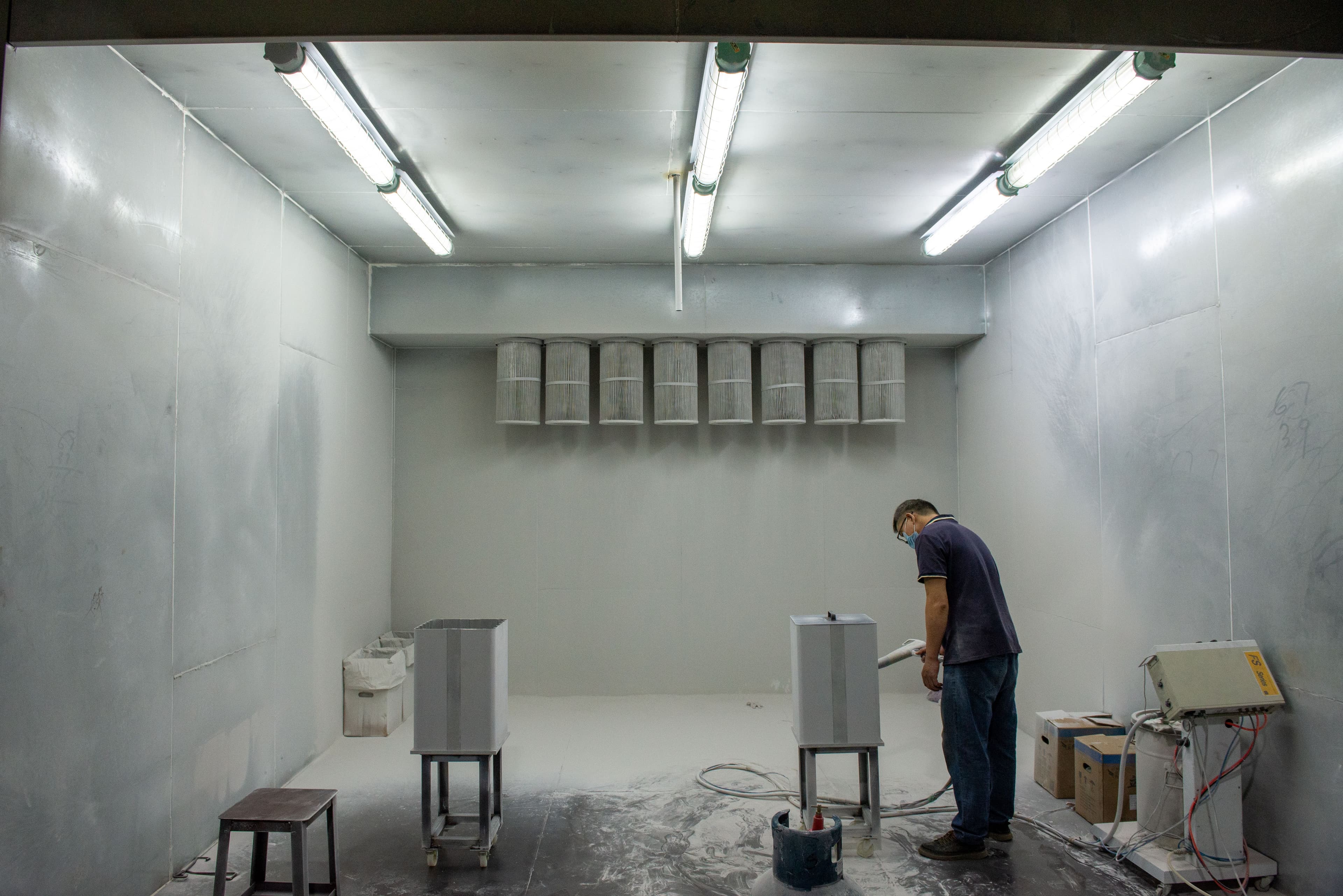
Why Is Powder Coating the Top Choice for Chassis and Cabinet Shells?
2026-07-15Powder coating offers excellent durability, corrosion resistance, and a uniform finish, making it ideal for protecting chassis and cabinet shells in demanding environments.
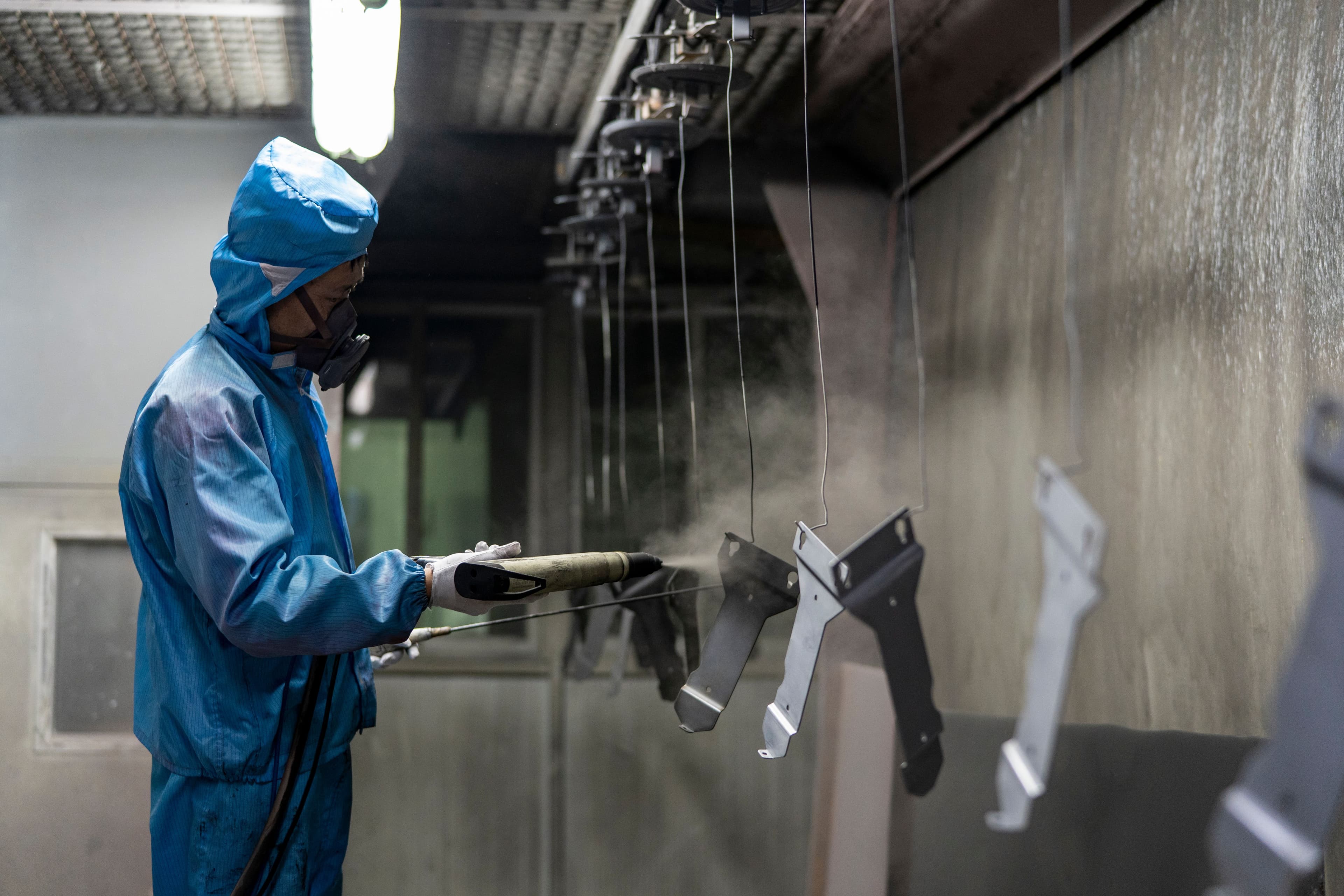
The Core Purpose of Powder Coating in Sheet Metal Fabrication
2026-07-20Discover why powder coating is the gold standard for sheet metal enclosures and brackets. Kown how it provides unbeatable rust shielding, flawless edge coverage, and durable textures while cutting long-term project costs.

Get in Touch With us
Helping customers grow steadily and achieve win-win development

Your trusted partner for CNC machining, sheet metal fabrication, stamping, and assembly. From prototyping to mass production with strict quality control.
tel:
0769-82763299
Mobile:
+86 18988716988
fax:
0769-82763199
Address:
No.3 Longze Road, Chang'an Town, Dongguan City, Guangdong Province, China,523861


Copyright © 2008-2026 | Dongguan Longwang Hardware Co., Ltd. | All Rights Reserved.


