What Is CNC Machining?
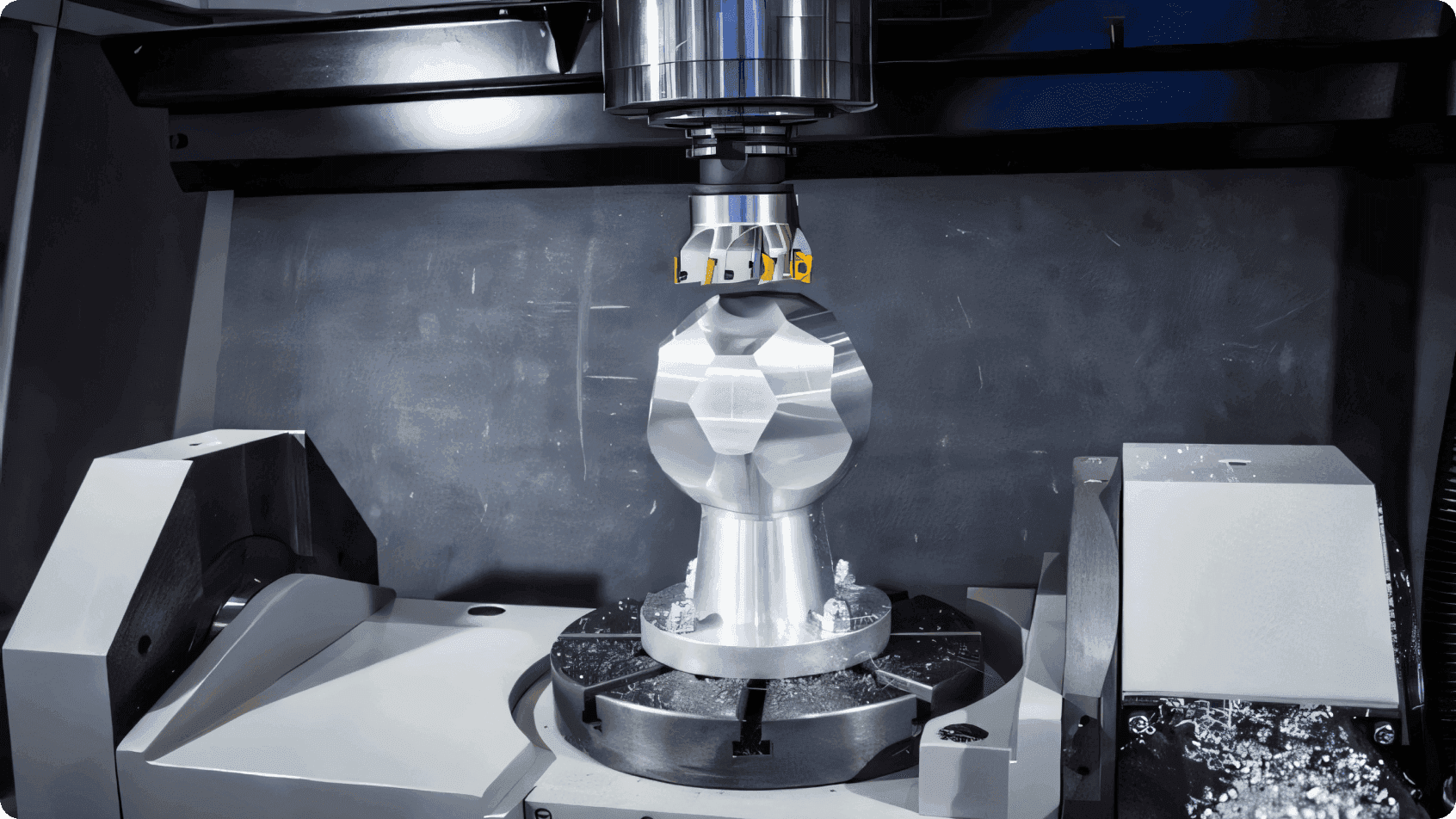
CNC machining, short for Computer Numerical Control machining, is a manufacturing process that uses pre-programmed computer software to control machine tools and produce precision parts from raw materials. By automating cutting, drilling, milling, turning, and other machining operations, CNC technology enables manufacturers to create highly accurate and repeatable components for industries such as automotive, aerospace, medical devices, electronics, and industrial equipment.
Unlike conventional manual machining, CNC machining minimizes human error and delivers consistent quality across both prototype and mass production runs. Modern CNC machines can process a wide range of materials, including aluminum, stainless steel, titanium, brass, copper, and engineering plastics.
Today, CNC machining is one of the most widely used manufacturing methods for producing complex parts with tight tolerances and superior surface finishes.
The CNC machining process begins with a digital design.
Engineers create a 2D or 3D model using CAD software. This model contains all dimensions, tolerances, and design requirements.
The CAD model is converted into machine-readable code through CAM software. The software generates tool paths and machining instructions known as G-code.
Operators install the raw material and cutting tools into the CNC machine and load the program.
The machine automatically performs cutting operations according to the programmed instructions. Depending on the part complexity, this may include milling, drilling, turning, threading, or contouring.
After machining, the part undergoes quality inspection and may receive additional surface treatments such as anodizing, powder coating, polishing, sandblasting, or plating.
This automated workflow enables manufacturers to achieve high accuracy while minimizing human error.
CNC machining is used because it offers exceptional precision, efficiency, and flexibility. Manufacturers rely on CNC technology to produce complex geometries that would be difficult or impossible to achieve through manual machining.
Some key advantages include:
• High dimensional accuracy and repeatability
• Fast production cycles and reduced lead times
• Ability to machine complex designs
• Consistent quality across large production volumes
• Compatibility with a wide range of materials
• Reduced labor costs and human error
These benefits make CNC machining an ideal solution for both rapid prototyping and full-scale production.
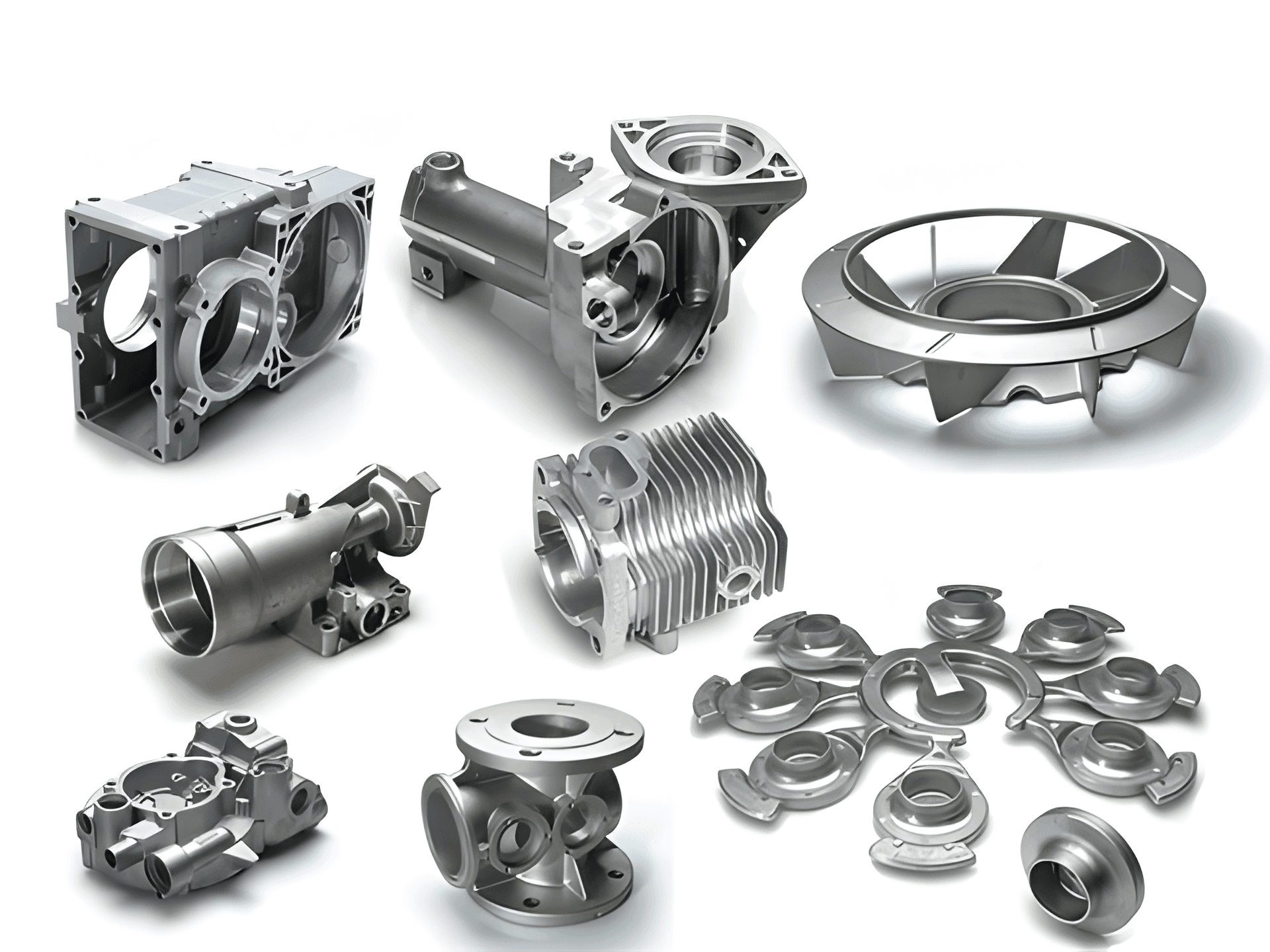
One of the biggest advantages of CNC machining is its material versatility. CNC machines can process metals, plastics, and specialty materials to meet different application requirements.
Common materials include:
• Aluminum 6061, 7075
• Stainless Steel 303, 304, 316
• Carbon Steel
• Brass
• Copper
• Titanium
• ABS
• POM (Delrin)
• Nylon
• Polycarbonate
• Acrylic
• PEEK
The choice of material depends on factors such as strength, weight, corrosion resistance, thermal performance, and cost.
CNC machining is known for its outstanding precision. Depending on the machine type, material, and part complexity, tolerances can typically reach ±0.05 mm, while high-precision applications may achieve ±0.01 mm or better.
This level of accuracy is essential for industries where component performance and assembly reliability are critical, such as aerospace systems, medical devices, and automotive components.
Advanced CNC equipment, combined with strict quality inspection processes, ensures that every part meets exact design specifications.
Tolerance Application
±0.10 mm General Industrial
±0.05 mm Automotive
±0.02 mm Electronics
±0.01 mm Medical & Aerospace
CNC machining supports a wide range of industries that require precision-engineered components.
Manufacturing engine components, brackets, housings, and performance parts.
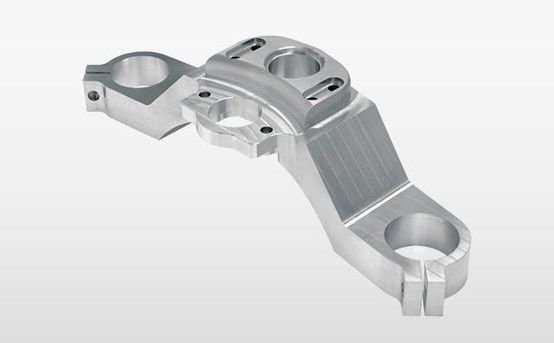
Producing surgical instruments, implants, and diagnostic equipment components.
Creating lightweight, high-strength parts with strict dimensional requirements.
Manufacturing enclosures, heat sinks, connectors, and structural components.
Producing machine parts, automation components, and custom tooling.
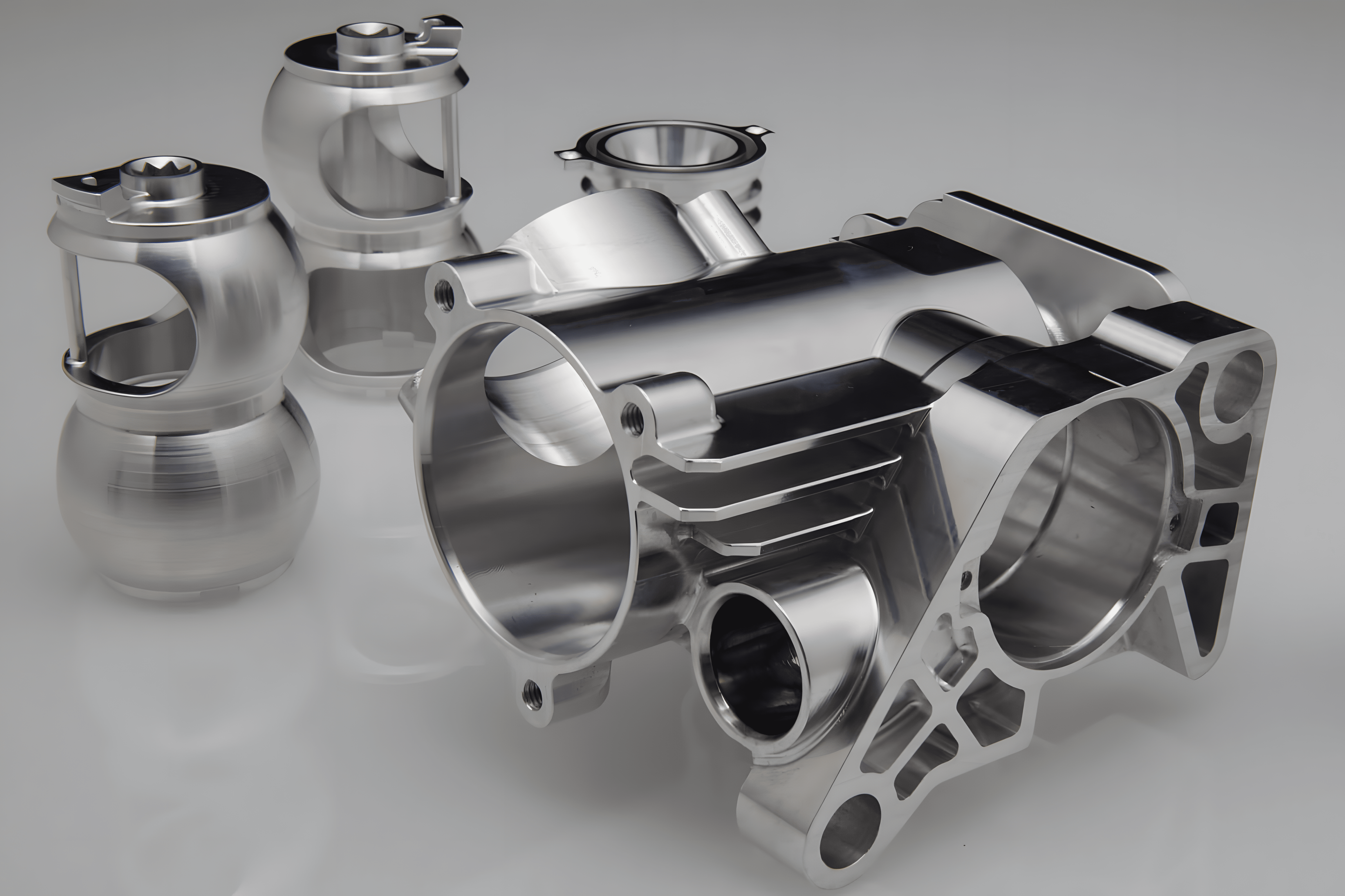
As technology continues to evolve, CNC machining remains a critical manufacturing solution for innovative products across nearly every industry.
CNC machining has transformed modern manufacturing by delivering unmatched precision, efficiency, and scalability. Whether producing a single prototype or thousands of production parts, CNC technology enables manufacturers to achieve consistent quality while reducing production time and costs. With its ability to machine complex geometries and a wide range of materials, CNC machining continues to be the preferred manufacturing process for businesses seeking reliable, high-performance components.
Next
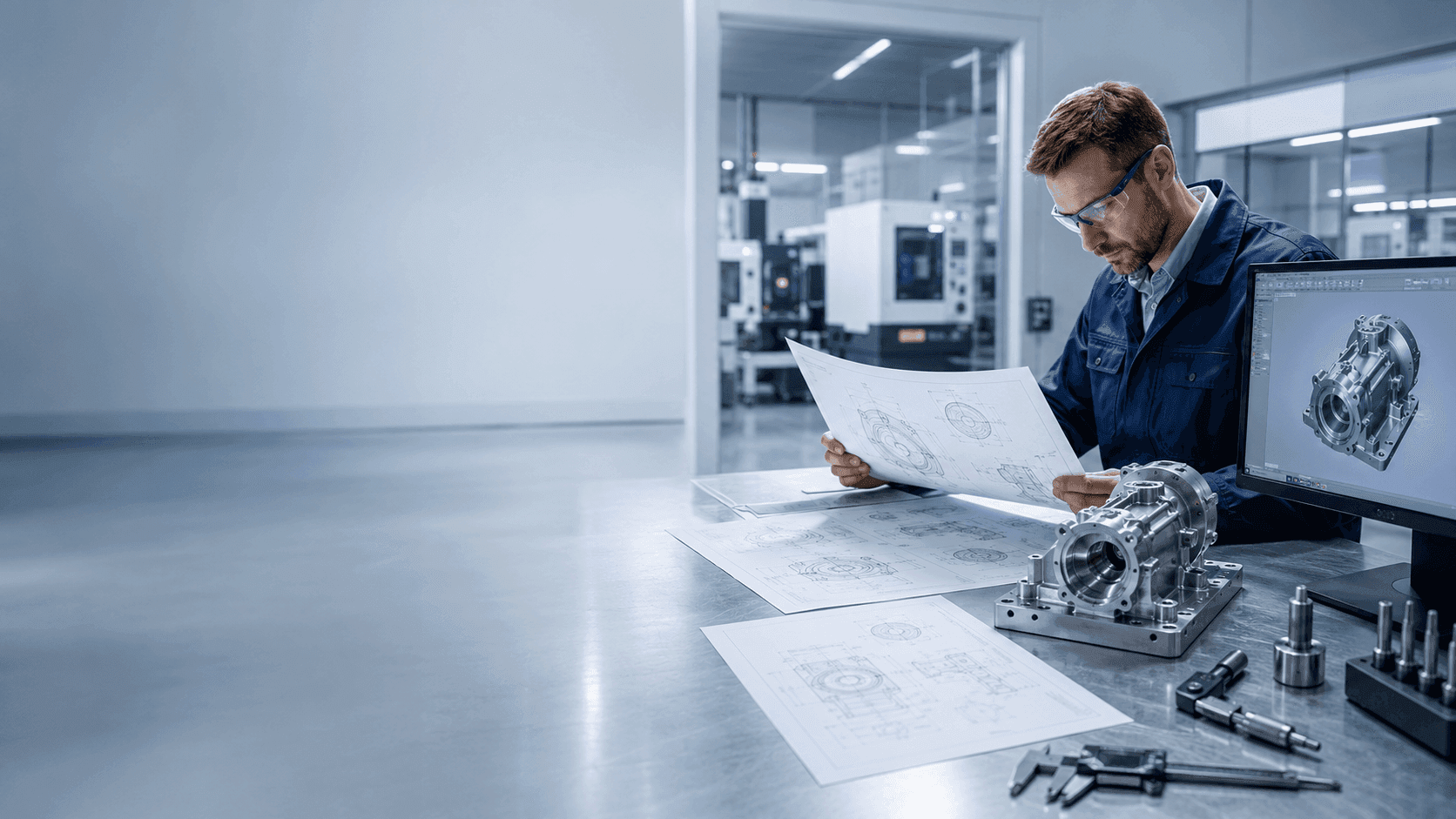
How to Design Parts for CNC Machining?
2026-04-03Learn how to design parts for CNC machining with this comprehensive guide covering tolerances, undercuts, thin walls, and best practices for complex custom parts.
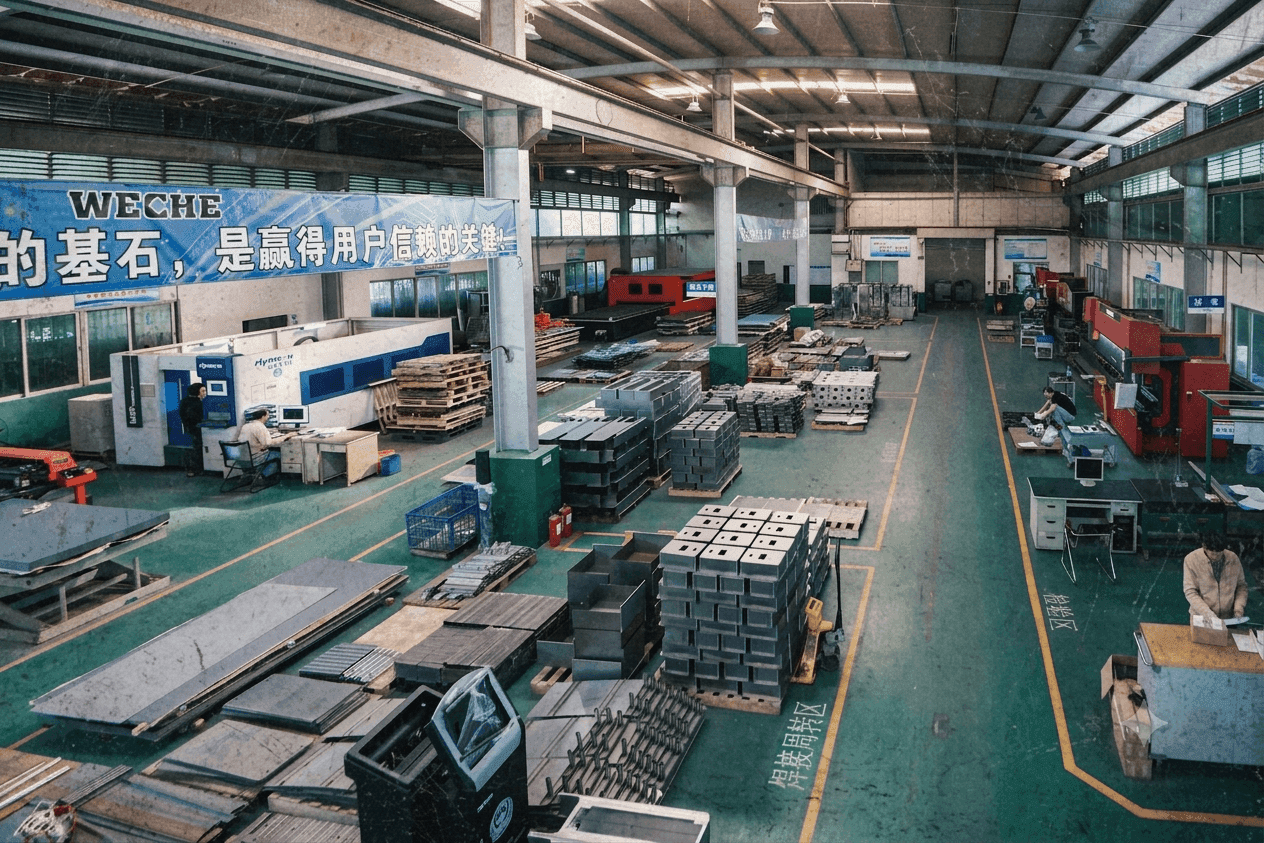
7 Sheet Metal Fabrication Techniques in Modern Manufacturing
2026-06-30Discover 7 core sheet metal fabrication techniques—from blanking and forming to joining and finishing—covering principles, uses, and cost efficiency for optimized manufacturing.

Get in Touch With us
Helping customers grow steadily and achieve win-win development

Your trusted partner for CNC machining, sheet metal fabrication, stamping, and assembly. From prototyping to mass production with strict quality control.
tel:
0769-82763299
Mobile:
+86 18988716988
fax:
0769-82763199
Address:
No.3 Longze Road, Chang'an Town, Dongguan City, Guangdong Province, China,523861


Copyright © 2008-2026 | Dongguan Longwang Hardware Co., Ltd. | All Rights Reserved.


