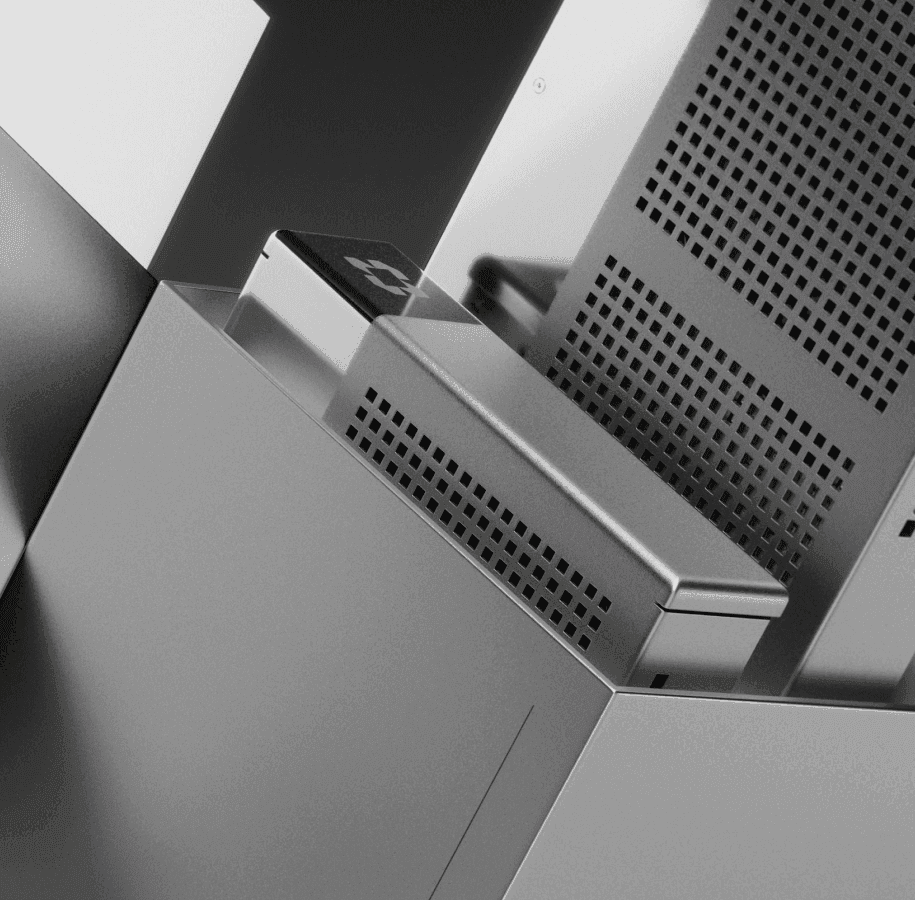
Stainless Steel in Stamping
Longwang provides stainless steel stamping services, including industrial equipment, electronics, automotive, smart home products, communication devices, machinery, and custom non-standard components.
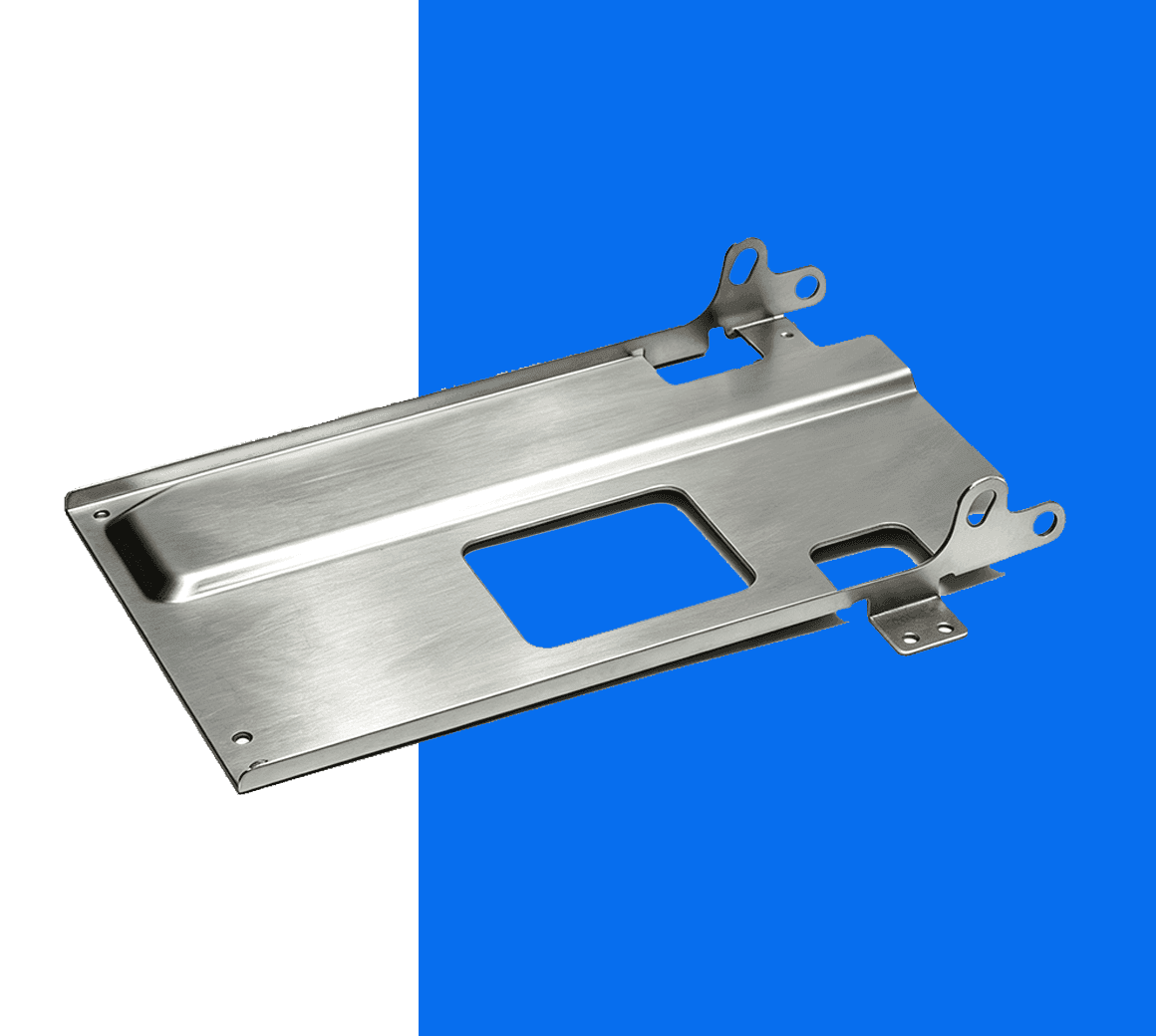
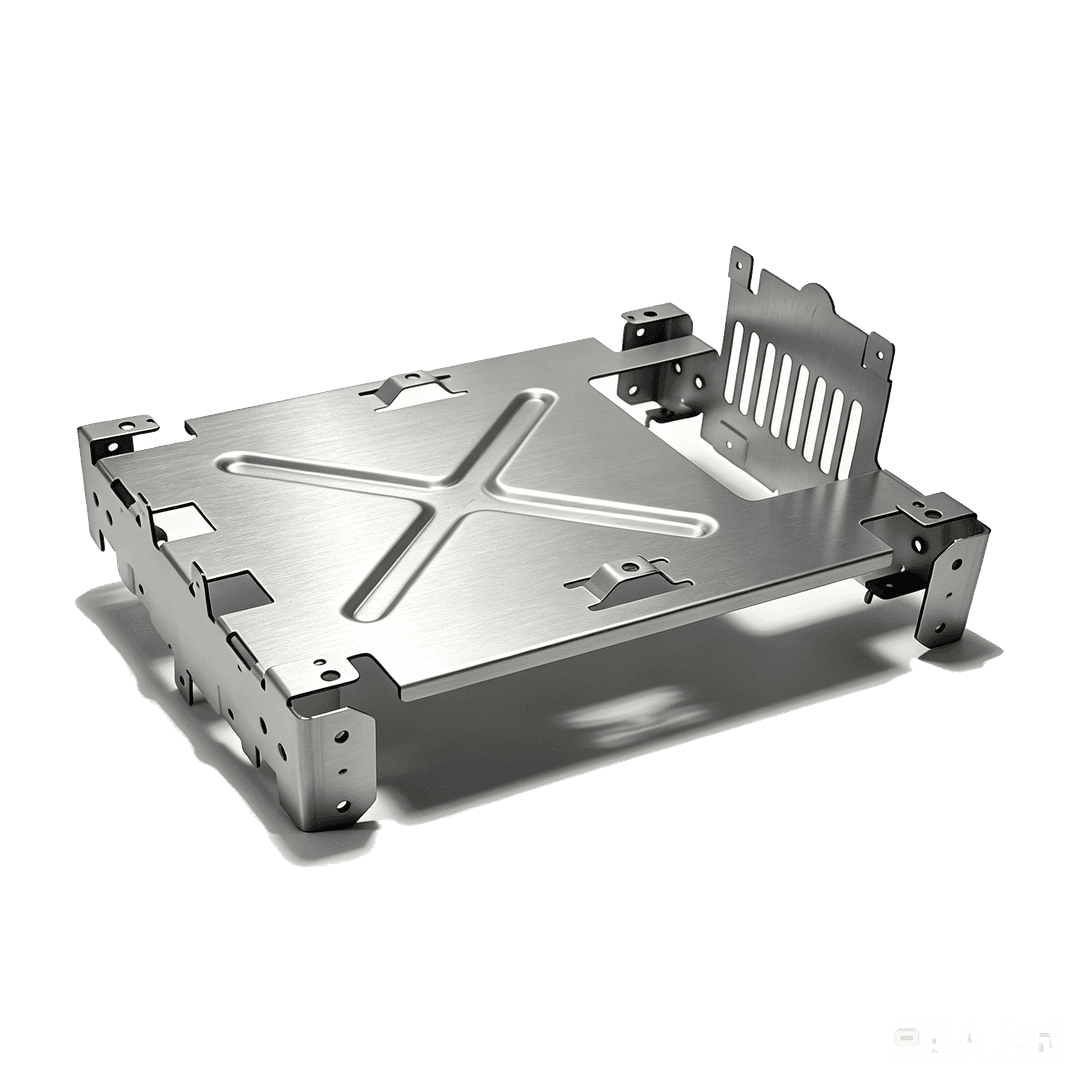
For a long time, stainless steel has been a fundamental, high-performance, and mainstream material in sheet metal stamping, dominating applications that demand corrosion resistance, structural rigidity, and superior surface finish. Stainless steel alloys—ranging from austenitic grades (such as the commonly stamped 304, 304L, and 316L) and ferritic grades (like 430) to specialized deep-drawing grades—support a full suite of core stamping processes, including bending, blanking, punching, deep drawing, flanging, embossing, and high-speed progressive die stamping. Thanks to its unmatched combination of material properties, it is the material of choice across diverse industries, with applications spanning food service equipment, medical devices, and chemical processing hardware to architectural décor, home appliances, and industrial enclosures. Its naturally forming chromium oxide passivation layer provides durable, self-healing corrosion resistance, eliminating the need for secondary anti-rust surface treatments; fully annealed austenitic grades offer elongation exceeding 40%, enabling the forming of complex, deep-drawn parts; furthermore, its inherent high tensile strength provides exceptional structural rigidity for load-bearing stamped components, often obviating the need for additional structural reinforcement.
It is worth noting that while aluminum has emerged as a viable and rapidly growing alternative in sheet metal manufacturing, it cannot fully replace stainless steel. For high-load structural components, high-temperature operating environments, and applications exposed to harsh chemical or marine corrosive conditions, stainless steel remains irreplaceable due to its superior strength and chemical resistance. Aluminum is best positioned as a flexible, high-value alternative that allows manufacturers to select the optimal base material based on specific project requirements—such as performance, weight, cost, and sustainability—rather than being confined to a "one-size-fits-all" stainless steel solution.
The preferred choice for general-purpose applications, this is the most widely used stainless steel grade for stamping on the market. It is compatible with the vast majority of standard sheet metal processes and offers excellent die compatibility, making it ideal for a wide range of stamped parts such as equipment enclosures and cabinets, kitchenware and tableware, food processing equipment, industrial housings, and decorative sheet metal components.
A common high-corrosion-resistance grade; while its formability is similar to that of 304, its higher alloy content results in a faster work-hardening rate and slightly greater springback and die wear during stamping. It is widely used for sheet metal in highly corrosive outdoor environments, as well as for chemical processing equipment, medical instruments, and stamped parts for marine engineering.
This is a standard grade specifically designed for deep drawing, featuring optimized cold-forming properties—such as low yield strength and high ductility—and a limiting drawing ratio far superior to standard 304 stainless steel. It resists cracking and wrinkling during deep-drawing processes, making it the go-to material for stainless steel sinks, tableware, tanks, and complex deep-drawn sheet metal components.
It is ideally suited for achieving high strength and high elasticity through light stamping or bending. The material undergoes a significant increase in hardness upon stamping and offers excellent resistance to loss of spring force; it is specifically designed for components—such as retaining strips, fasteners, and precision connectors—that require high strength after the stamping process.
Although its formability is not quite as good as that of 304, it is fully adequate for standard blanking, punching, shallow forming, and bending operations. It exhibits greater springback than 304 and lacks the intense work-hardening effect associated with deep drawing 304; however, excessive stretching can easily lead to localized thinning or rupture. It is commonly used for home appliance panels, architectural decorative sheet metal, shallow-drawn sinks, and tableware.
This low-cost ferritic stainless steel, which offers resistance to high-temperature oxidation and cavitation erosion, is specifically designed for high-temperature exhaust environments; featuring good weldability and formability, it is the material of choice for automotive mufflers and exhaust pipes.
Stainless steel stamping parts often require surface finishing to improve corrosion resistance, appearance, durability, and product performance. At Longwang, we provide multiple finishing options for stainless steel parts after stamping.
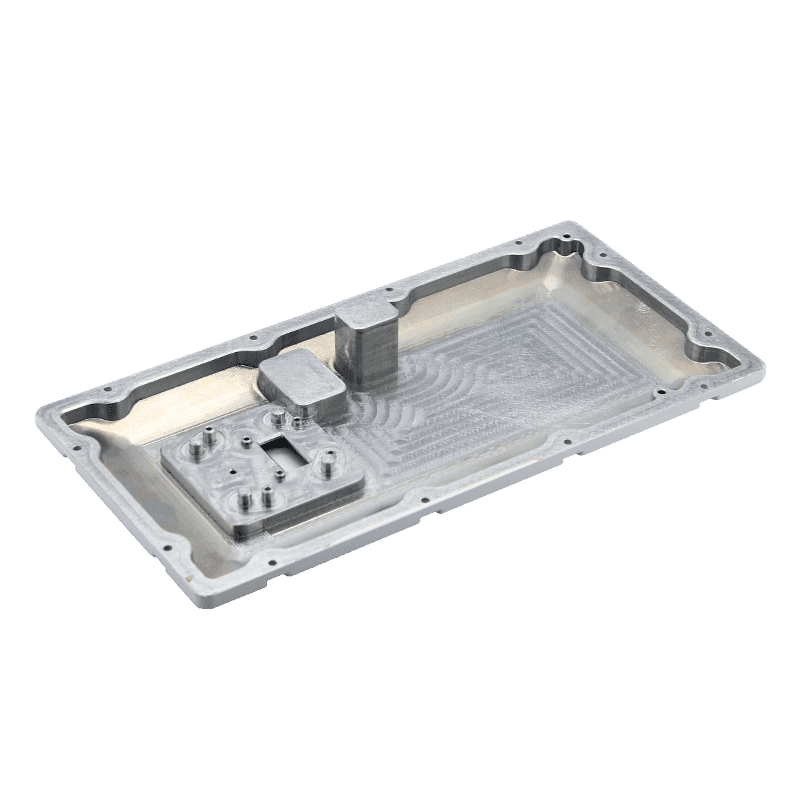
As Machined
Standard finish, surface roughness of 3.2 μm (126 μin), removes sharp edges and deburs parts cleanly.
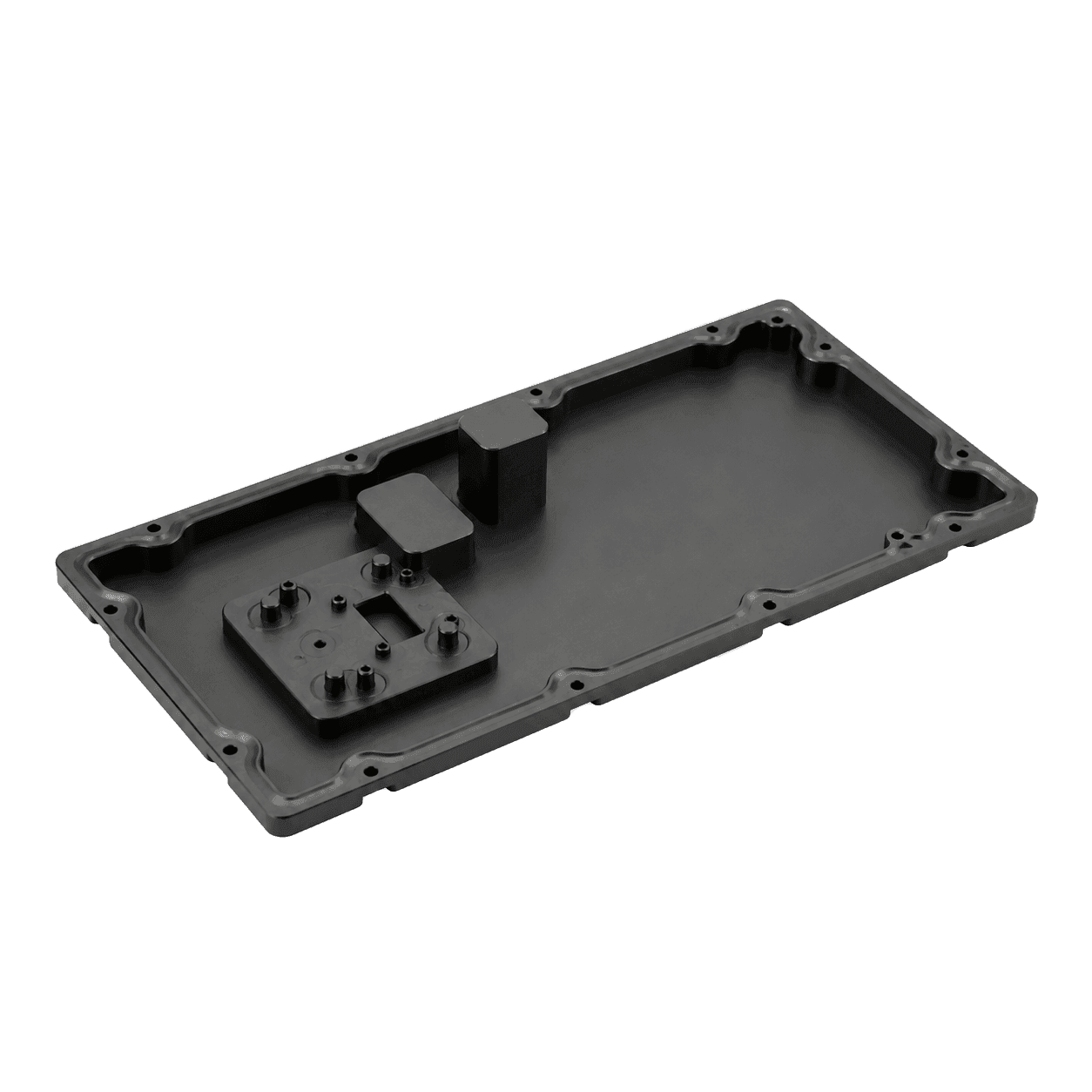
Heat Treatment
Alters the physical (and sometimes chemical) properties of a material to achieve desired mechanical properties.
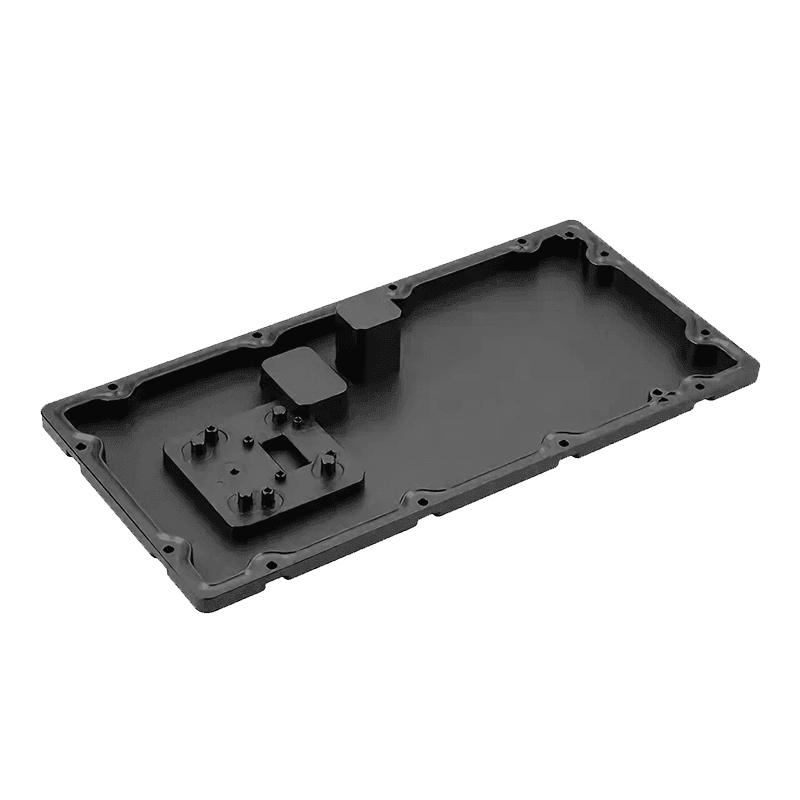
Teflon Coating
Applies a protective layer of PTFE to reduce friction and enhance corrosion resistance.
Stainless Steel is one of the most practical materials for stamping because it combines strength, availability, formability, and cost efficiency. It is suitable for both prototypes and batch production, but different stainless steel grades require different surface protection and process control.
pros
cons
Stainless steel stamping is widely used in industrial equipment, electronics, automotive, smart home products, communication devices, machinery, and custom non-standard components. With stamping, powder coating, automated spraying, assembly support, and strict quality inspection, Longwang helps customers produce reliable stainless steel stamping parts from prototype to batch production.
Your Comprehensive Metal Manufacturing Solution Provider
We offer both rapid prototyping and large-scale production, utilizing over 700 machines and experienced engineers to deliver high quality CNC parts with minimal compromise on lead time or consistency.
For precision CNC machining, we hold tolerances as tight as ±0.01mm. For sheet metal fabrication, our standard tolerance is ±0.1mm, depending on design complexity.
We process a wide range of metals including Aluminum (6061, 7075), Stainless Steel (304, 316), Titanium, Copper, Brass, and various specialty alloys.
Yes. We offer fast-turnaround prototyping to help you verify designs and functional requirements before scaling to high-volume manufacturing.
Yes, we are IATF 16949 certified for the automotive industry, along with ISO 9001 and ISO 14001 certifications to ensure global quality standards.
Prototypes usually take 3-7 days. Mass production lead times vary from 2-4 weeks depending on the project scale and secondary finishing requirements.
Yes. We have an integrated eco-friendly coating line and offer anodizing, plating, sandblasting, and laser engraving as part of our one-stop service.
Simply upload your CAD drawings (STEP, IGS, or PDF) via our contact form. Our engineers will provide a technical assessment and quote within 24 hours.
Sheet Metal Fabrication Resources
Guides, design tips, and best practices for efficient, high-quality sheet metal fabrication.
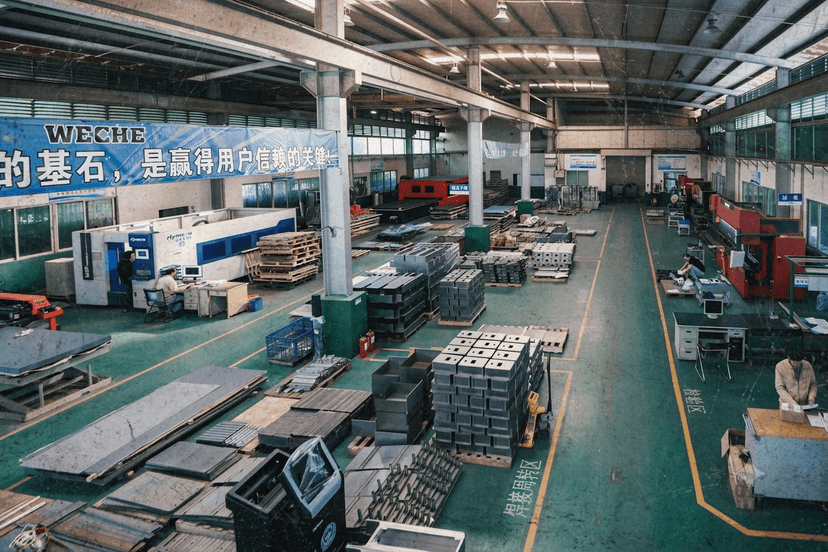
7 Sheet Metal Fabrication Techniques in Modern Manufacturing
2026-06-30Discover 7 core sheet metal fabrication techniques—from blanking and forming to joining and finishing—covering principles, uses, and cost efficiency for optimized manufacturing.
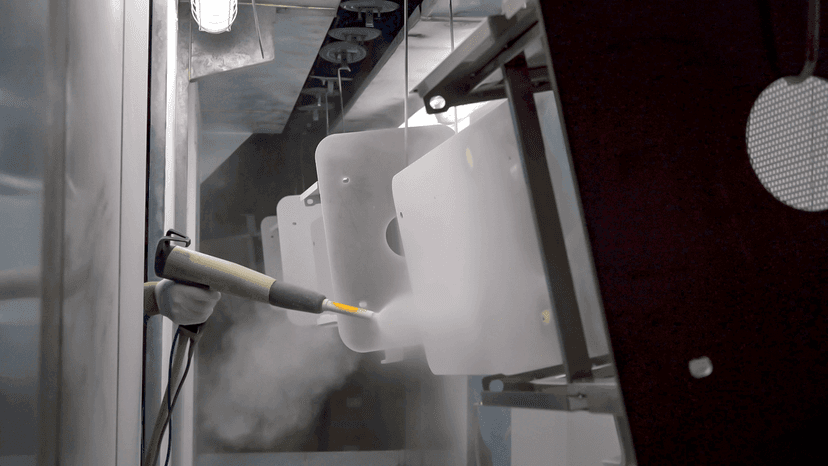
Guide to Sheet Metal Finishing Techniques: Applications, Pros & Cons
2026-07-17This guide explores common sheet metal finishing techniques, outlining their applications, advantages, and limitations to help you select the most suitable process for performance, durability, and appearance requirements.
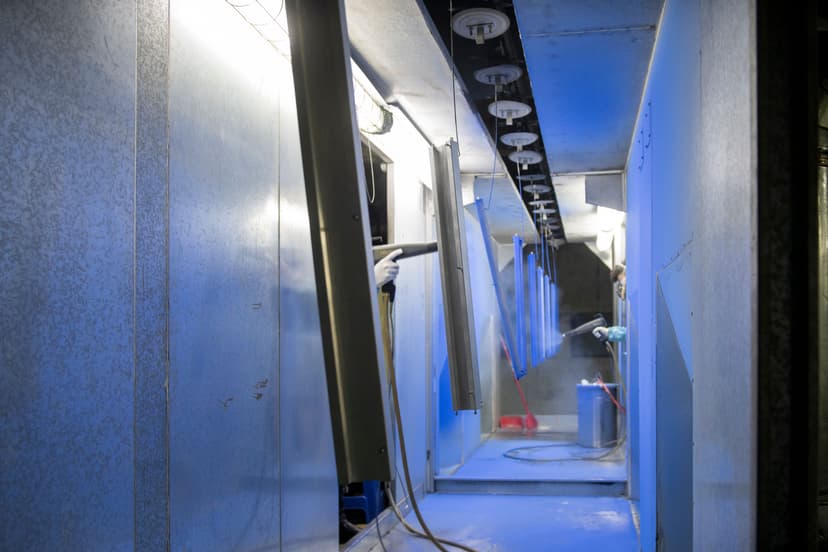
Why Surface Treatment Matters in Sheet Metal Fabrication
2026-07-07Surface treatment plays a key role in improving the durability, corrosion resistance, and appearance of sheet metal parts. It enhances performance, extends service life, and meets functional and aesthetic requirements across various industries.

Get in Touch With us
Helping customers grow steadily and achieve win-win development

Your trusted partner for CNC machining, sheet metal fabrication, stamping, and assembly. From prototyping to mass production with strict quality control.
tel:
0769-82763299
Mobile:
+86 18988716988
fax:
0769-82763199
Address:
No.3 Longze Road, Chang'an Town, Dongguan City, Guangdong Province, China,523861


Copyright © 2008-2026 | Dongguan Longwang Hardware Co., Ltd. | All Rights Reserved.