Copper
Excellent electrical and thermal properties, ductile, antimicrobial, and enhances heat transfer. Copper offers excellent electrical and thermal conductivity in CNC machining, but its softness and tendency to cause tool adhesion necessitate the use of sharp cutting tools and ample cooling. Various alloy grades enable a balance of strength, wear resistance, and machinability, meeting diverse application requirements.
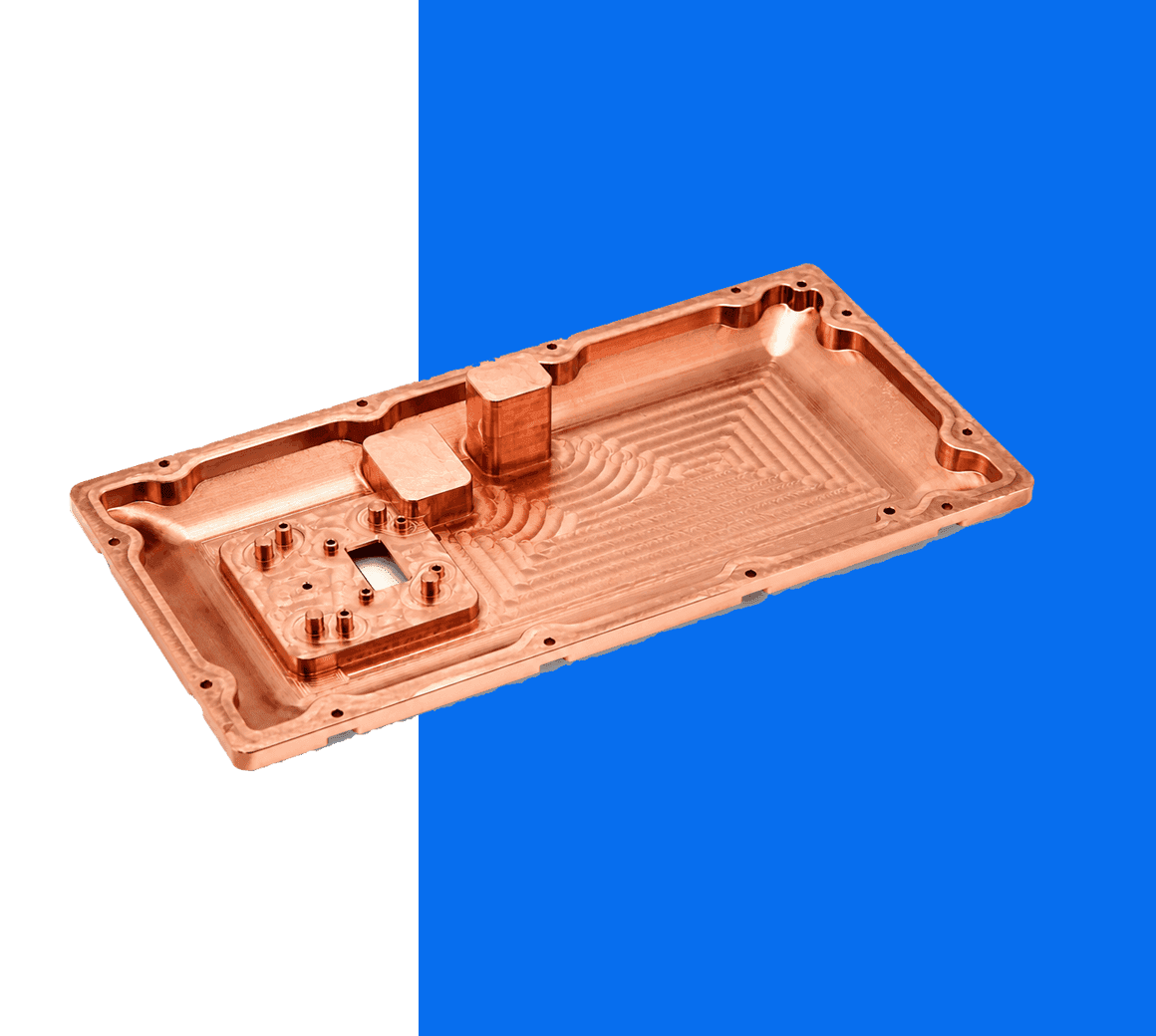
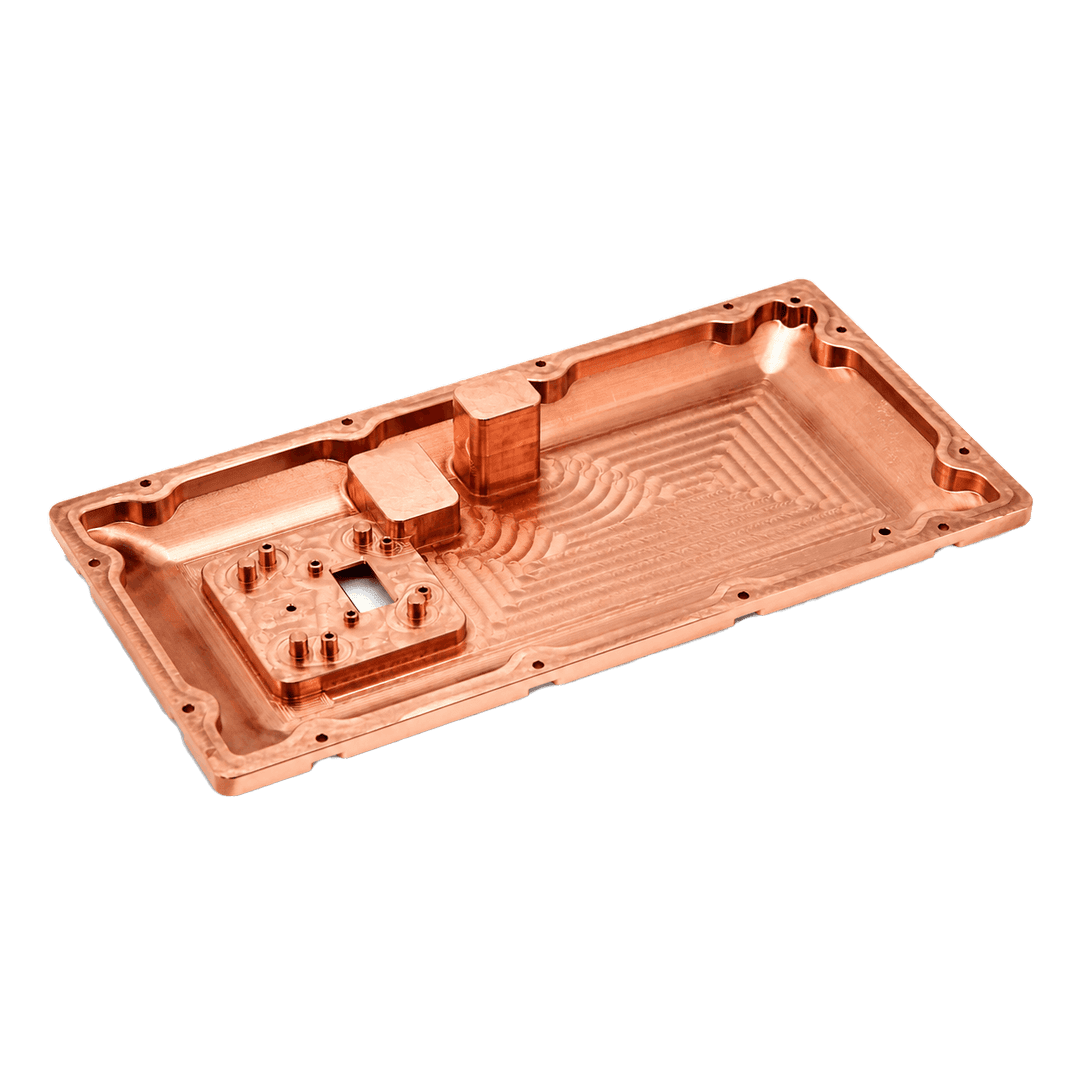
Copper and its alloys are widely used in CNC machining, serving as critical materials in the electronics, automotive, and aerospace sectors due to their excellent electrical conductivity, thermal conductivity, and corrosion resistance. However, pure copper is soft and prone to adhesion (sticking to the cutting tool), therefore, successful machining requires sharp tools, ample cooling, and optimized parameters. By selecting specific alloy grades, such as wear-resistant aluminum bronze, high strength beryllium copper, or free-machining tellurium copper, manufacturers can effectively balance strength, hardness, and machinability while further enhancing performance through heat treatment. Capable of producing a diverse range of components from precision electrical connectors to heavy-duty bearings, these materials offer an ideal alternative to steel for achieving lightweight and functionally optimized designs.
In CNC machining, the cutting performance of copper varies depending on the grade: pure copper (such as C101) has fast thermal conductivity but is prone to built-up edge, making it suitable for high-speed, light cutting; brass (such as C360) contains lead, making it easy to break chips and has a high surface finish, making it the first choice for threads and thin-walled parts; beryllium copper (C172) has strength comparable to alloy steel after heat treatment, but it causes significant tool wear, requiring the use of carbide and low-speed heavy cutting. High-pressure water-based coolant is recommended during machining, as it can both cool the surface and flush away entangled chips. Copper gaskets can be added to the fixture contact surfaces to protect the surface. A finishing allowance of 0.2-0.5mm should be left, and a mirror finish can be achieved with diamond tools. Post-processing, such as passivation or sandblasting, can further improve corrosion resistance and appearance.
Also known as oxygen-free copper, this alloy is renowned for its high electrical and thermal conductivity. It is ideal for applications that require superior conductivity and ductility.
A high performance "engineering-grade" copper alloy. Its core advantage lies in the perfect combination of high strength, superior wear resistance, and excellent corrosion resistance (particularly against seawater).
Features extremely high strength, wear resistance, and fatigue resistance. Used in aerospace applications, molds, and explosion-proof tools. Note: Precautions against beryllium dust are required during processing.
After CNC machining, copper parts can undergo a wide range of surface treatments, such as sandblasting, barrel polishing, electropolishing, Alodine conversion coating, Teflon coating, electrophoresis, and painting. These processes not only significantly enhance the parts' visual quality and luster but also improve physical properties like corrosion and wear resistance. Additionally, they effectively mask minor machining imperfections, thereby extending service life and meeting diverse application requirements.
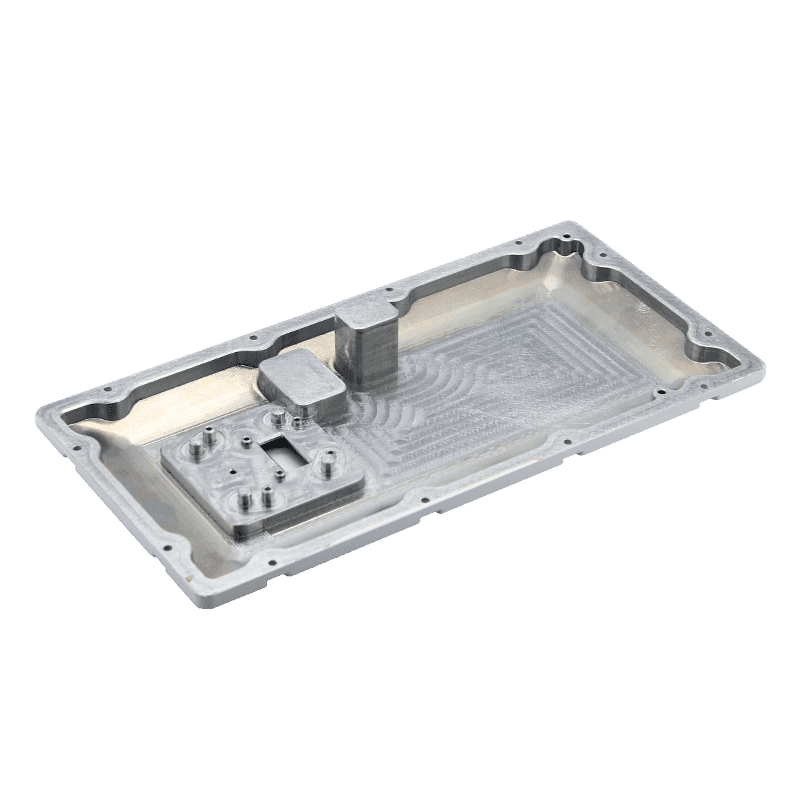
As Machined
Standard finish, surface roughness of 3.2 μm (126 μin), removes sharp edges and deburs parts cleanly.
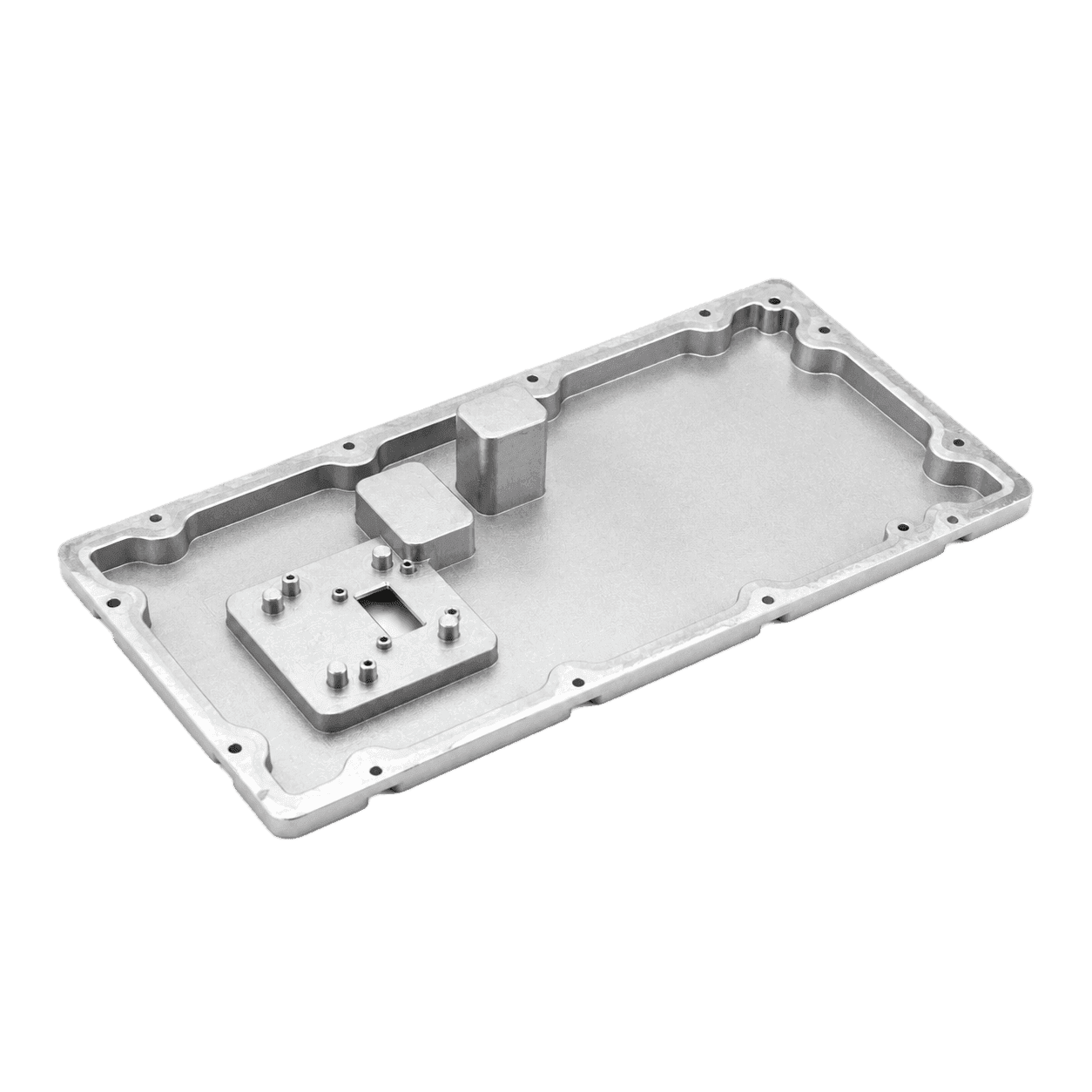
Tumbling
Utilizes barrel or vibratory processes with abrasives to smooth and polish the surface of parts.
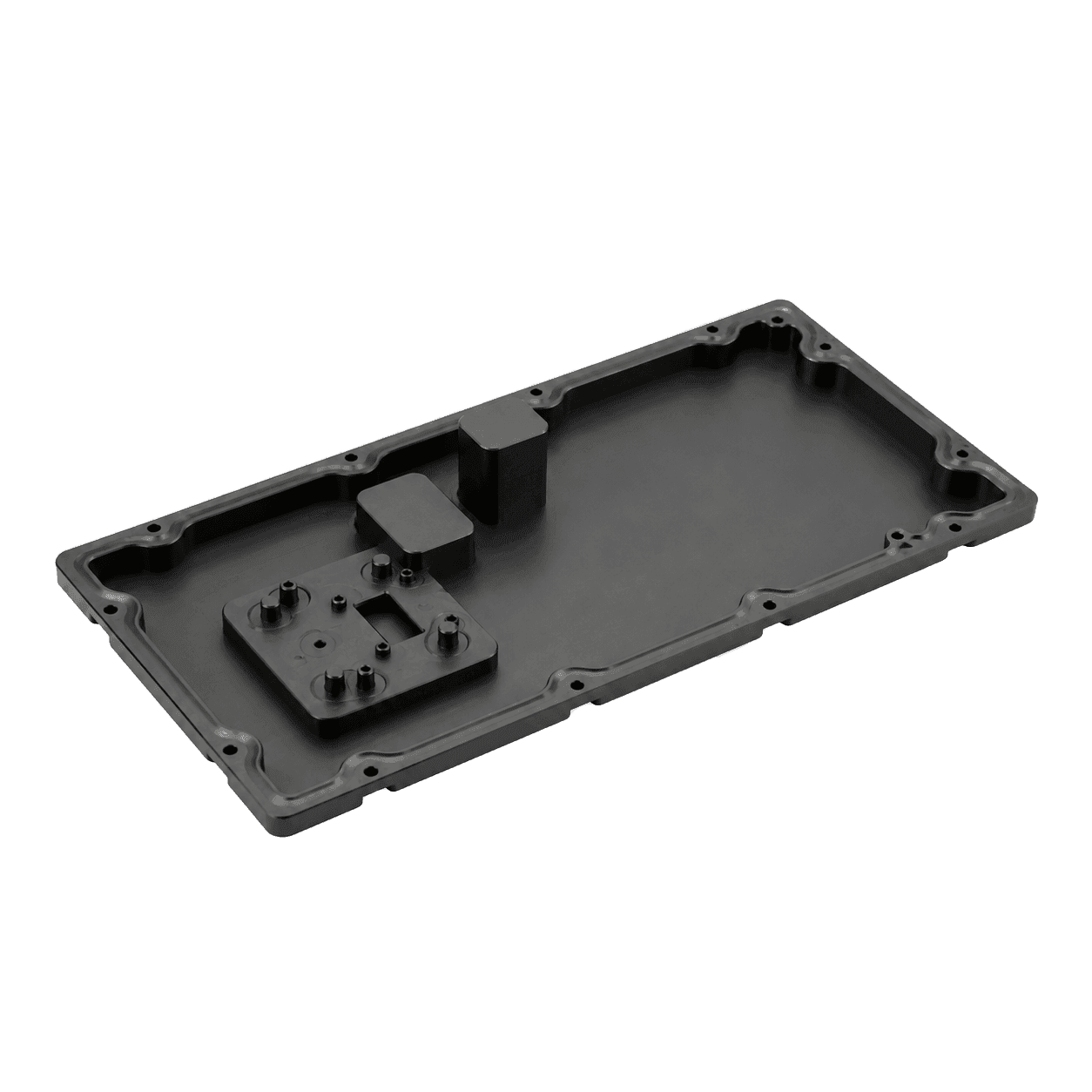
Heat Treatment
Alters the physical (and sometimes chemical) properties of a material to achieve desired mechanical properties.
Copper has numerous advantages that make it well-suited for CNC machining processes. Nevertheless, it is important to consider certain drawbacks of aluminum parts machining before deciding to use it for any project.
pros
cons
Copper is widely used in several industries. Its exceptional thermal and electrical conductivity make it an obvious choice for high-power electrical applications, like the magnetrons found in microwave ovens. Given the surge in electronic vehicles (EVs), there has been a corresponding rise in the demand for copper wiring. Other essential applications of CNC machined copper parts include:
Your Comprehensive Metal Manufacturing Solution Provider
We offer both rapid prototyping and large-scale production, utilizing over 700 machines and experienced engineers to deliver high quality CNC parts with minimal compromise on lead time or consistency.
For precision CNC machining, we hold tolerances as tight as ±0.01mm. For sheet metal fabrication, our standard tolerance is ±0.1mm, depending on design complexity.
We process a wide range of metals including Aluminum (6061, 7075), Stainless Steel (304, 316), Titanium, Copper, Brass, and various specialty alloys.
Yes. We offer fast-turnaround prototyping to help you verify designs and functional requirements before scaling to high-volume manufacturing.
Yes, we are IATF 16949 certified for the automotive industry, along with ISO 9001 and ISO 14001 certifications to ensure global quality standards.
Prototypes usually take 3-7 days. Mass production lead times vary from 2-4 weeks depending on the project scale and secondary finishing requirements.
Yes. We have an integrated eco-friendly coating line and offer anodizing, plating, sandblasting, and laser engraving as part of our one-stop service.
Simply upload your CAD drawings (STEP, IGS, or PDF) via our contact form. Our engineers will provide a technical assessment and quote within 24 hours.
Sheet Metal Fabrication Resources
Guides, design tips, and best practices for efficient, high-quality sheet metal fabrication.
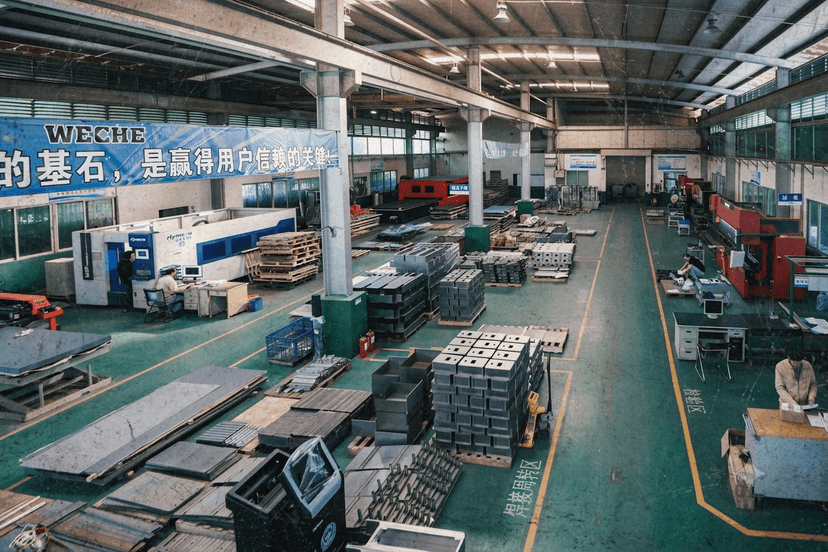
7 Sheet Metal Fabrication Techniques in Modern Manufacturing
2026-06-30Discover 7 core sheet metal fabrication techniques—from blanking and forming to joining and finishing—covering principles, uses, and cost efficiency for optimized manufacturing.
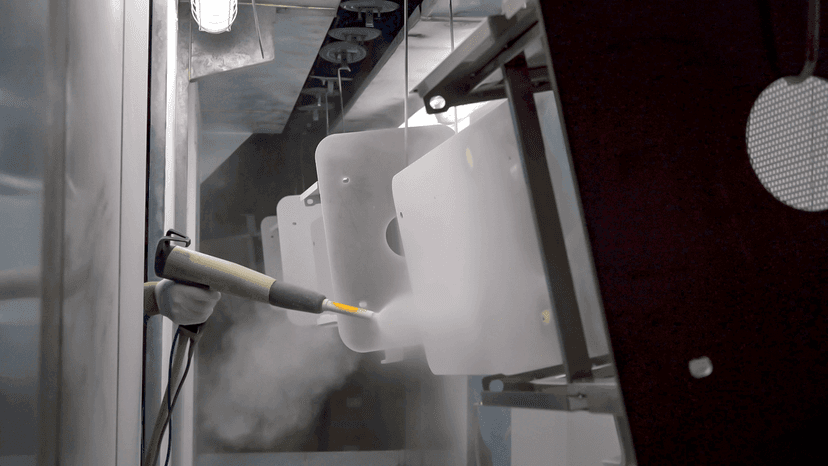
Guide to Sheet Metal Finishing Techniques: Applications, Pros & Cons
2026-07-17This guide explores common sheet metal finishing techniques, outlining their applications, advantages, and limitations to help you select the most suitable process for performance, durability, and appearance requirements.
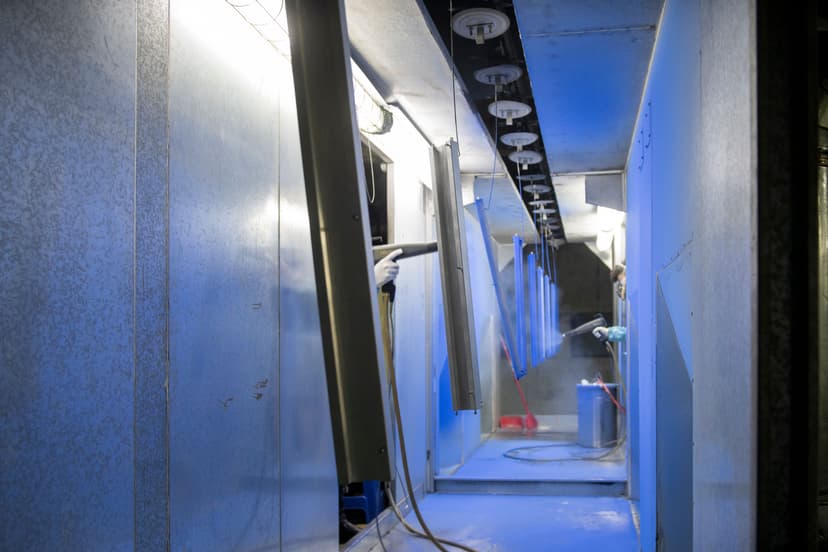
Why Surface Treatment Matters in Sheet Metal Fabrication
2026-07-07Surface treatment plays a key role in improving the durability, corrosion resistance, and appearance of sheet metal parts. It enhances performance, extends service life, and meets functional and aesthetic requirements across various industries.

Get in Touch With us
Helping customers grow steadily and achieve win-win development

Your trusted partner for CNC machining, sheet metal fabrication, stamping, and assembly. From prototyping to mass production with strict quality control.
tel:
0769-82763299
Mobile:
+86 18988716988
fax:
0769-82763199
Address:
No.3 Longze Road, Chang'an Town, Dongguan City, Guangdong Province, China,523861


Copyright © 2008-2026 | Dongguan Longwang Hardware Co., Ltd. | All Rights Reserved.