Why Is Powder Coating the Top Choice for Chassis and Cabinet Shells?
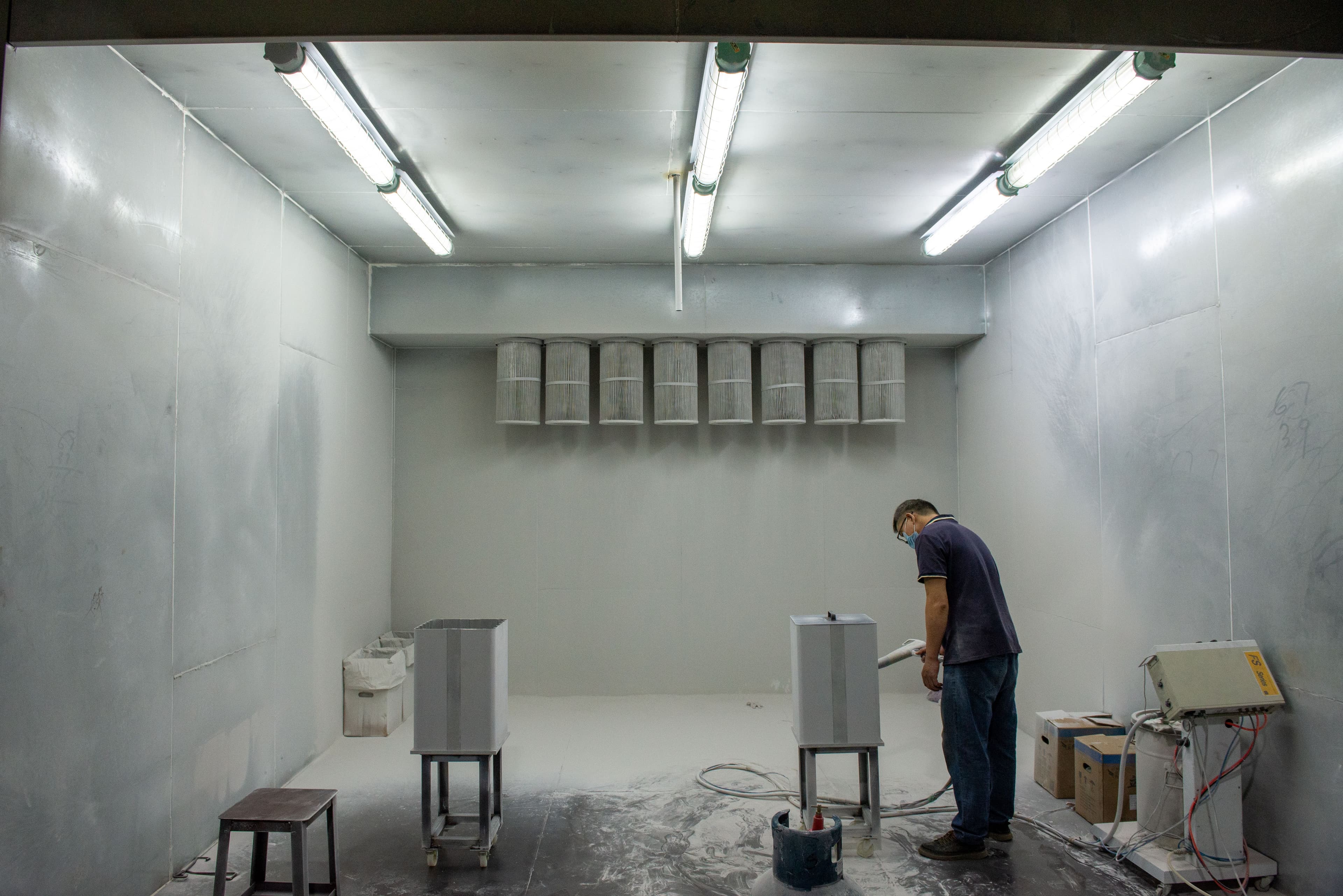
In modern equipment manufacturing, sheet metal chassis and cabinets serve as the "robust skeleton" that provides structural integrity and protects expensive internal components, while powder coating acts as a "high-tech suit of armor." Sheet metal fabrication involves precision cutting and bending to create sturdy enclosures, whereas powder coating fuses a durable protective layer onto the surface through high-temperature baking. Together, they not only conceal weld marks and deliver a premium, refined sand-textured finish, but also ensure exceptional durability—making the casing resistant to impacts and chipping, and preventing rust for decades even in harsh outdoor environments. Furthermore, as the process is completely non-toxic, odorless, and eco-friendly, it facilitates smooth international sales; truly, this combination is the "golden duo" that ensures equipment casings are both ruggedly durable and aesthetically sophisticated.
So next, I will conduct a detailed analysis from the perspectives of engineering technology and product usability, to clarify for you why powder coating is so crucial in the field of sheet metal manufacturing.
Corrosion is the absolute enemy of sheet metal, especially for outdoor 5G telecom enclosures, EV charging stations, and industrial kiosks. Powder coating provides a thick, continuous wrap-around film that seals the underlying metal—whether it is cold-rolled steel (SPCC) or aluminum. Because the powder is applied electrostatically, it naturally wraps around laser-cut edges and deburred corners, which are typical failure points for corrosion. When paired with a proper pre-treatment line, powder-coated chassis can easily pass 500 to 1,000+ hours of rigorous salt spray testing, ensuring decades of rust-free operation.
The core advantage of powder coating lies in its curing process. Unlike liquid paint that dries via solvent evaporation, powder coated enclosures undergo cross-linking during thermal baking (typically at 180°C to 200°C). This chemical reaction creates a high-density polymer network. For heavy-duty server racks, control cabinets, and medical equipment shells, this translates to exceptional scratch resistance and impact toughness. When a technician opens and closes a heavy cabinet door thousands of times, or when a chassis is bumped during shipping, a powder-coated finish flexes and resists chipping far better than traditional paint.
Industrial equipment must perform well, but B2B buyers also demand a premium look. Powder coating excels at "masking" minor material imperfections. In sheet metal processing, micro-scratches from press brake bending, subtle heat marks from spot welding, and grinding lines are inevitable. Utilizing a sand texture (fine texture) or wrinkle powder finish perfectly conceals these cosmetic flaws. Furthermore, powder coating eliminates the risk of runs, drips, or "orange peel" defects common with liquid spray guns, providing an incredibly uniform color consistency across high-volume production runs.
From a sourcing and supply chain perspective, powder coating is highly economical for mass production. In a standard liquid spray booth, up to 60% of the paint is wasted as overspray. In a professional powder coating line, the overspray powder is collected via a cyclone recovery system and recycled, boosting material utilization up to 95% or higher. Additionally, because powder-coated parts do not require flash-off times between coats and cure rapidly once heated, the manufacturing lead time is significantly shorter, driving down overall fabrication costs for large-scale chassis orders.
Navigating international environmental compliance is critical for modern OEMs exporting to Europe and North America. Dry powder coatings contain zero Volatile Organic Compounds (VOCs) and no hazardous air pollutants. There are no toxic solvents to dispose of, and the process complies perfectly with strict global environmental mandates such as RoHS (Restriction of Hazardous Substances) and REACH. Choosing powder coating simplifies your product’s regulatory certification path and aligns your supply chain with green manufacturing initiatives.
Surface treatment modifies a part's final dimensions, which smart engineers must account for during the DFM phase. Heavy powder coating can add anywhere from 50 to 150 microns of thickness. If a design features high-precision slip fits or threaded holes, these dimensions will change post-treatment. Fabricators must either mask the critical threads before coating or oversized the holes slightly during the initial laser-cutting phase. Ignoring these coating tolerances leads to costly re-tapping or assembly bottlenecks on the factory floor.
Navigating the global supply chain requires strict adherence to environmental and quality standards. Traditional hexavalent chromium conversion coatings, though effective at preventing rust, are banned in many markets due to toxicity. Modern, compliant factories utilize trivalent chromium or eco-friendly alternatives to satisfy strict RoHS and REACH directives for Western markets. Furthermore, validating these treatments through standardized Salt Spray Testing (ASTM B117) gives international buyers empirical proof that the parts can withstand 48, 96, or even 500 hours of corrosive exposure.
A world-class powder coating finish is only as good as its preparation. To prevent peeling, sheet metal parts must undergo a multi-stage pre-treatment process—including degreasing, pickling, and zirconium or iron phosphating—to chemically etch the metal surface for maximum adhesion. Furthermore, because powder coatings are thick (typically 60 to 120 microns), precision engineering requires strict masking strategies. Critical components like threaded holes (PEM nuts), grounding studs, and sliding rail interfaces must be shielded using high-temperature silicone plugs and polyimide tapes before entering the baking oven to guarantee strict assembly tolerances.
Ultimately, powder coating is the preferred choice for sheet metal chassis and cabinet equipment shells because it bridges the gap between rugged industrial utility and high-end aesthetic appeal. However, achieving these results requires a fabrication partner who understands the harmony between sheet metal design, bend deductions, and coating thickness. When outsourcing your next enclosure project, look for a manufacturer with an integrated, automated powder coating line and strict quality control protocols—such as cross-hatch adhesion testing and digital coating thickness gauges—to ensure your product stands the test of time.
With 20 years of deep-rooted expertise in sheet metal fabrication, we fully understand how every step of the process impacts the final product quality. Longwang utilize advanced precision laser cutting and CNC bending equipment, alongside high-performance, automated powder coating lines that strictly adhere to international environmental standards. From precision structural customization and high-quality, weather-resistant surface finishes to meticulous masking and protection during assembly, we provide cost-effective, one-stop industrial enclosure solutions. Our products ensure your equipment excels in both performance and aesthetics, whether deployed in harsh outdoor environments or high-end commercial settings. If you have requirements for custom enclosures or cabinets, please feel free to contact us and submit your drawings; we look forward to partnering with you to create industry-leading products.
Next
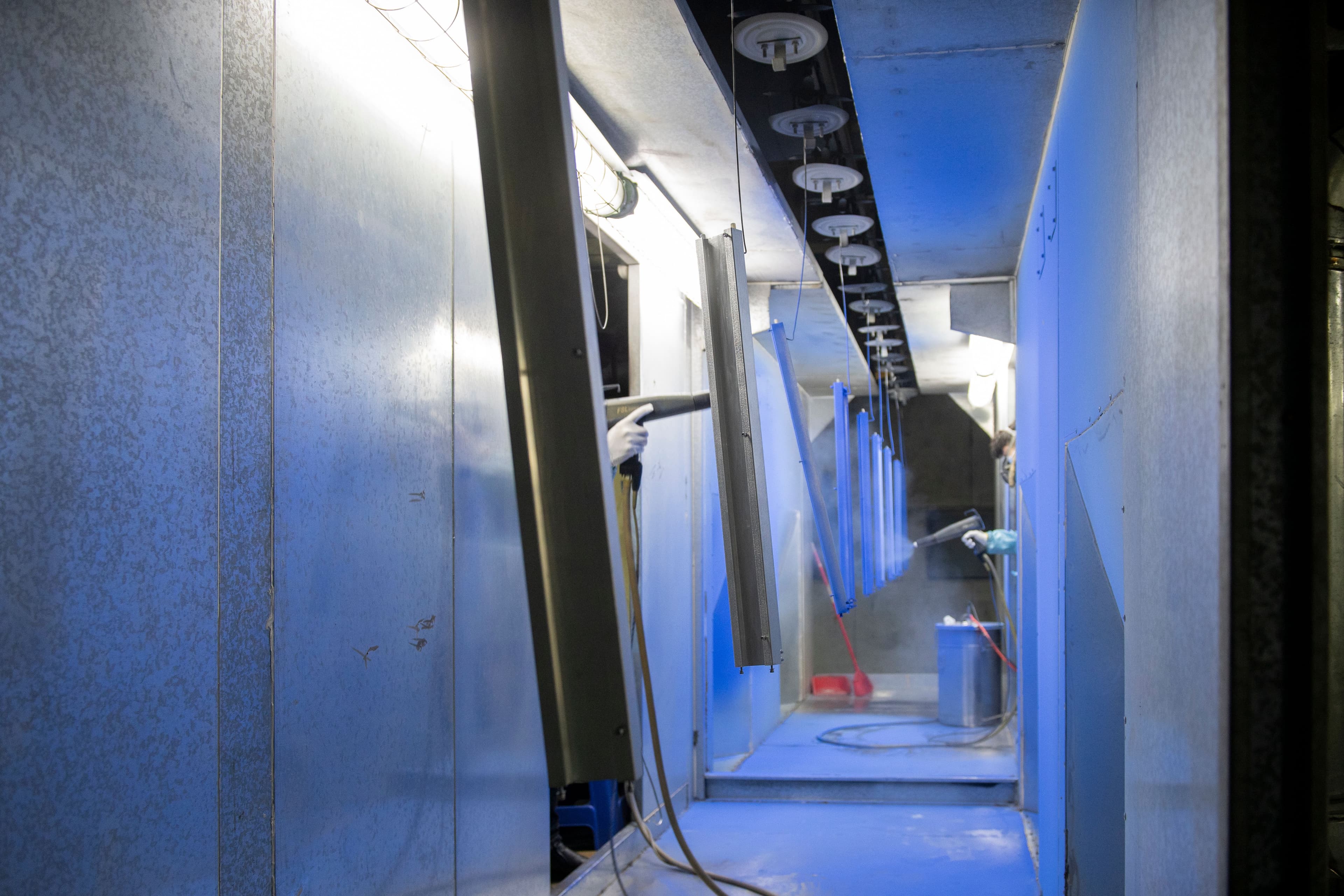
Why Surface Treatment Matters in Sheet Metal Fabrication
2026-07-07Surface treatment plays a key role in improving the durability, corrosion resistance, and appearance of sheet metal parts. It enhances performance, extends service life, and meets functional and aesthetic requirements across various industries.
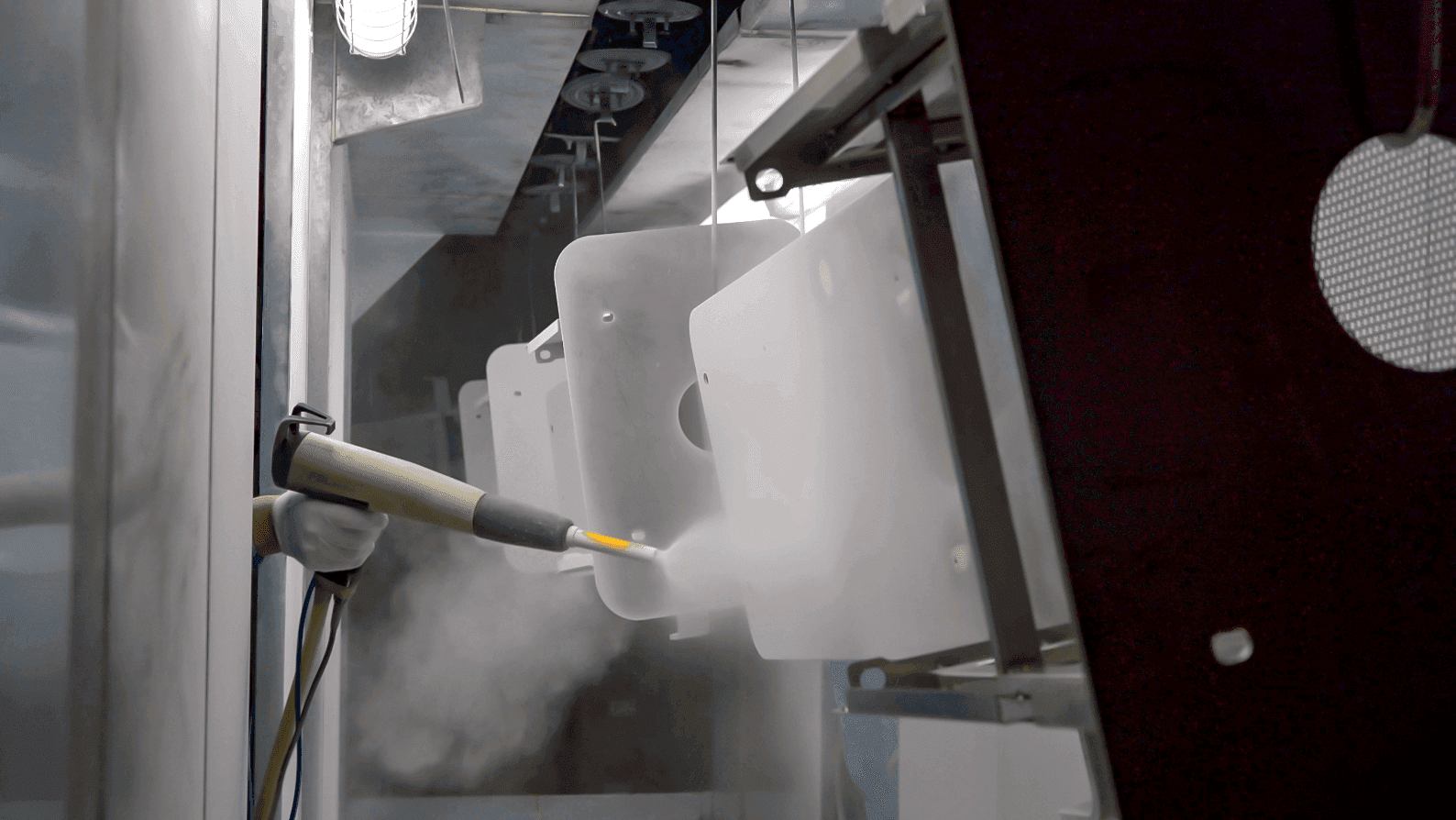
Guide to Sheet Metal Finishing Techniques: Applications, Pros & Cons
2026-07-17This guide explores common sheet metal finishing techniques, outlining their applications, advantages, and limitations to help you select the most suitable process for performance, durability, and appearance requirements.

Get in Touch With us
Helping customers grow steadily and achieve win-win development

Your trusted partner for CNC machining, sheet metal fabrication, stamping, and assembly. From prototyping to mass production with strict quality control.
tel:
0769-82763299
Mobile:
+86 18988716988
fax:
0769-82763199
Address:
No.3 Longze Road, Chang'an Town, Dongguan City, Guangdong Province, China,523861


Copyright © 2008-2026 | Dongguan Longwang Hardware Co., Ltd. | All Rights Reserved.


